• So many people want to live in the 7% Tax Towns. Here is one of the best resources I’ve found so far. This is not an affiliated plug or anything like that. I just think this is a FANTASTIC RESOURCE! There are also ten 7% Towns at the bottom of this post.

    This entire insight is from Magic Towns Italy. They have compiled a list of over 2,000 towns which are part of the 7% tax program. You can get this by signing up for their resources. It’s €13 a month for €149 for a year. You can get a 20% discount using this code: anyexpat20 on MAGIC TOWNS ITALY.

    You can also get The Complete 7% Towns Guide for a one-time payment of €19. You’ll get tips for choosing wisely (and avoiding the hype,) a full, searchable list of all 2,000+ eligible towns. a refresher on how the tax break works and sample towns with data on property prices, quality of life & more

    They also have 12 pages of Guides with topics like “What People Say About Living in … ” as well as “7% Tax Towns in Calabria/Puglia Near the Sea,” and topics such as renovation tax breaks, how to handle driving tickets in Italy as a foreigner, a hospital ‘report card,’ etc. MAGIC TOWNS ITALY GUIDES.

    What and where?

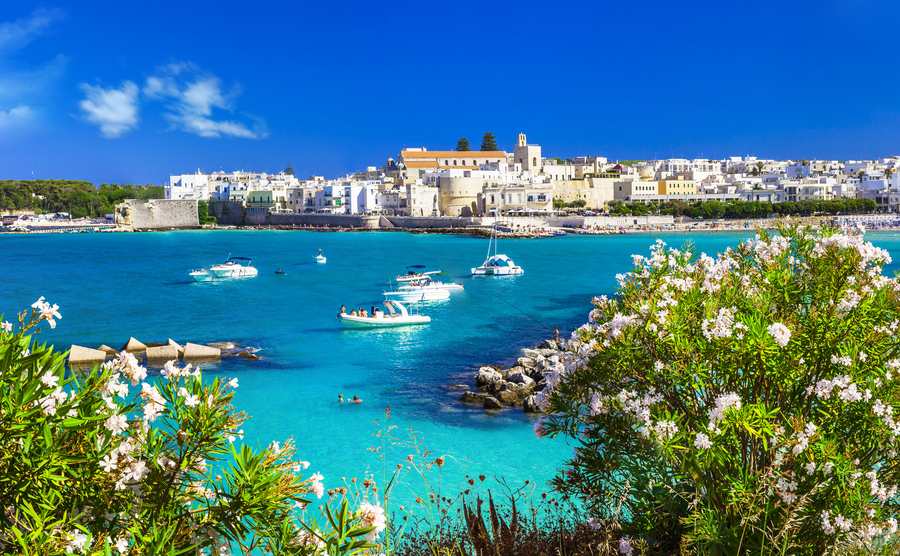
    In select small towns, mostly in Southern Italy, new resident pensioners can opt to pay a flat 7% tax on all non-Italian income – instead of Italy’s regular tax rates, which climb as high as 43%. The benefit lasts for up to ten years and even exempts you from wealth taxes on assets outside Italy. It’s a generous deal designed to bring new life to towns that need it.

    There’s no glossy government list of “7% Towns” to browse, and even many Italians don’t know it exists. Originally, the law applied to any municipality with fewer than 20,000 residents in eight southern regions (Abruzzo, Basilicata, Calabria, Campania, Molise, Puglia, Sardinia, Sicily). It was later expanded to include a handful of small, earthquake-affected towns in Lazio, Marche and Umbria.

    Who qualifies?

    It’s mainly aimed at foreign retirees with overseas pensions – whether you’re a non-Italian national or an Italian citizen returning from abroad.

    To qualify, you’ll need to:

    ~~ Be new to Italy – You must not have been a tax resident in Italy for any of the past 5 years. (Italian citizens can still qualify if they were registered with AIRE abroad.)

    ~~ Receive a pension from abroad – This includes state or private pensions. Even U.S. 401(k)/IRA distributions count. If you also earn other foreign income, that’s fine – as long as you receive a pension.

    ~~ Move to a qualifying town – You’ll need to register as resident in a municipality with 20,000 people or fewer in the eligible regions. We’ve compiled the full list for Magic Towns subscribers.

    If you meet all these conditions, you can opt into the 7% regime in your first Italian tax return – and enjoy flat-rate foreign income tax for up to ten years.
    Can I still work if I reside in Italy in a 7% tax town?

    Yes – with a caveat.

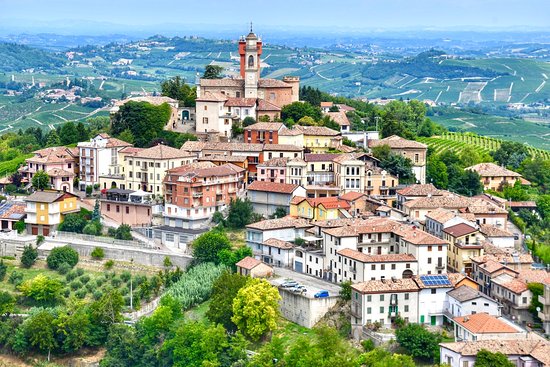
    The 7% regime applies only to foreign-sourced income. So if you’re working remotely for a non-Italian company or earning freelance income from abroad, you’re likely fine. That income would be eligible for the 7% flat tax – provided you also receive a foreign pension and meet the other conditions we covered in Part 1.

    However, Italian-sourced income is taxed separately under Italy’s normal tax rules. If you take on Italian clients, start a business in Italy, or earn wages from an Italian employer, that income doesn’t benefit from the 7% regime and may be taxed at standard rates.

    So: can you work? Yes, particularly if it’s non-Italian income. But the regime isn’t meant for full-time working nomads.

    Can I move between towns?

    Yes – as long as both towns qualify.

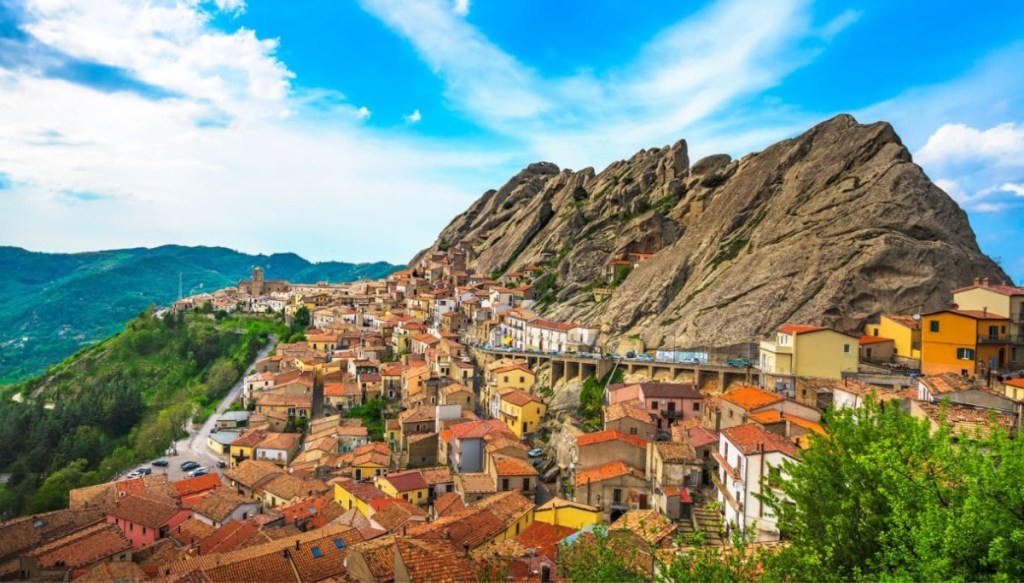
    Let’s say you start your 10-year period in a village in Calabria (say, Scalea), then decide after two years that you’d prefer Puglia’s wine country. That’s fine – so long as the new town is also on the 7% list.

    Move to a non-qualifying town, however – say, one over 20,000 people or outside the permitted regions – and your eligibility ends (for instance, you can’t move to Gioia del Colle without losing your tax break!)

    You can move within the network of qualifying towns. Just stay within the lines. And what does “move” mean? Practically, registering as a resident in the new town.

    Some “flexibly-minded” readers might be thinking: can I just say I live in a 7% Town, and actually spend all my time in Milan? Big no-no. While you can absolutely travel within Italy (and abroad), the 7% town is meant to be where you reside most of the time. Will you be “caught”? It’s a risk you don’t want to run and, besides, there are excellent tax breaks in other areas too.

    Will I really be allowed to stay 10 years?

    Yes – if you apply for the right visa or permit.

    The tax break is great, but it’s not automatic. You still need legal residency in Italy to benefit. In other words, while living in these towns gives you a tax break, you still need a legal way to reside in Italy.

    If you’re not a citizen of the EU/EEA or Switzerland, that usually means applying for a long-stay visa (and then a residency permit) based on your circumstances.

    The most common route for retirees is the Elective Residency Visa – essentially for people with passive income who don’t plan to work in Italy. But there are other options too.

    What income is taxed at 7%? 

    In a nutshell, anything earned or received abroad is potentially covered. For example:

    • Foreign pensions: All kinds of pensions (state or private, public or private) from outside Italy. UK State Pension, U.S. Social Security or IRA, Canadian CPP, etc., would be taxed at 7% in Italy if you move here as a retiree.
    • Foreign wages or business income: If you do some contract work or run a small business based in another country, those earnings are also “foreign income” and could fall under the 7% rate. (The official rule actually says any category of income produced abroad)
    • Foreign investment income: This includes rental income on properties overseas, dividends, interest, royalties and so on. (You can even apply 7% to overseas rent or dividends)
    • Other overseas earnings: For example, self‑employment income from clients abroad, pensions from UN or NATO, etc. – these all count as foreign‑sourced.

    In short, if the money comes from outside Italy, it’s taxed at 7% instead of Italy’s normal rates. Note that because this is a flat substitute tax, you cannot also take personal deductions or tax credits on that income. It’s simply 7% of the gross amount.

    What about Italian‑source income?

    The 7% towns rule only covers foreign income. If you also earn money in Italy, that Italian income is handled the normal way. For example, wages from an Italian employer, rent on a house in Italy, or interest from an Italian bank account would not be taxed at 7%. Instead, you report that income on your return and pay Italy’s usual tax on it (progressive IRPEF or any special flat rate that applies, such as the 5–15% regime forfettario for small businesses). Crucially, having some Italian‑source income does not stop you joining the 7% regime – it just means you handle your Italian income separately. (Think of it as two buckets: foreign earnings in the 7% bucket, and Italian earnings in the normal bucket)

    Can I combine the 7% scheme with other breaks?

    Generally no – it’s an “all or nothing” alternative tax regime for your foreign income. You can’t stack it on top of other special deals. For example, Italy has a new €200k flat‑tax for HNWIs (high net-worth individuals), or the simplified forfettario tax rate for Italian freelancers. Those regimes are separate paths.

    We have a full guide debunking the myth of Italy’s 43% tax rate, if you’d like to investigate alternative tax schemes (that don’t force you to live in small towns in the South).

    Limits and obligations

    There are a few key rules to remember:

    • Duration: The 7% rate applies for up to 10 years starting with your first full tax year in Italy. After that, you simply go back to regular Italian taxes on all income.
    • Opt‑in timing: You must elect the 7% regime by filing your Italian tax return for the first year you’re resident. (In Italy there’s no split‑year: once you qualify as a resident, that whole year counts.) In practice, if you move late in a year, you’d likely file for the 7% the next spring along with your first return. Miss the window (or miss the payment deadline) and you lose the chance to get it at all.
    • Tax filings: You still file annual Italian tax returns. Under the 7% plan, you pay the 7% on your foreign income by the standard deadlines. If you skip a payment or miss a deadline, you can lose the regime.
    • No RW/IVIE/IVAFE: One nice simplification is that you’re exempt from foreign-asset reporting. Normally Italian residents must declare overseas bank accounts, properties, etc. (the RW form) and pay taxes on foreign assets (IVIE/IVAFE). Under the 7% regime you skip that for the covered incomes. You don’t have to list foreign assets that produce the 7%-taxed income. That said, as we wrote a thousand times, the infamous Italian “wealth taxes” don’t amount to much even for normal tax residents.
    • Opt‑out: You can abandon the scheme at any time (by declaring normal tax instead) without penalty, but that ends the benefit going forward. Likewise, if any eligibility condition ceases (e.g. you give up your Italian residency, or stop meeting the 5‑year rule), the flat tax ends and you fall back to regular taxation.

    Examples: Imagine John, a retired teacher from the UK, is living on a UK state pension and a private pension, and he decides to move to a small village in Puglia. If he meets the 5‑year non‑resident rule and registers in one of the approved towns, all his UK pensions (and even any rental income he earns back in England) would be taxed only 7% in Italy – potentially saving thousands each year. In contrast, take Linda, a 40‑year‑old American working remotely for a tech firm without any pension. Since she has no foreign pension income, she wouldn’t qualify for the 7% retiree scheme. She’d pay normal Italian tax on her US earnings (or consider other options like the digital nomad visa or the impatriati regime).

    This 7% villages regime isn’t a magic carpet to tax heaven – there are traps. But for eligible retirees it’s a very attractive deal.

    GET ALL 2,000+ TOWNS HERE (Use Code ANYEXPAT20 for 20% Off)

    Big and Small, Beach and Mountain: 10 Real Examples of 7% Towns

    Piano di Sorrento (Campania)

    Quality of Life: 76 | Infrastructure: 59 | Economy: 70

    image

    Often overshadowed by its glossier neighbour, Piano di Sorrento offers many of the same coastal charms as Sorrento—historic villas, sea views, access to Capri ferries—but without the inflated price tag. Property here can cost 30–40% less than in central Sorrento, making it a smart choice for expats seeking a quieter base with access to the same scenery.

    The town is more residential in feel, with a compact marina, local festivals, and a pace that suits long-term living. It lacks some of the nightlife and bustle, but has solid public transport links and access to the same healthcare network. Think of it as Sorrento’s calm, less-touristy cousin, ideal for those who want Amalfi charm without the crowds.

    San Vito dei Normanni (Puglia)

    Quality of Life: 79 | Infrastructure: 56 | Economy: 63

    image

    San Vito dei Normanni strikes a compelling balance: traditional Apulian town life, with just enough connectivity to make it viable for long stays. It’s a short hop from Brindisi airport and only 13 km from the Adriatic coast – not a beach town, but close enough to dip in and out. With a real population [note: “real population” is a Magic Towns Italy metric which reflects the actual population in a nearby range rather than the official statistics] of nearly 42,000 in the area and a walkability score that earns it “Very Walkable” status, it offers both community and convenience.

    You’ll find a mild climate, decent internet (67/18 Mbps), and good air quality – all solid wins for retirees or remote workers. The town centre has a historic charm, and the local economy leans heavily on agriculture, especially wine and olive oil. While infrastructure could be better – healthcare and transport aren’t at northern Italian levels – it’s a place where people tend to settle, not transit through. That speaks volumes. San Vito isn’t a hidden gem in the sense of being undiscovered – plenty of expats already live here – but it still offers authenticity at a reasonable cost, and without the crush of summer tourists found further up the coast.

    Città Sant’Angelo (Abruzzo)

    Quality of Life: 78 | Infrastructure: 66 | Economy: 67

    image

    Often named among Italy’s most liveable towns, Città Sant’Angelo pairs medieval charm with the practical perks of the Adriatic coast just minutes away. The walkable old town has winding alleys, sweeping sea views, and a real sense of civic pride. With a decent infrastructure score and a solid economy relative to its peers, it’s one of those places that feels both rooted and ready. You’ll find a strong local community, decent internet, and a rhythm of life that suits people looking for stability rather than flash.

    For all its appeal, some compromises exist. You won’t get Milan-grade hospitals or Florence’s dining scene. But the climate is lovely, the air is clean, and Rome is only a couple of hours away if you crave a city fix. It’s a well-balanced option for those who want Italy without the drama – big enough to offer variety, small enough to be manageable, and still very much under the radar of mass tourism.

    Cefalù (Sicilia)

    Quality of Life: 59 | Infrastructure: 62 | Economy: 67

    image

    Cefalù is the kind of town that sells itself in one glance: shimmering sea, medieval lanes, and a Norman cathedral that earns UNESCO honours. Its coastal setting and historic centre make it a darling of northern Europeans seeking a Sicilian retirement with a view. The infrastructure score is decent, and the economy – thanks in part to tourism – holds up better than in many small southern towns. If you’re after a postcard lifestyle with good food, sea air, and walkable charm, it’s easy to fall for.

    That said, the lower quality of life score reflects some hard truths. Healthcare isn’t top-tier, and internet speeds can frustrate remote workers. During peak tourist season, the town can feel overrun; in the off-season, quieter than expected. Still, for many, those trade-offs are worth it. Cefalù offers an iconic lifestyle in one of Italy’s most storied corners – as long as you’re not expecting urban comfort wrapped in rural beauty.

    Bronte (Sicilia)

    Quality of Life: 81 | Infrastructure: 67 | Economy: 55

    image

    Bronte is a hidden gem perched on the western slopes of Mount Etna, world-famous for its pistachios and deeply rooted Sicilian traditions. With a high quality of life score and solid infrastructure, it appeals to those craving a quieter pace of life without sacrificing the essentials. The landscape is dramatic, the town vibrant with festas and community spirit, and the proximity to Etna makes it a strong candidate for nature lovers and walkers. Air quality is high, and life here tends to follow the rhythms of the land.

    The economy score, however, points to limited job prospects, and the town’s inland location means beaches are a long drive away. Safety and petty crime are occasionally flagged in local reports, and while healthcare access is present, it may not be ideal for complex needs. Still, Bronte’s authentic atmosphere, relatively affordable housing, and strong cultural identity make it a compelling choice for retirees seeking something off the beaten path – with real pistachios, not tourist prices.

    Penne (Abruzzo)

    Quality of Life: 76 | Infrastructure: 58 | Economy: 68

    image

    Set atop the rolling hills of Abruzzo, Penne is a storied town where history, culture, and natural beauty intertwine. Its medieval centre and timeless vistas give it enduring charm, while festivals, art spaces like the MAMEC, and a rich culinary tradition make everyday life engaging. The air is clean, the local produce abundant, and the cost of living refreshingly low. With good healthcare access and a relatively strong economic profile for a small town, it’s an appealing base for retirees or semi-retired expats looking for depth and tranquillity.

    Infrastructure, however, is a bit of a mixed bag. Internet speeds won’t dazzle, public transport can be erratic, and earthquake-related property quirks may require patience. But those with a taste for cobbled streets and a slower pace will find Penne a rewarding, rooted place to call home – particularly for those eager to explore both mountains and the nearby Adriatic coast.

    Melfi (Basilicata)

    Quality of Life: 75 | Infrastructure: 57 | Economy: 71

    image

    Melfi is a quiet gem tucked into the northern reaches of Basilicata, with deep historical roots and a calm, unhurried rhythm of life. It boasts impressive medieval architecture, including its famous castle, and sits amid fertile volcanic soil that fuels the town’s agricultural economy. The result is a self-sustaining atmosphere with local produce at its core – and a community not overrun by tourists. It also scores well on economic metrics for southern Italy, with a decent quality of life and strong air quality.

    Infrastructure is still catching up. Public transport is patchy, and while internet and healthcare are available, neither will wow digital nomads or those with complex medical needs. Still, for a retiree with a taste for real Italy and low-cost living, Melfi offers authenticity, space, and time – all in a setting that rewards curiosity and patience.

    Pineto (Abruzzo)

    Quality of Life: 74 | Infrastructure: 66 | Economy: 67

    image

    Pineto is the kind of Italian seaside town that feels like it was designed for long walks and slow mornings. Its name derives from the rows of pine trees that shade its promenade, and between those trees and the long sandy beach, it’s easy to see why many retirees and laid-back expats are drawn here. With strong infrastructure and a respectable economic score, it’s one of the more “balanced” 7% towns on the coast.

    It’s not without trade-offs: healthcare is limited, and cultural life may feel a little thin outside the summer season. But if your dream is seafood, sun, and scenery – plus a 7% flat tax on your pension – Pineto might be worth a closer look.

    Alberobello (Puglia)

    Quality of Life: 70 | Infrastructure: 43 | Economy: 61

    image

    Alberobello is unlike anywhere else in Italy, thanks to its iconic trulli—fairytale-like stone dwellings with conical roofs. This UNESCO World Heritage town offers a slow, deeply traditional lifestyle in the heart of Puglia, with festivals, fresh produce markets, and local crafts maintaining a strong regional identity. Its manageable size and walkability appeal to those seeking a quiet retirement spot.

    If you’re dreaming of living among history and are content with simplicity, Alberobello’s charm may outweigh its practical shortcomings—especially under Italy’s favourable 7% tax regime for new residents.

    Scalea (Calabria)

    Quality of Life: 59 | Infrastructure: 56 | Economy: 63

    image

    Scalea offers a sun-drenched escape on Calabria’s Tyrrhenian coast, blending medieval charm with seaside appeal. Its sandy beaches, historic hilltop ruins, and established expat community make it one of southern Italy’s more accessible relocation spots. The cost of living is low, the vibe is relaxed, and there’s just enough tourism to support local businesses without overwhelming the town.

    On the flip side, the public services reflect Calabria’s broader challenges—healthcare can be patchy, public transport limited, and job prospects scarce. Still, for retirees or remote workers comfortable with a slower pace and basic infrastructure, Scalea provides a picturesque, affordable base in one of Italy’s most overlooked coastal zones.
    GET ALL 2,000+ TOWNS HERE (Use Code ANYEXPAT20 for 20% Off)

  • Even if you’re a long way off from actually buying, there is a lot you can do to start getting ready for when you’re ready. Once you find the right home and start the buying process, things can seem like a bit of a whirlwind – and also a pretty big learning curve. So, the more of these things you have accomplished or in place, the easier things are going to be. I promise.

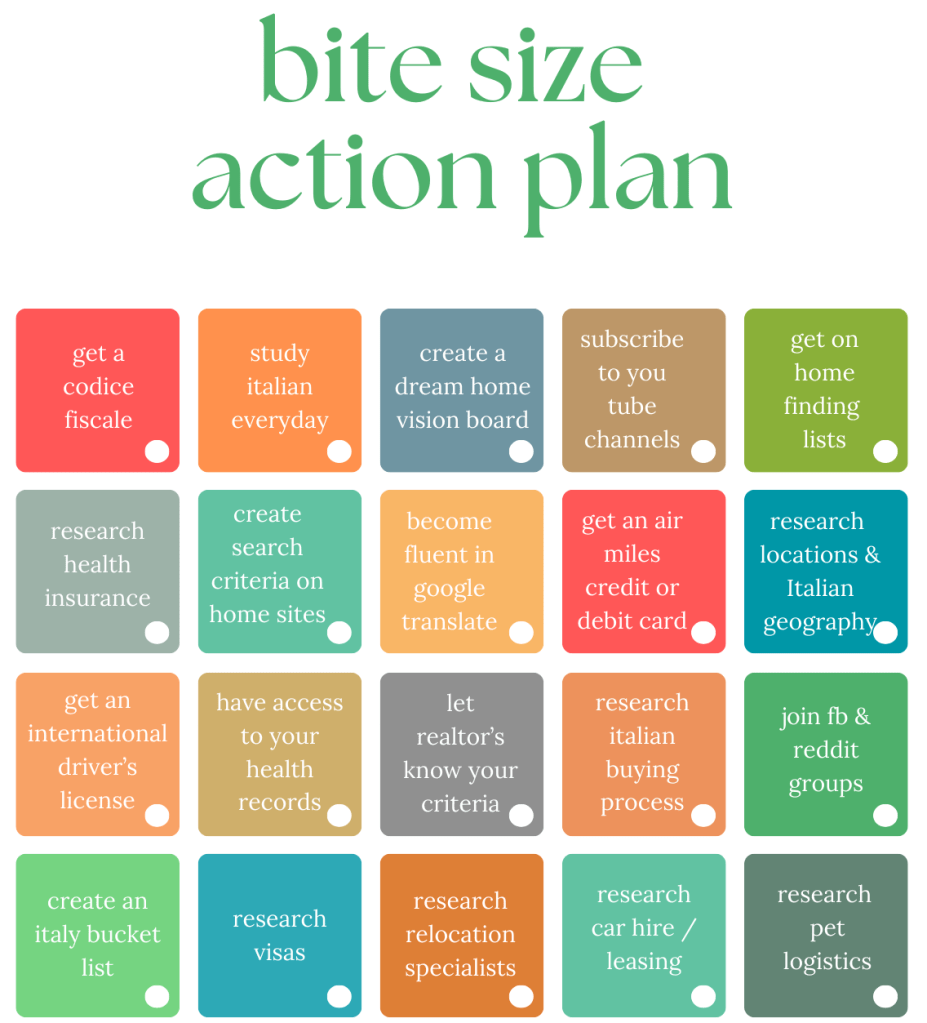
    Most of it is pretty self-explanatory but here are some more details:

    Become Fluent in Google Translate: We don’t speak Italian and bought our house sight-unseen while not in Italy, so we used Google Translate for ALL communications except the final document signing at the notary’s office in Cagliari where we were required by Italian law to have a translator present. This can be a real asset, especially when making initial contact with realtors. If possible, you should be sending inquiries in Italian.

    Get an Air Miles Credit or Debit Card: It always amazes me that people who travel internationally don’t have one of these (but I’m not judgy!) There are also some well-known miles experts online who take this to the extreme (which can be pretty mind-boggling and off-putting!) But for an average much like me, they have been amazing! For about $99 a year I get one or two free checked bags and miles for everything I purchase.

    These can really rack up, especially with bigger purchases such as flights, hotels, rental cars and of course, miles flown. I use one Hawaiian Airlines (now linked to Alaskan/One World) and one American Airlines (also One World) cards and in 2025/26 used/will use 30-42k each air miles on four one-way flights from Athens to Seattle, Seattle to Rome, Rome to Austin and Honolulu to Rome. The Athens flight was even upgraded to Premium, which was pretty sweet. You still have to pay taxes/fees, but all of these flights cost me less than $50 each. One bit of advice is to avoid London if possible – the taxes for flying through there are extortionate!

    Create a Dream Home Vision Board: I didn’t do this for Italy, but I have done it in the past, and it really works!

    Create an Italy Bucket List: All the planning and prep for buying a place in Italy can be a bit much, so maybe stop and take some time to create a bucket list of what you actually want to do and see once it finally happens. I’m still working on mine and have about a million screenshots on my phone of places I want to go!

    Get an International Driver’s License: If you plan to drive or rent a car in Italy you may or may not need this but it’s handy to have just in case! I have seen tourists at the airport get turned away from rental car counters for not having one.

    Have Access to Your Health Records: Especially if you have any known medical conditions! The last thing you want to have to do while in discomfort or during an emergency is to try to figure this out -especially with a doctor’s office halfway around the world on a different time zone.

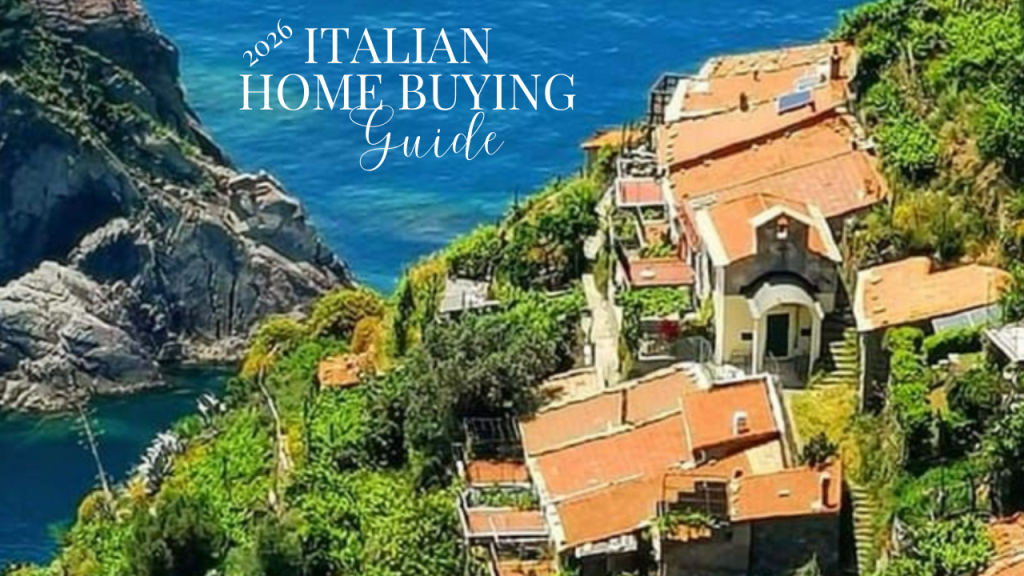
    There will also be a new 2026 Italian Home Buying Guide coming out very soon with LOTS of UPDATED & IMPORTANT INFORMATION.

  • There are literally thousands of free or very cheap Italian language learning tools online. These are some of my favorites. There are also endless tips on how to learn but here are some things that seem to be working for me (even though I still have a looooooong way to go … more about that at the end.)
    • Finding five or six platforms/channels I really like and sticking with them instead of jumping all over the place or looking for more/better ones (i.e. procrastinating.)
    • Not procrastinating! I really wish I would have gotten serious and consistent five or twenty-five years ago!
    • Being consistent and committing to studying 20-60 minutes EVERY SINGLE DAY.
    • Keeping a streak going on Duolingo. Wish I would have done this years ago.
    • Finding a quiet place to practice speaking without inhibitions. This really helps get my mouth ‘adjusted’ to saying things in Italian and to become braver about speaking in real life.
    • Having fun with it – I’m going to make lots and lots of mistakes but I’m getting old and I don’t care. I may always think “undici” means one in the afternoon and that will always make me laugh.
    • Knowing that I am making progress. At first it felt so mind-boggling (like the reflexive verbs!) but slowly and with lots of repetition it starts to click and stick.
    • Giving the cartoon-y and AI-generated videos a try because they are actually very useful.
    • Only watching and listening to “full immersion” videos and audio that don’t jump back and forth between Italian and English or try to explain everything.
    • Listening to sleep stories or conversations while I fall asleep. I love these!

    Italian Language Learning Resources:

    Duolingo – What I like about this website/app is that you gradually learn grammar without even knowing it – and you definitely DO make progress if you’re consistent and use it every day. FREE but I use the paid version.

    TalkPal – My first forage into AI learning and so far, I love it! FREE but I upgraded to the paid version.

    Online Italian Club – This is a fantastic COMPLETELY FREE resource. It lets you test your Italian level and there are sections on listening, grammar, dialogues, verbs and vocabulary – all great! There’s also a newsletter, but I didn’t find that very useful. Here is the link for the full website:

    Quizlet – You can download or create your own flashcards and quizzes on the website or app. This is really fun and COMPLETELY FREE. This was a great stress distraction when we were buying our house and waiting for things to move forward.

    Free Italian Proficiency/Level Tests:

    YouTube Channels (in no particular order:)

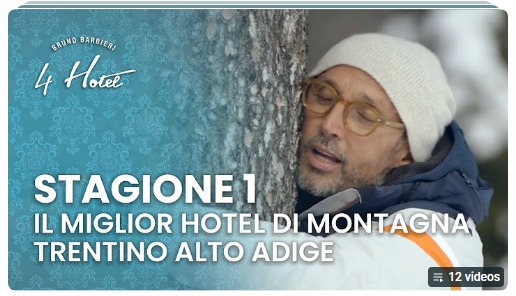
    The last two are a little weird. I absolutely LOVE the TV show “4 Hotel” and can’t get enough of Bruno Barbieri saying, “Allora, albergatori.” I have found the more I listen – even if I don’t understand much – the less Italian sounds like complete gobeldy-gook.

    I’ve also watched a few episodes of QVC Italia and some movies and TV shows in Italian but really need to get a VPN to be able to watch more.

    ~~~~~ // ~~~~~

    I tested on Jan 24th, 2026, as “low intermediate” on Online Italian Club apparently. My listening/comprehension is pretty good, but when I go to open my mouth, seriously, one time I could not even remember “sto bene” when someone in the shop asked me “como stai?”  

    So, my ONLY regret about buying a place in Italy is not taking learning Italian much more seriously – and being disciplined and committed and consistent – like, thirty years ago! Or at least five.  

    If you’re in the same boat or stuck in a rut with the same materials or feeling unmotivated, I really hope some of these resources help. Below is some of my progress with links.

  • How to Make Renderings for Free

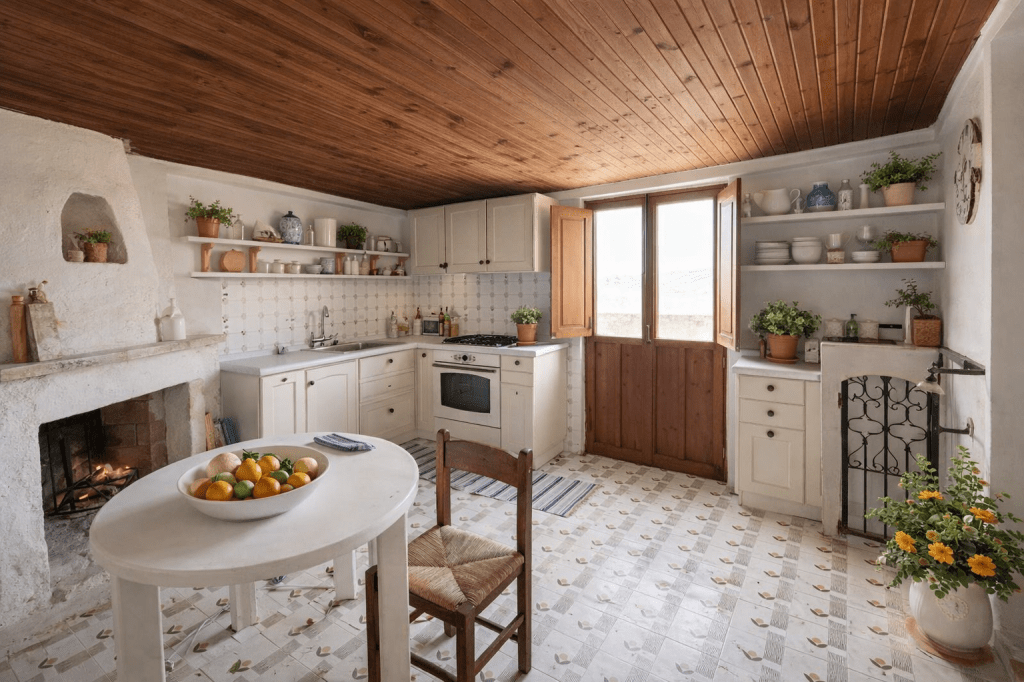
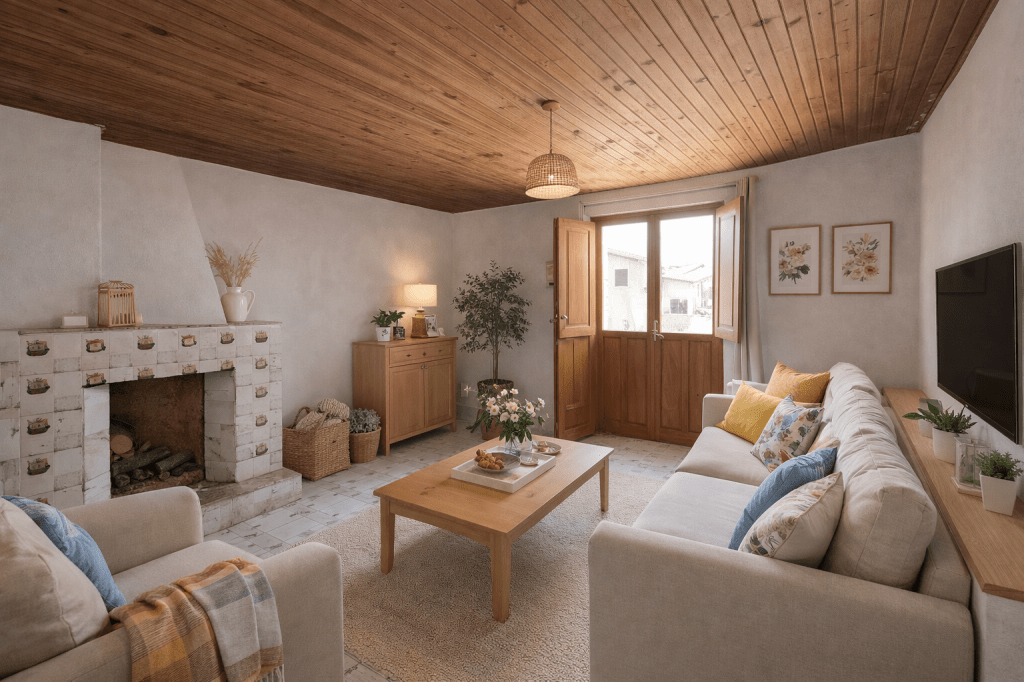
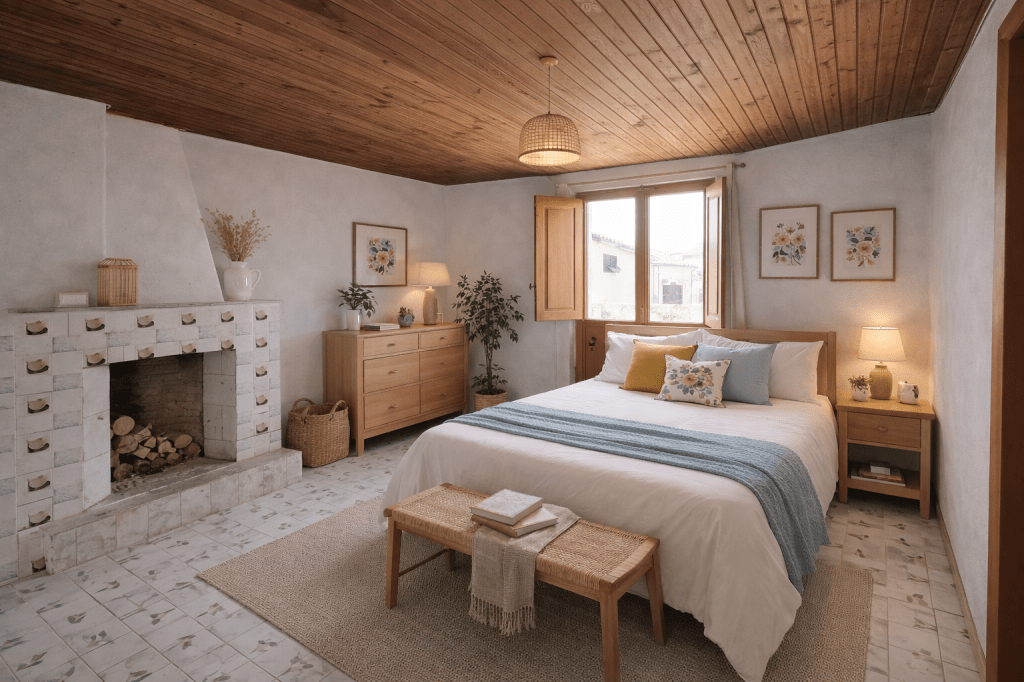
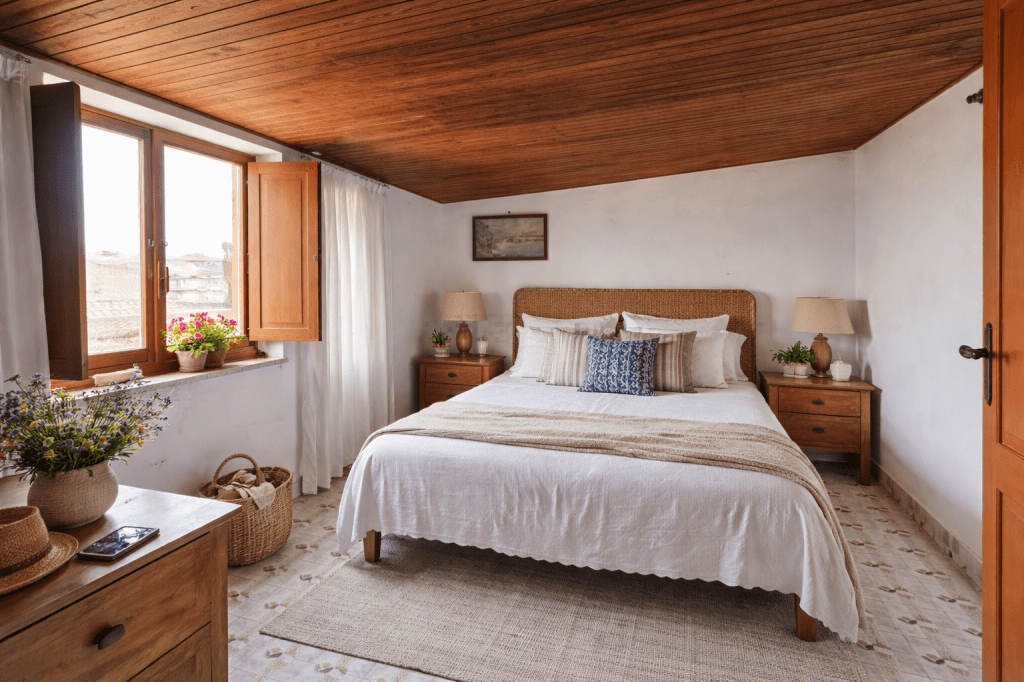
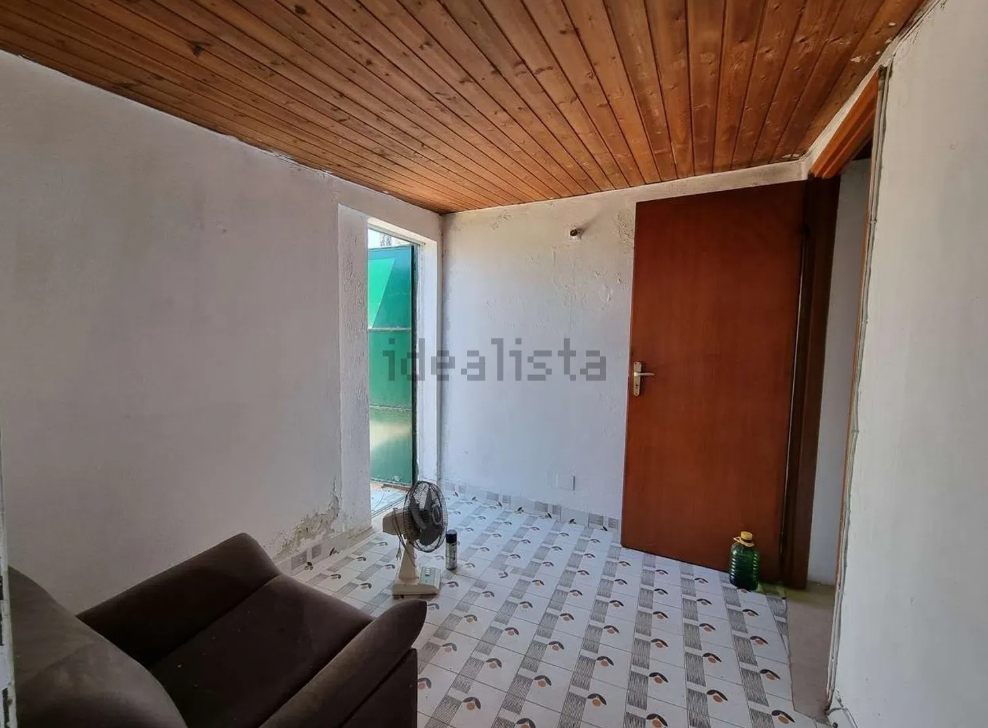
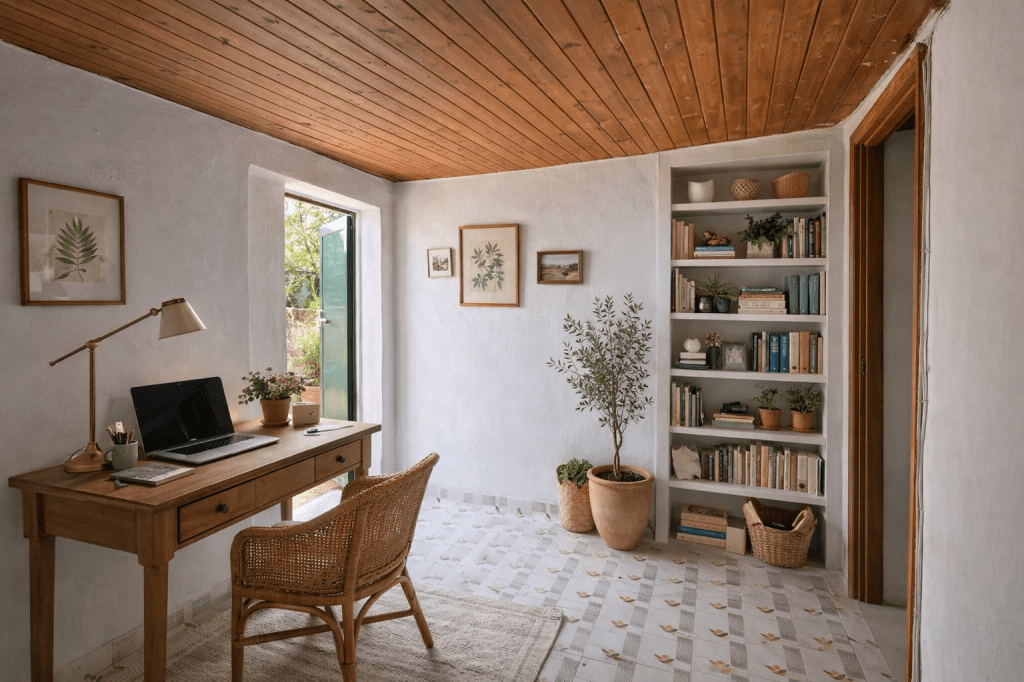
    This is a very quick, easy and cheap way to visualize what your dream home could look like, see what could be done with an otherwise plain or outdated space and/or get decorating and re-styling ideas.

    I just recently learned how to CREATE FREE AI RENDERINGS of properties that might need some “vision and love” and, even though I’m nowhere near buying another house right now, I’m addicted!

    If you’ve already been doing this for ages – I guess I’m late to the party. But if you’ve never tried this before IT’S A GAME CHANGER! And if you despise AI and think it’s the ruination of humanity, well, I don’t completely disagree, but we don’t really have time to go into that here and for this purpose it’s pretty amazing.

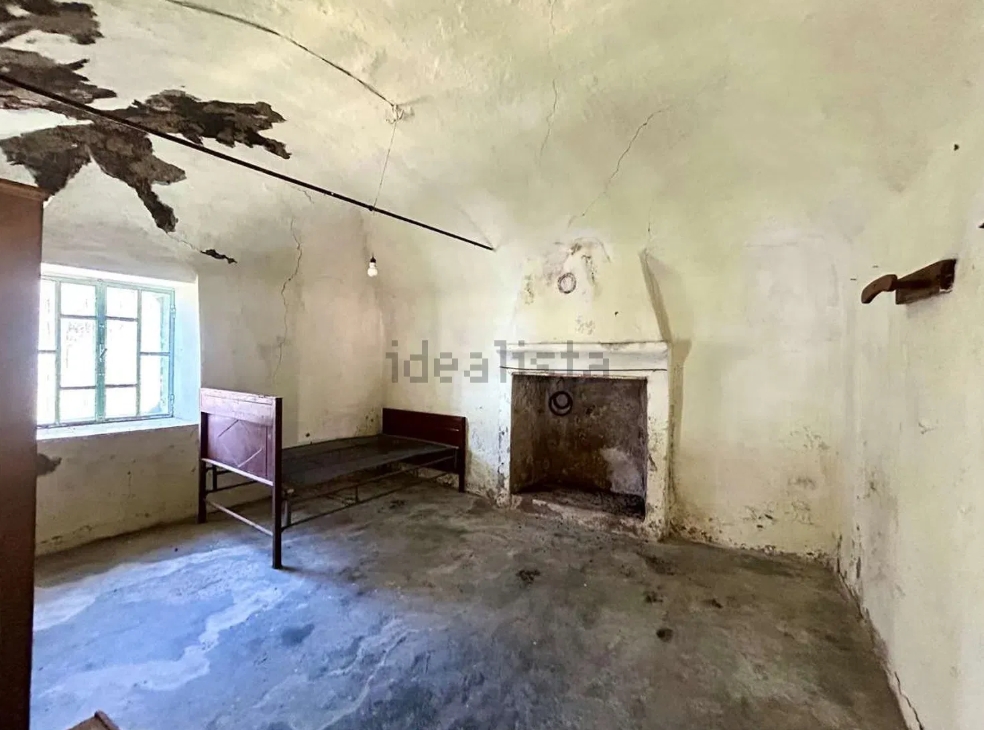
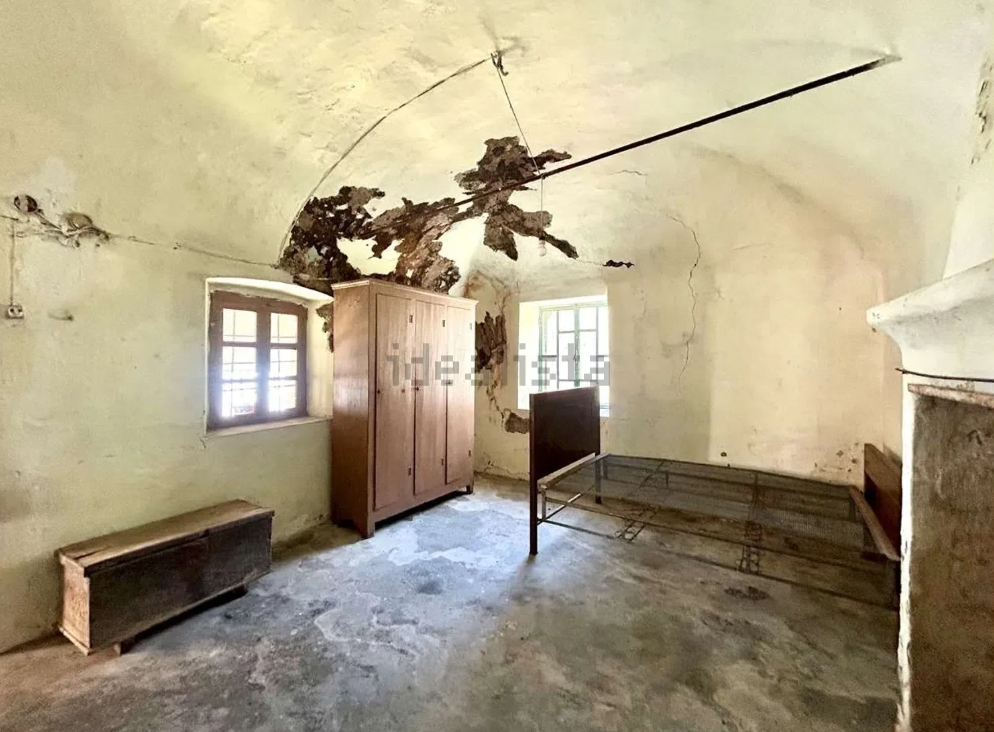
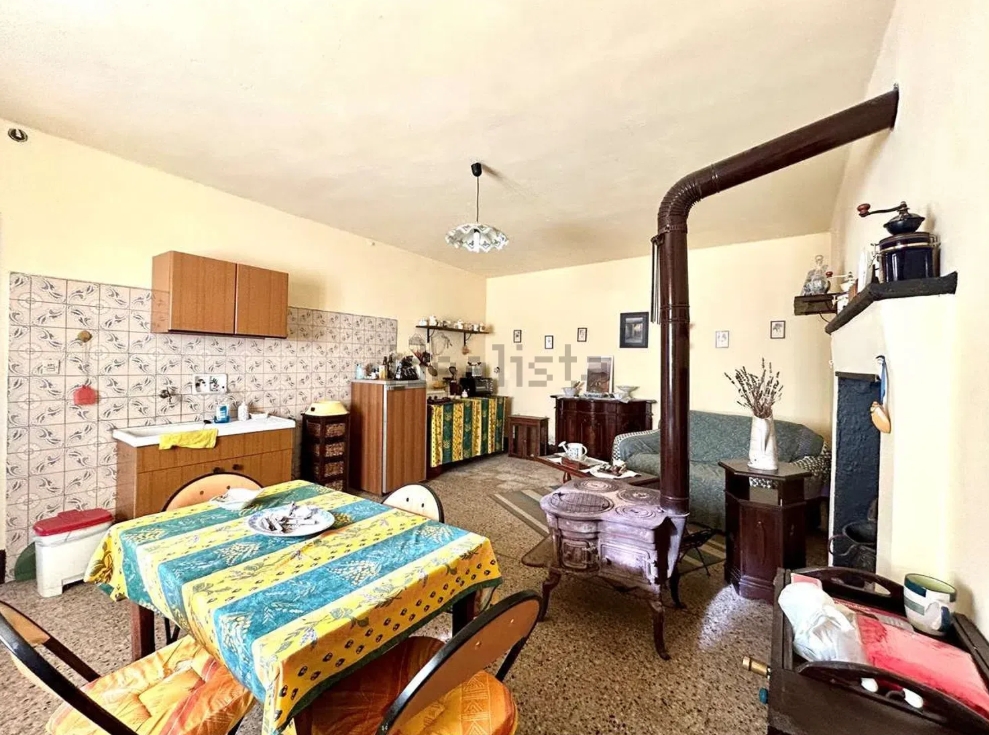
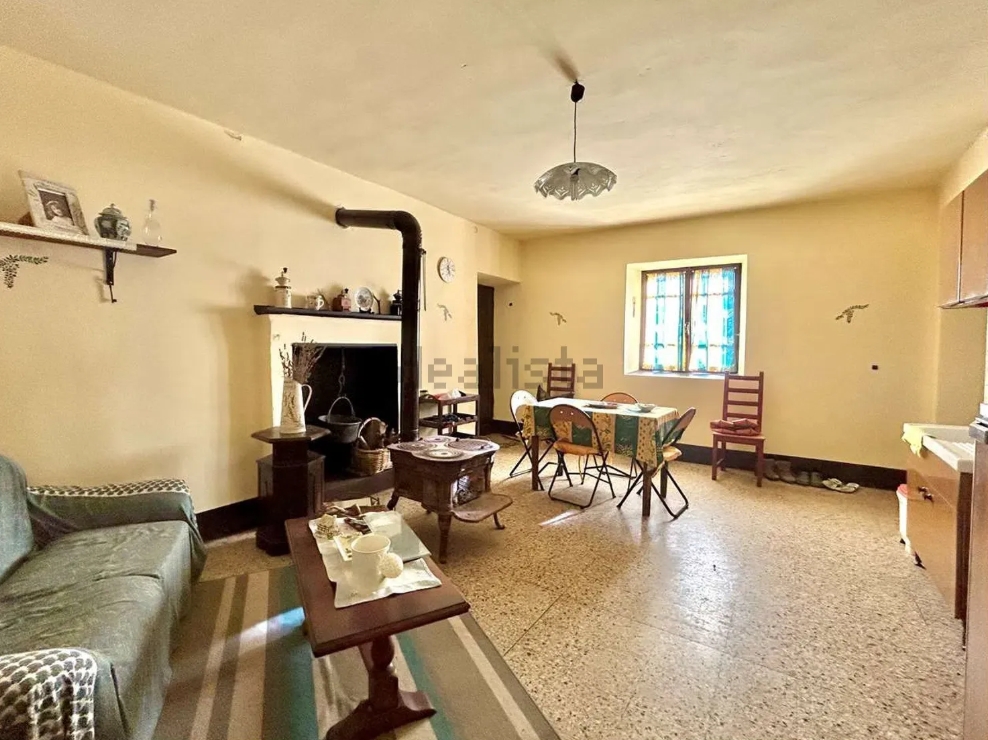
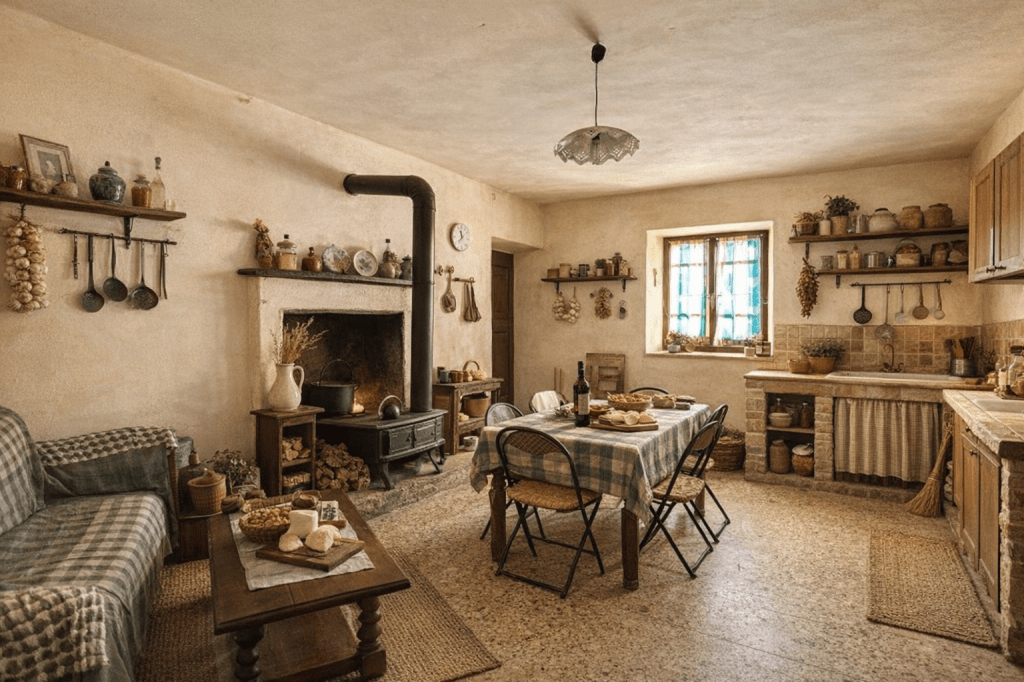
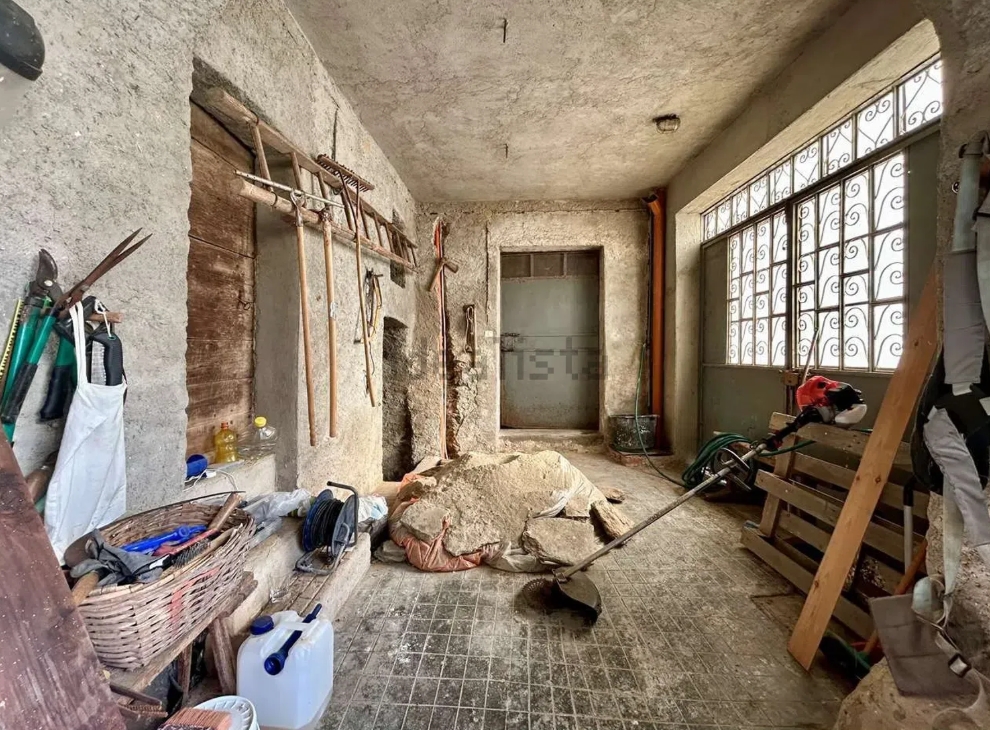
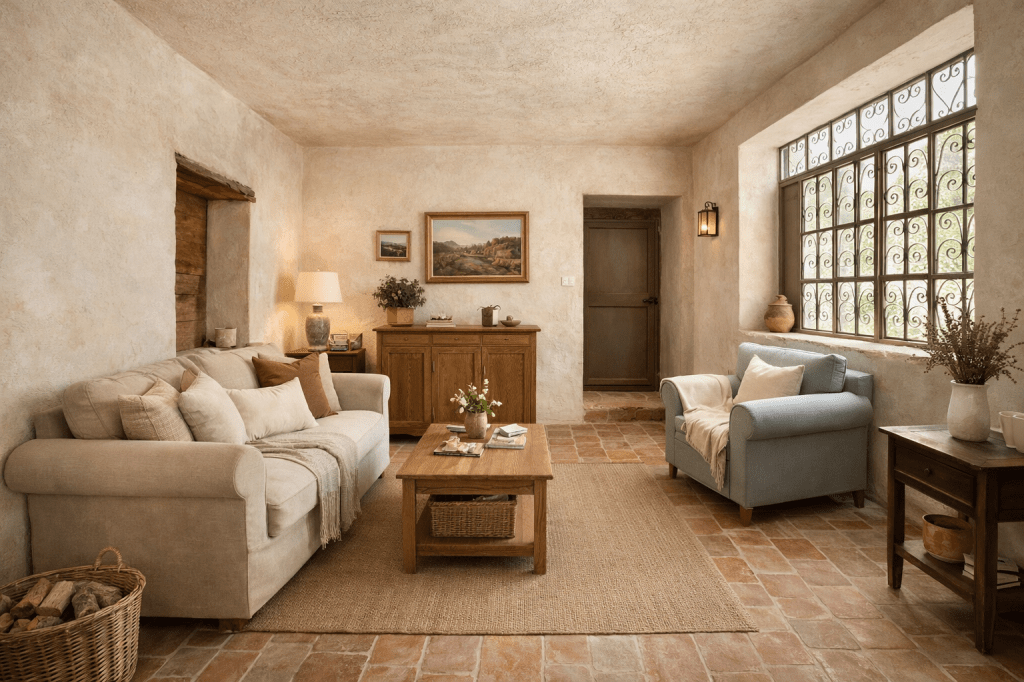
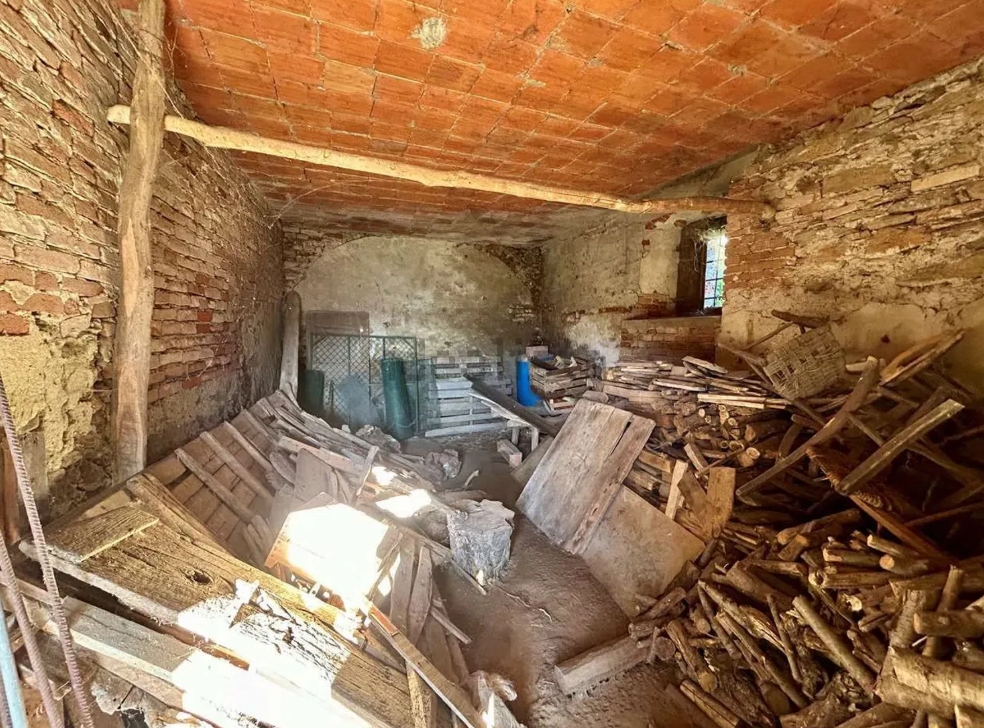
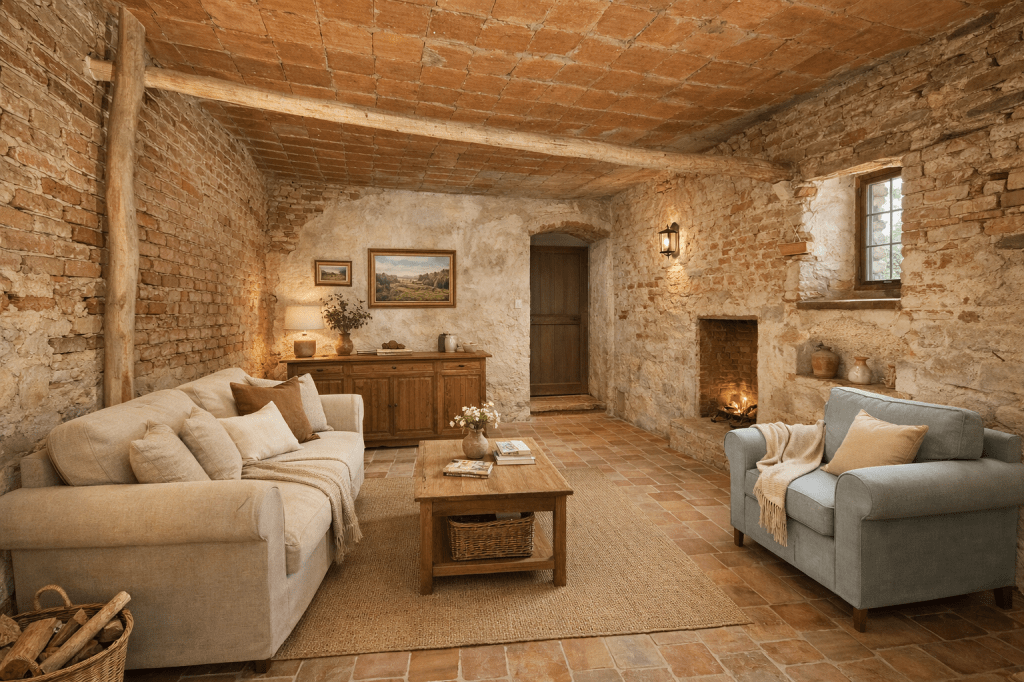
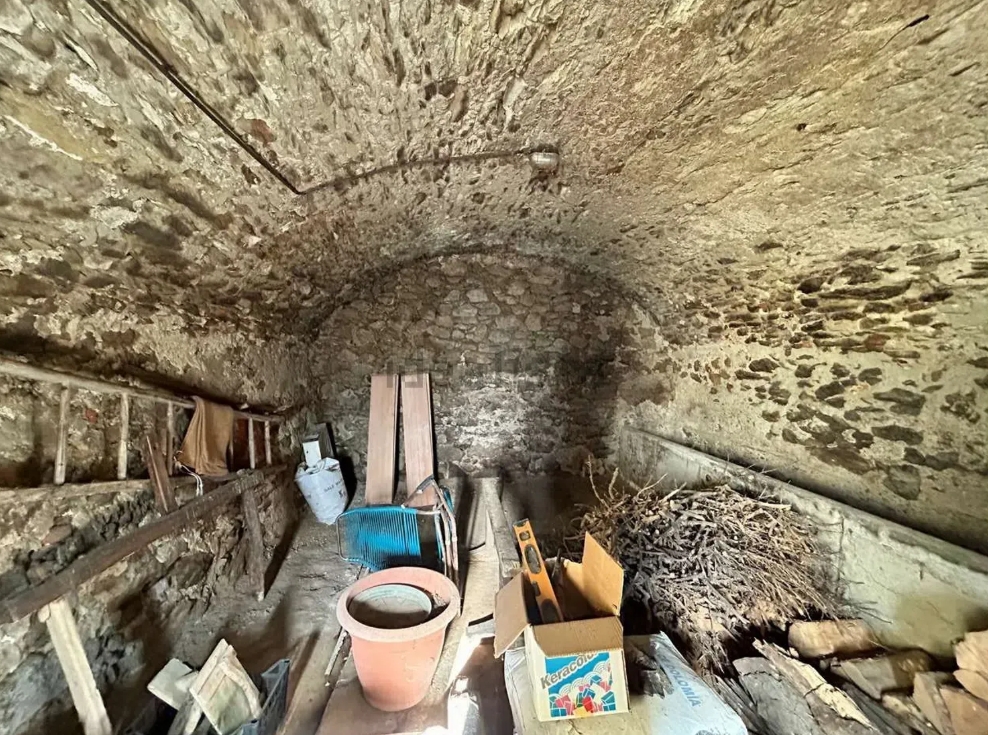
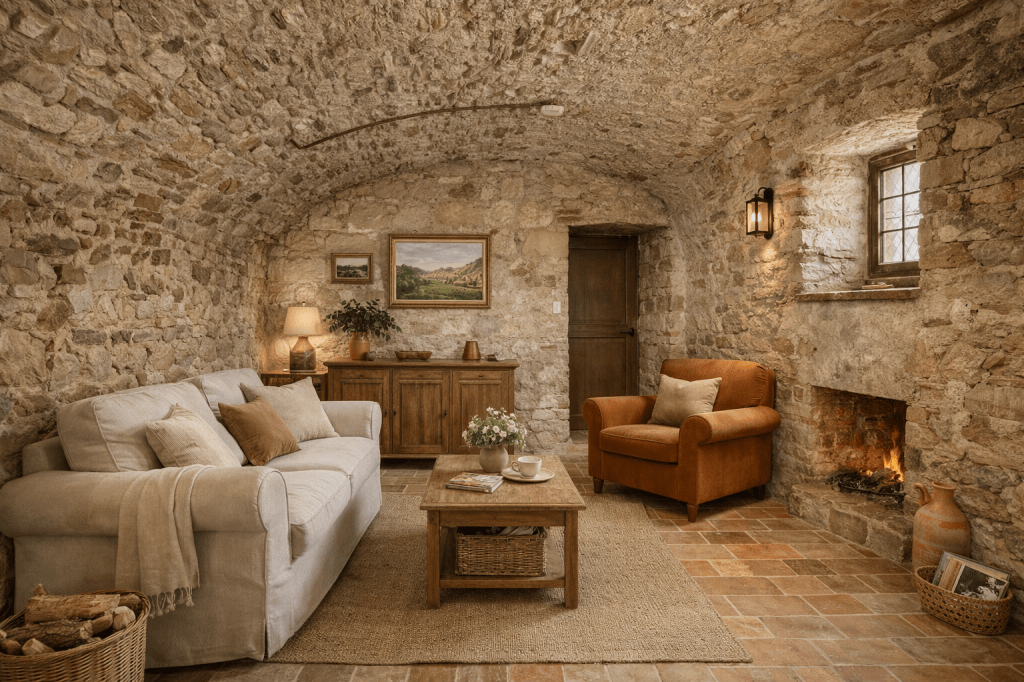
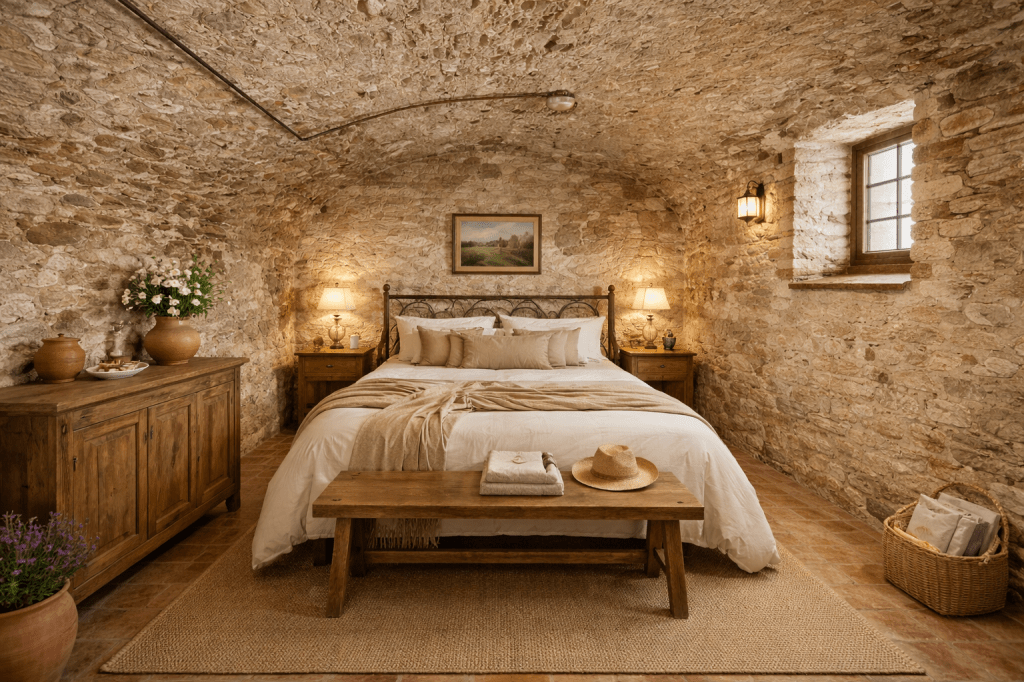
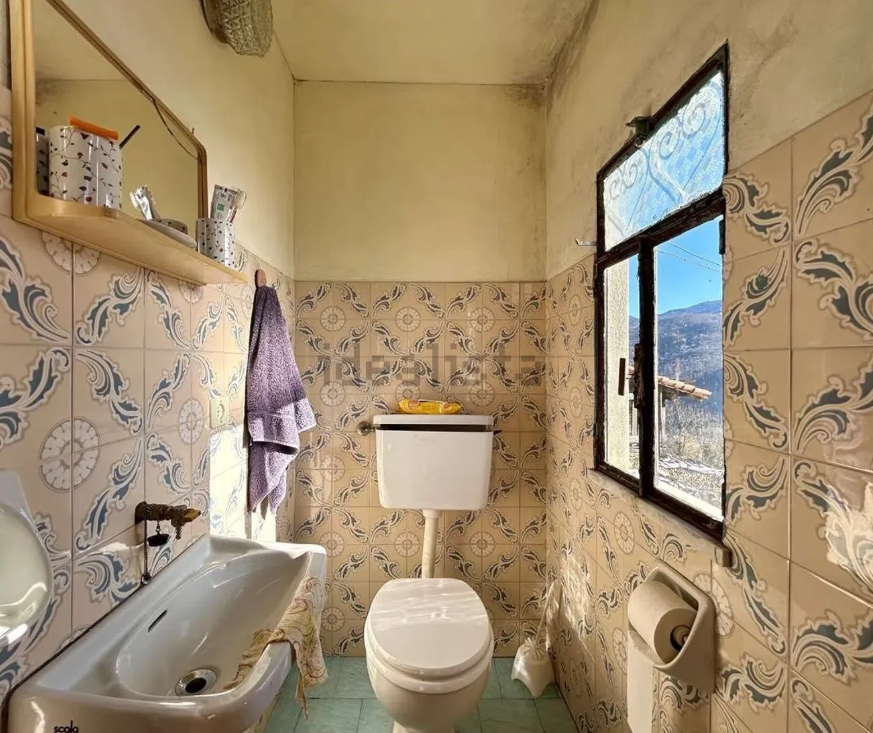
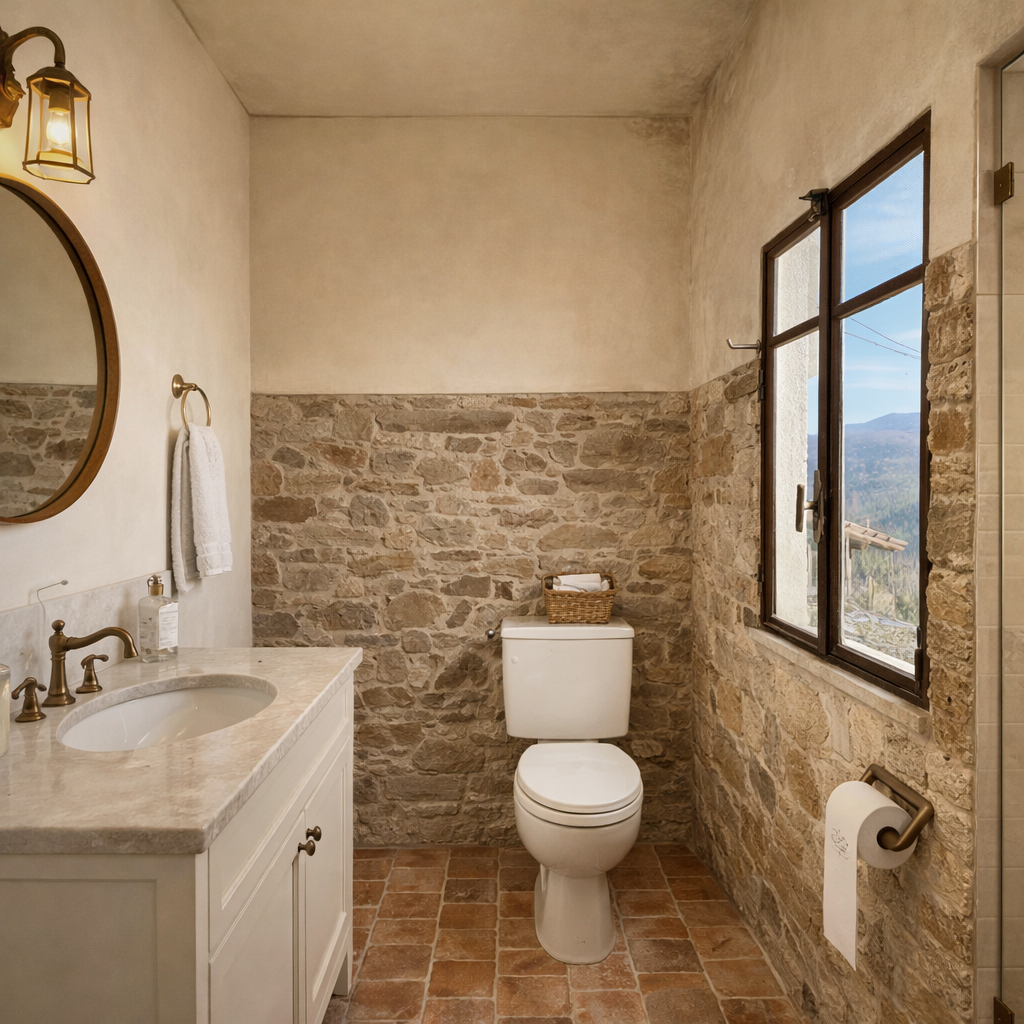
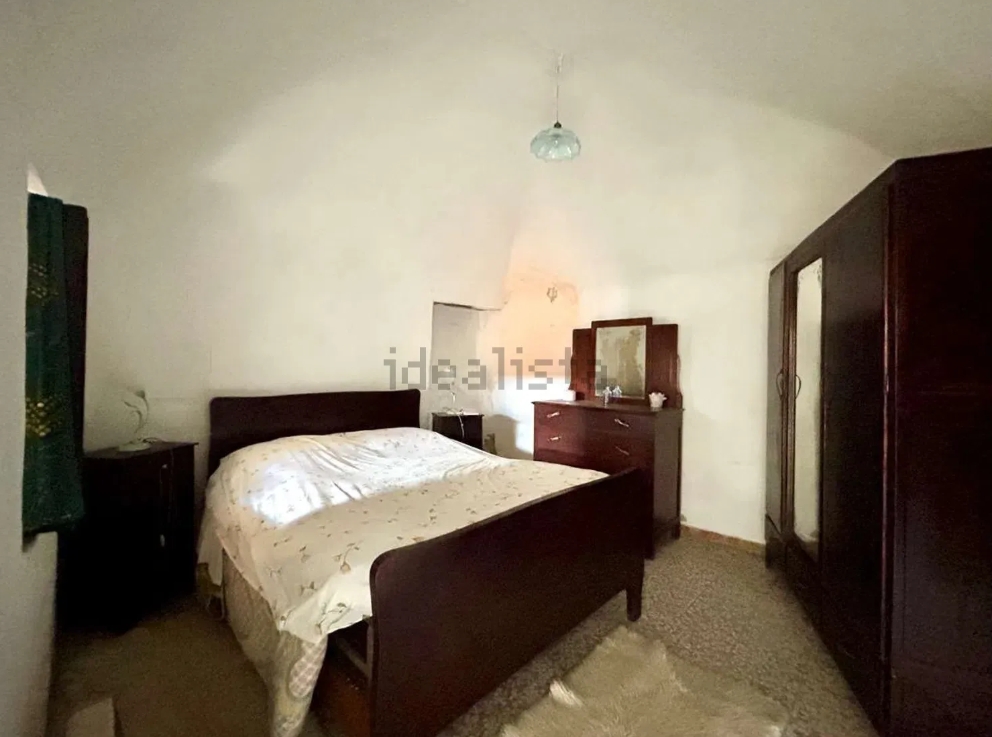
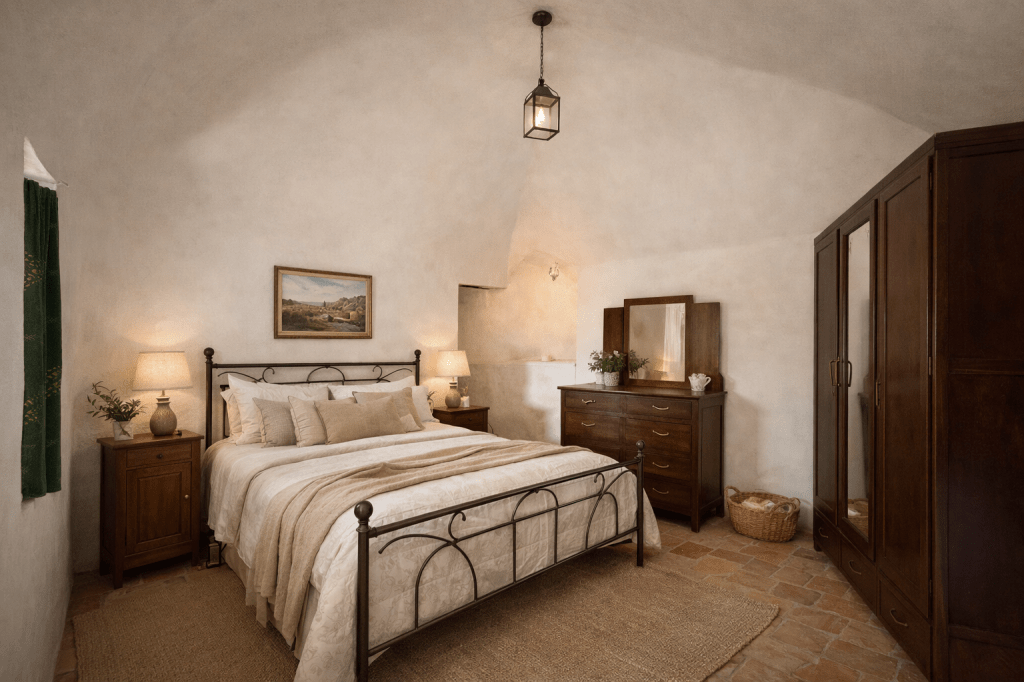
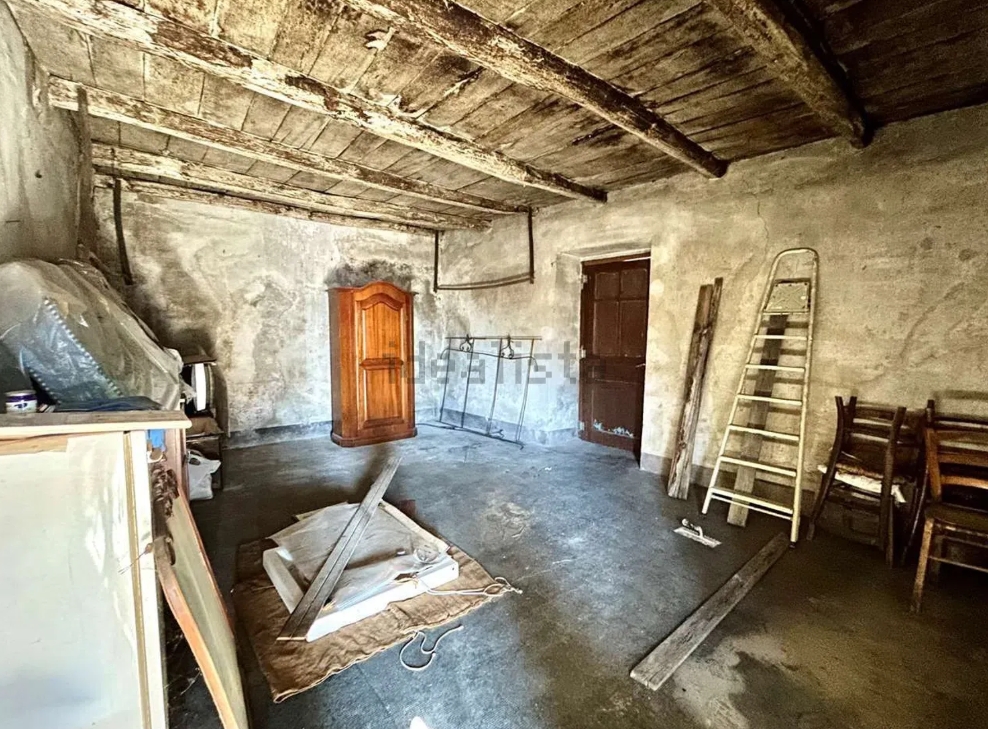
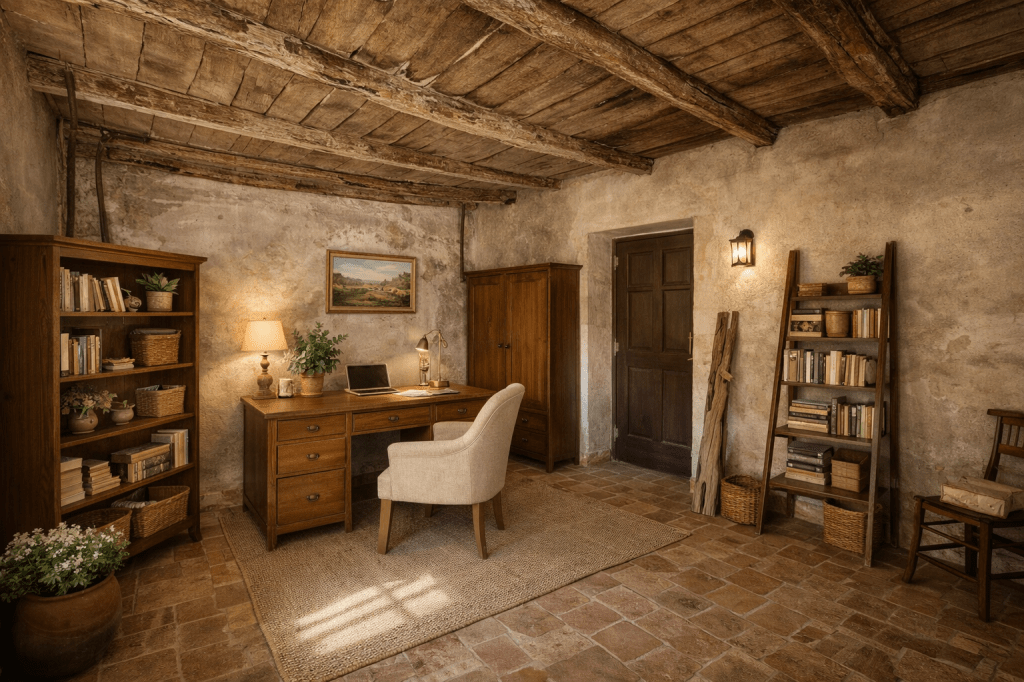
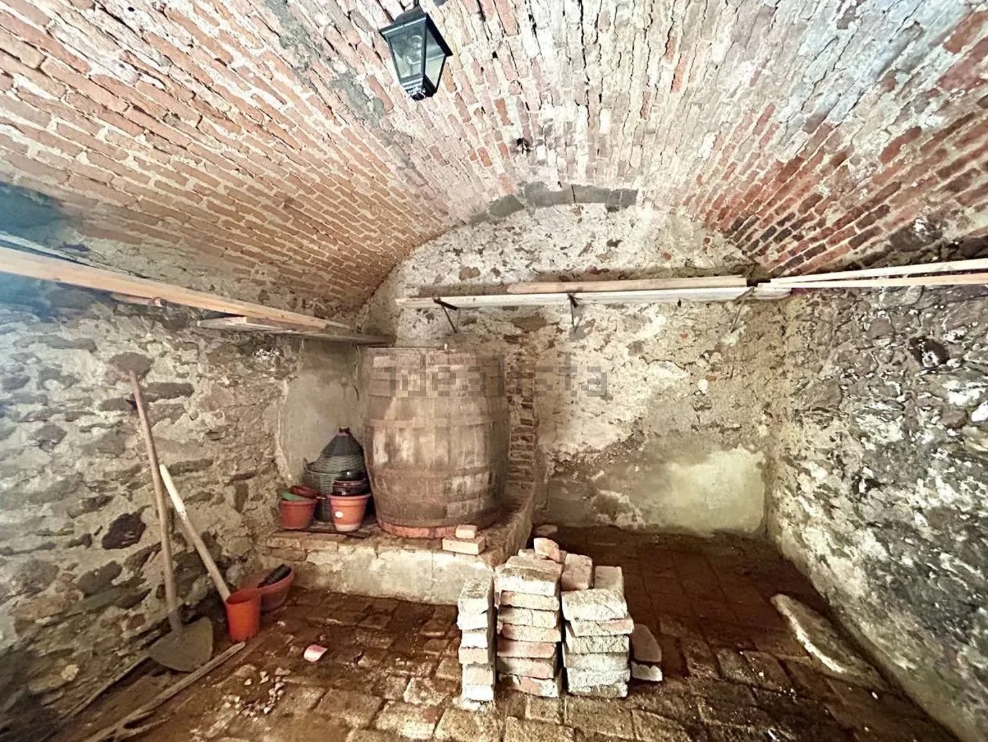
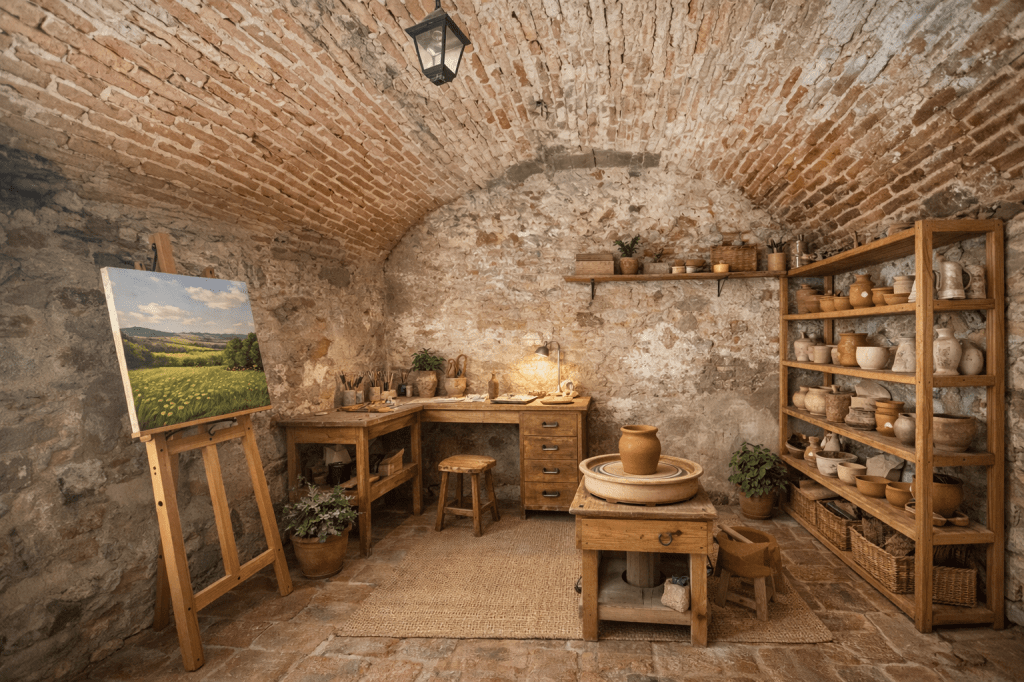
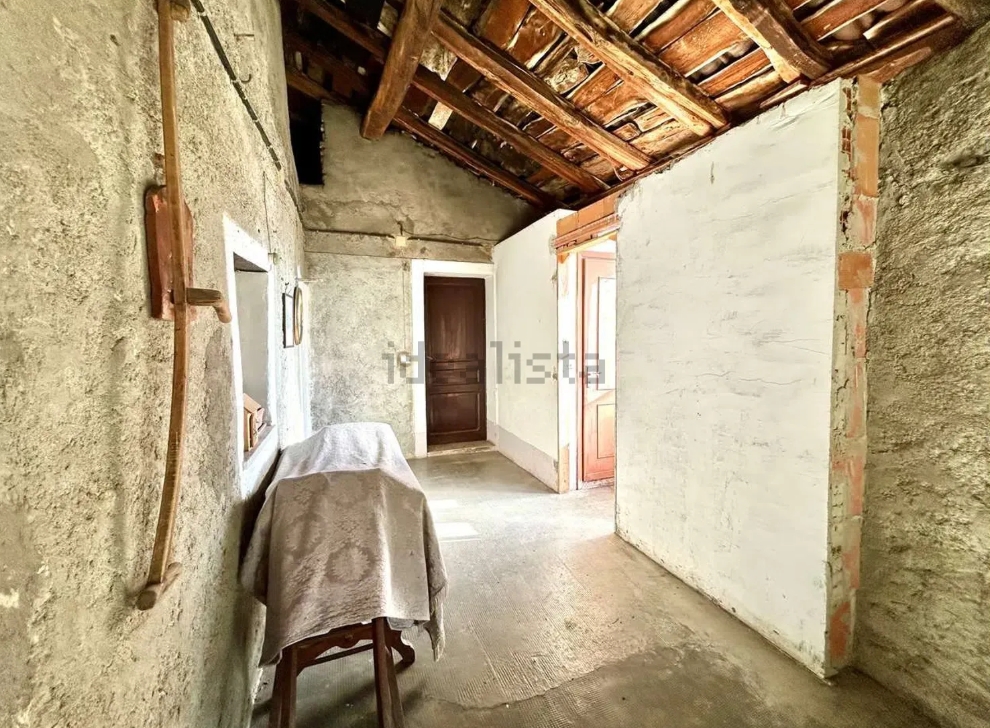
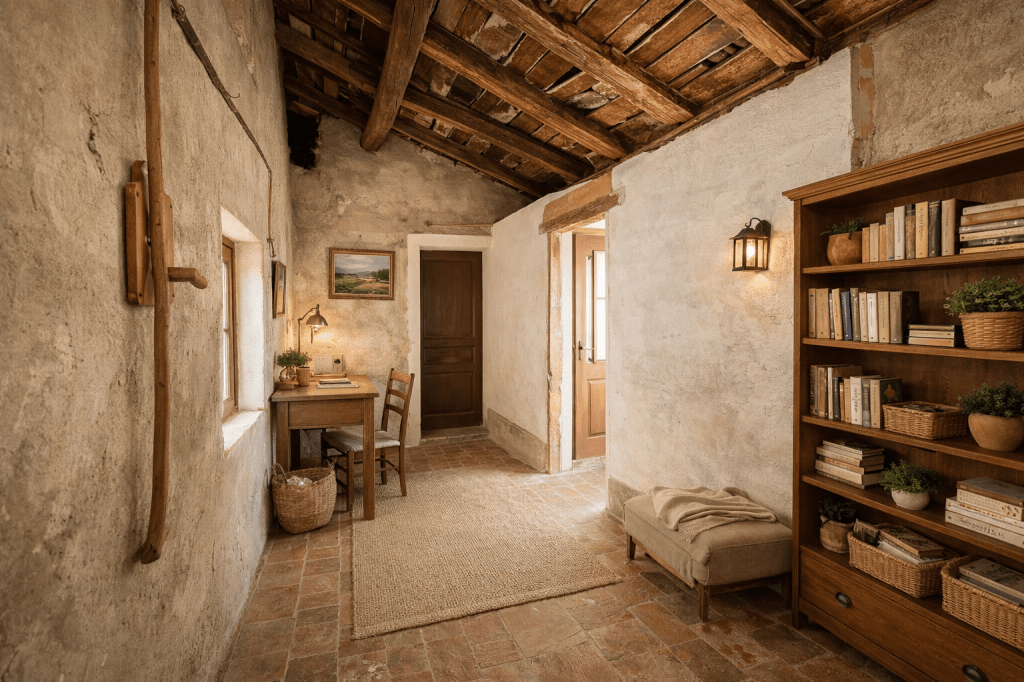
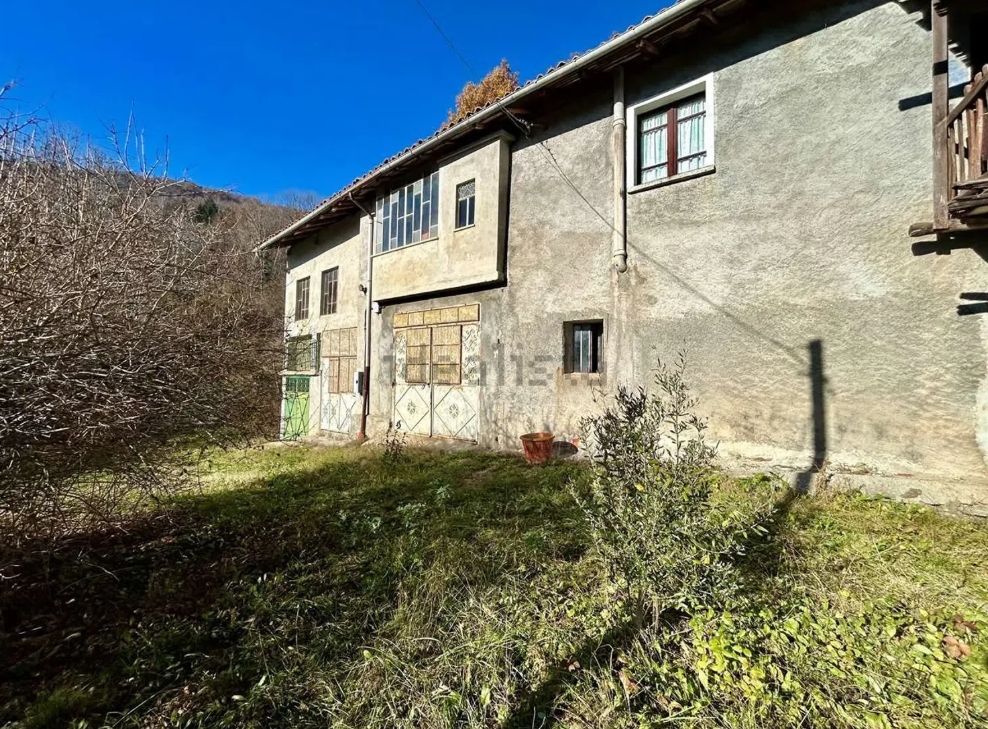
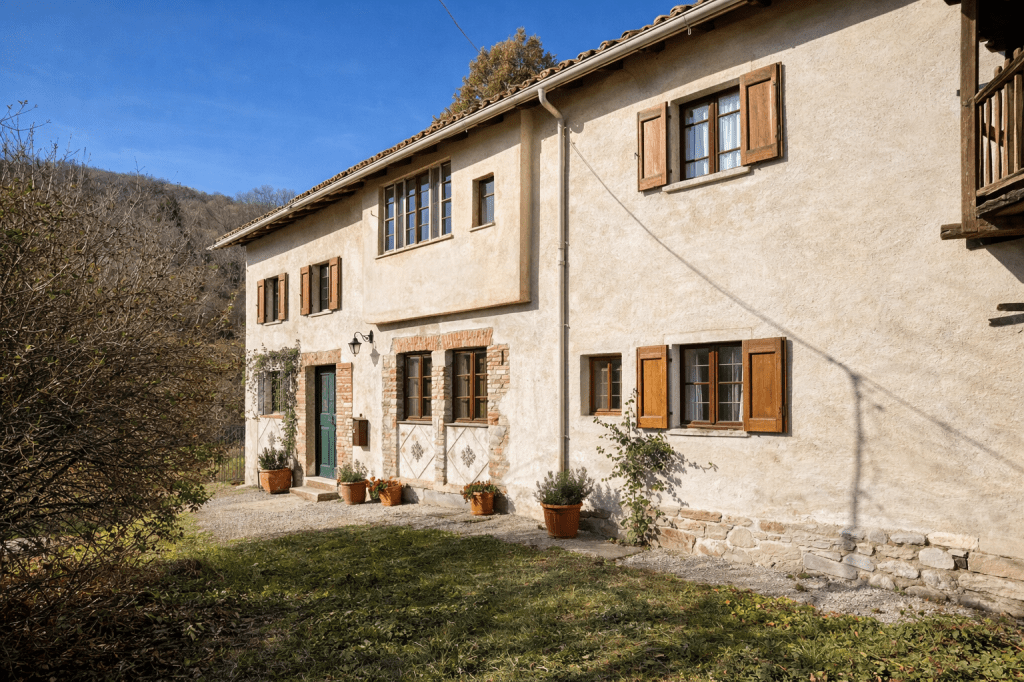
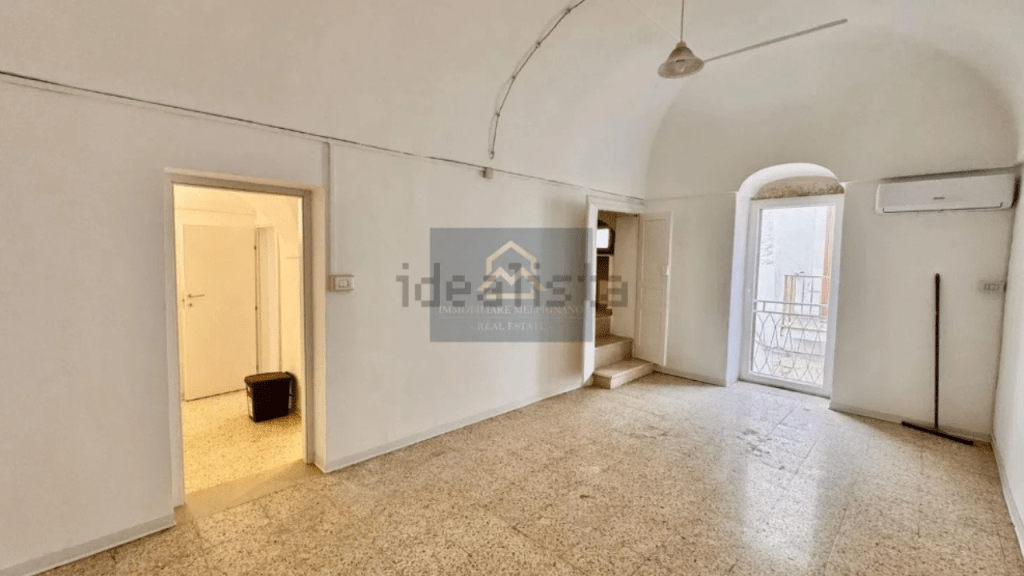
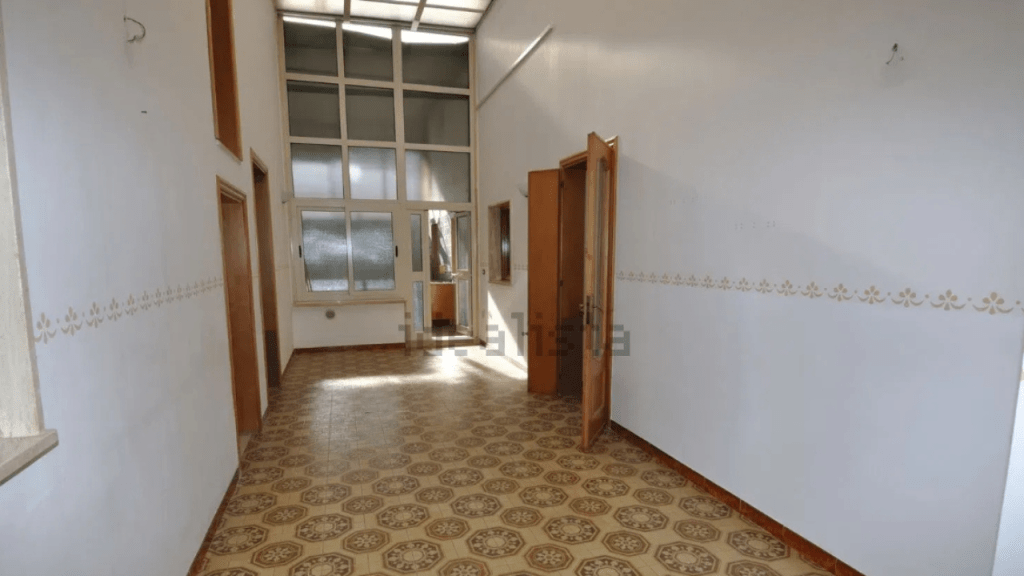
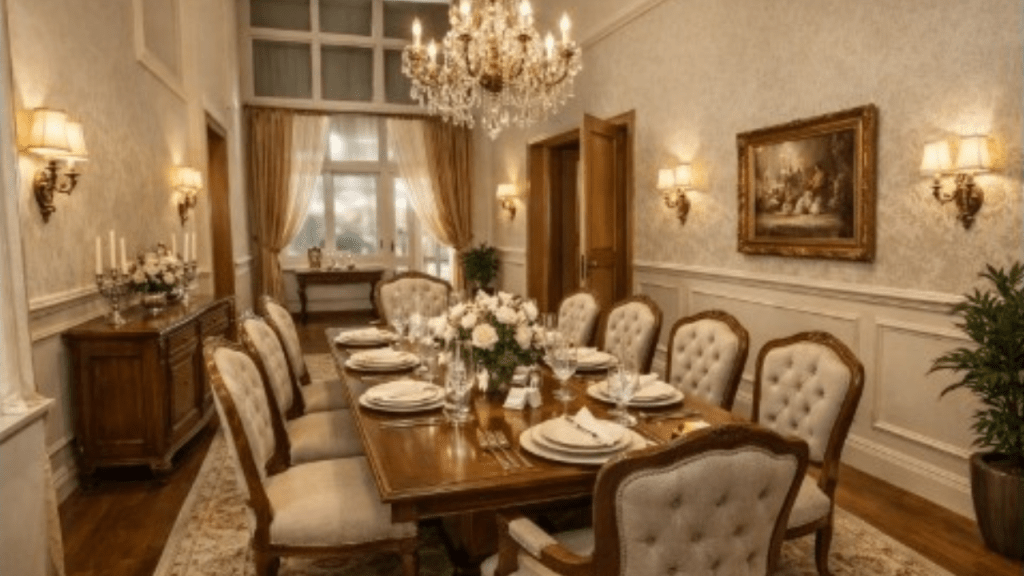
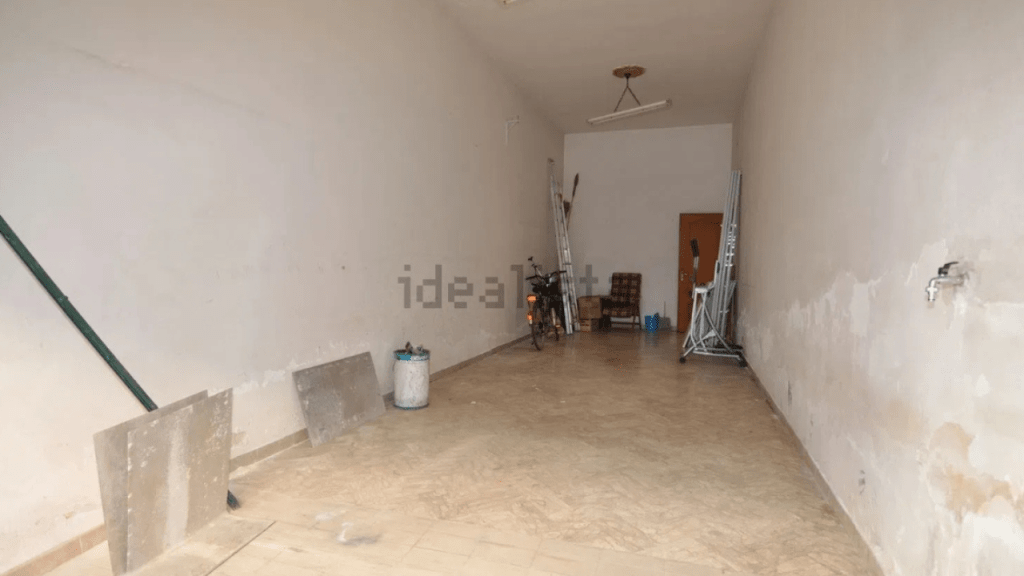
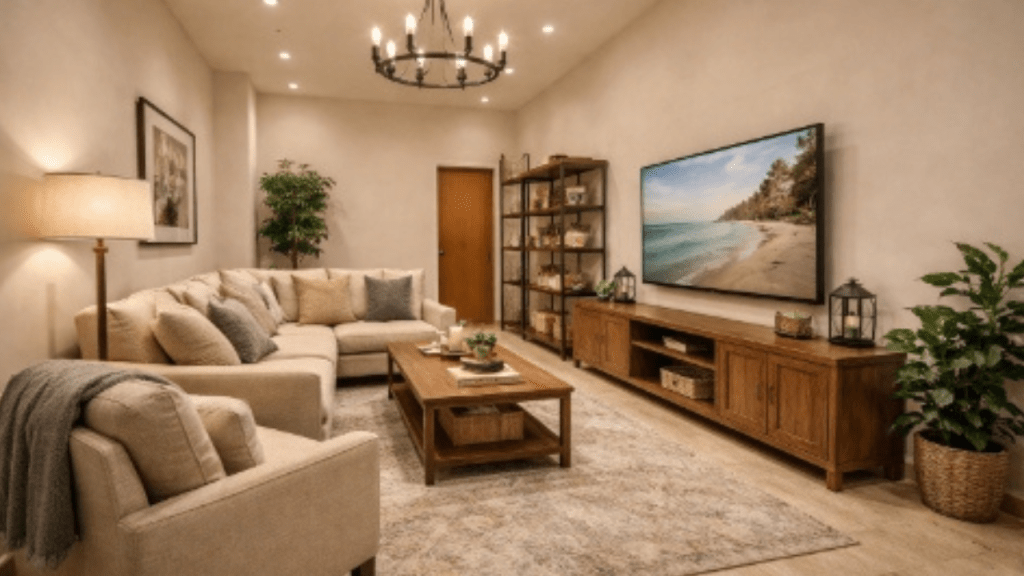
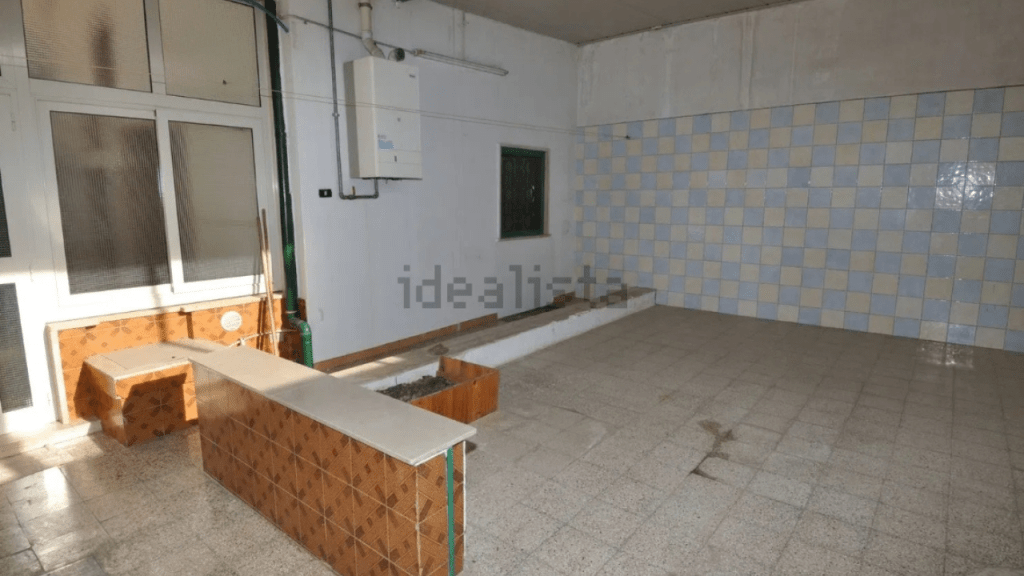
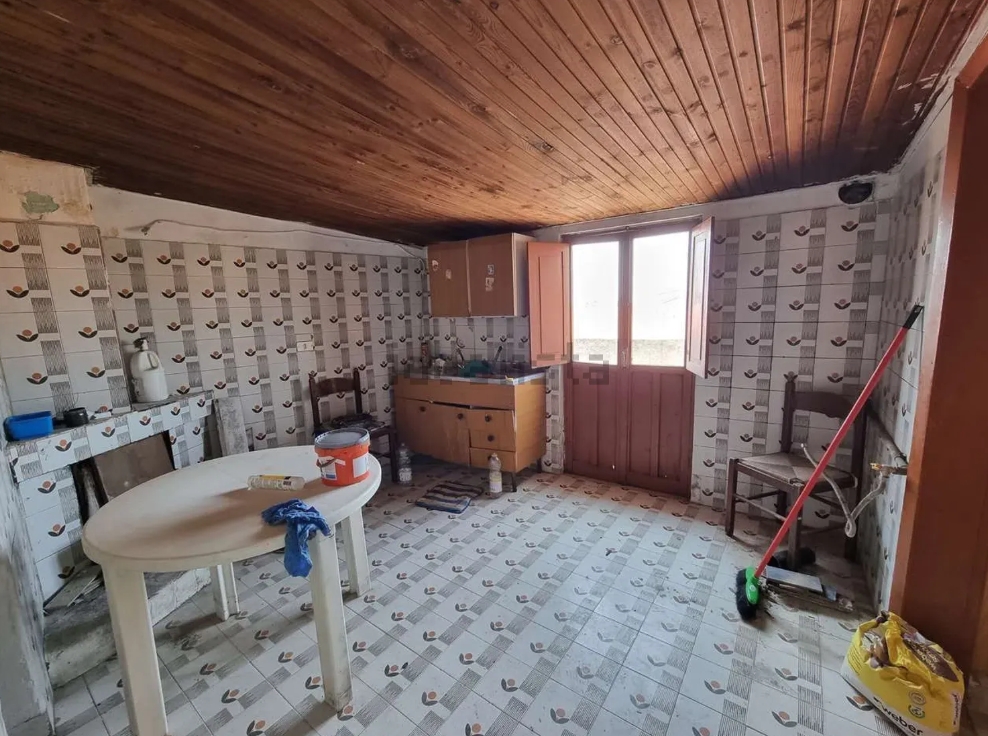
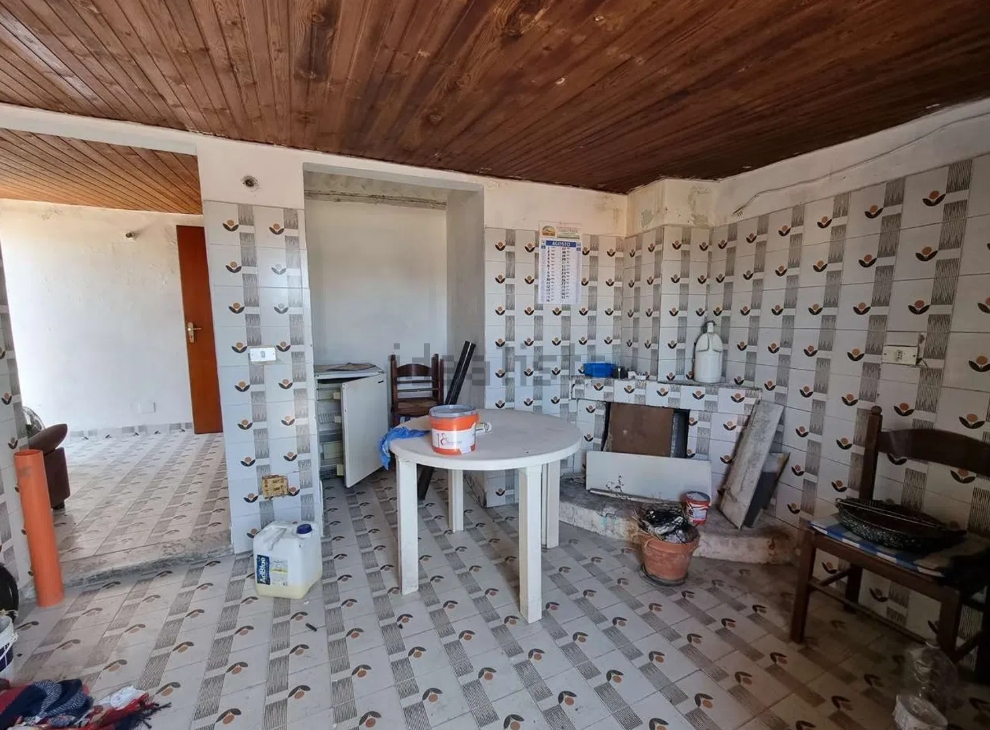
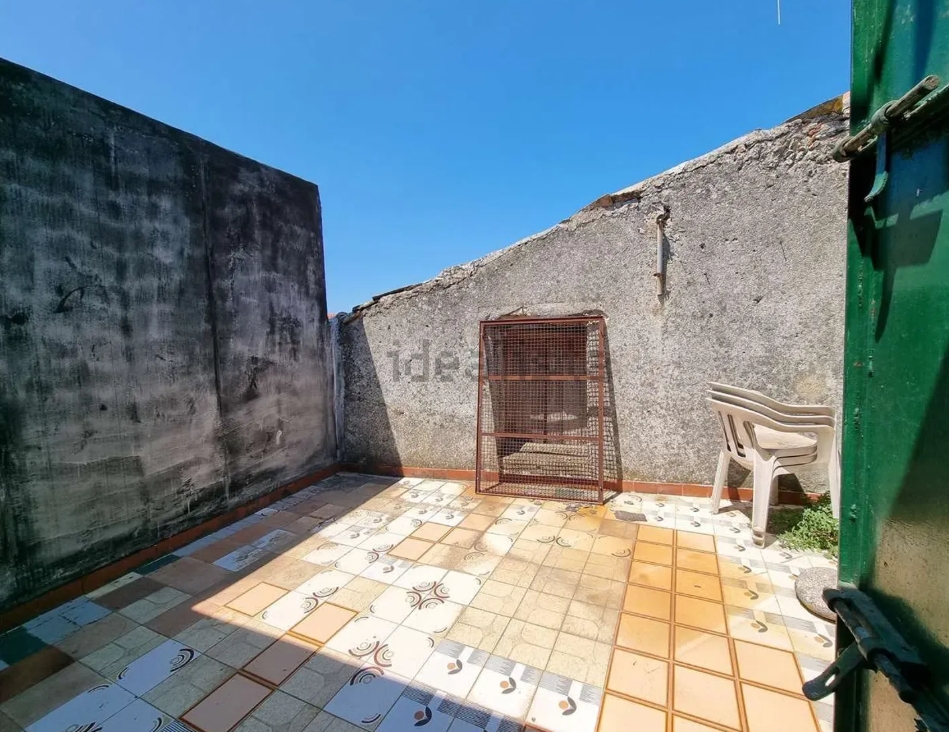
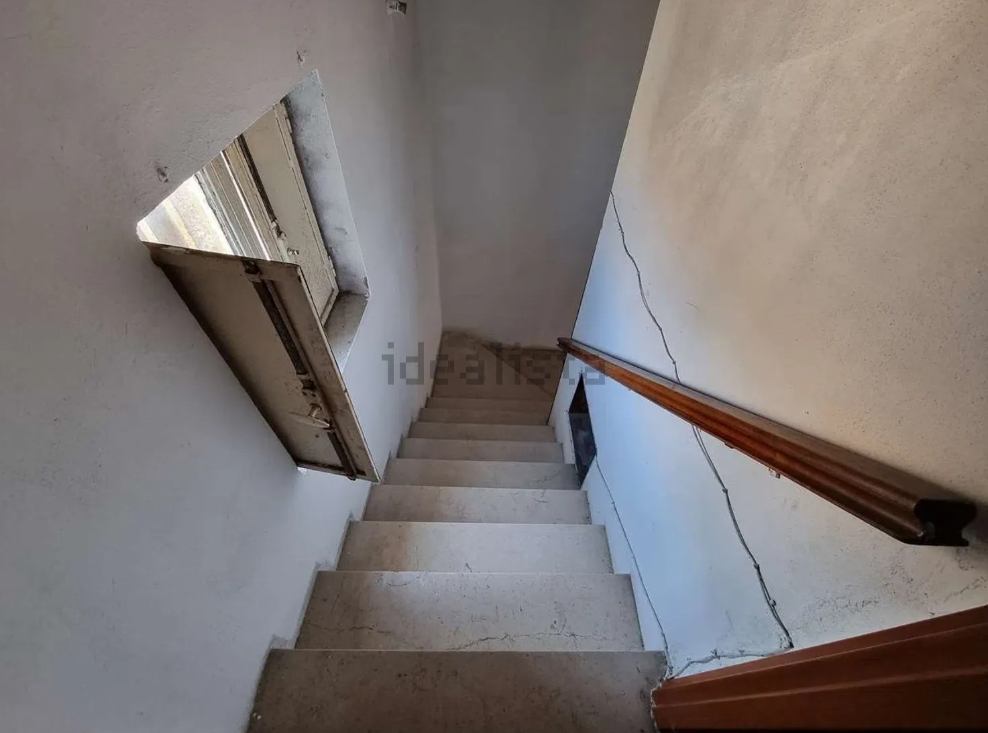
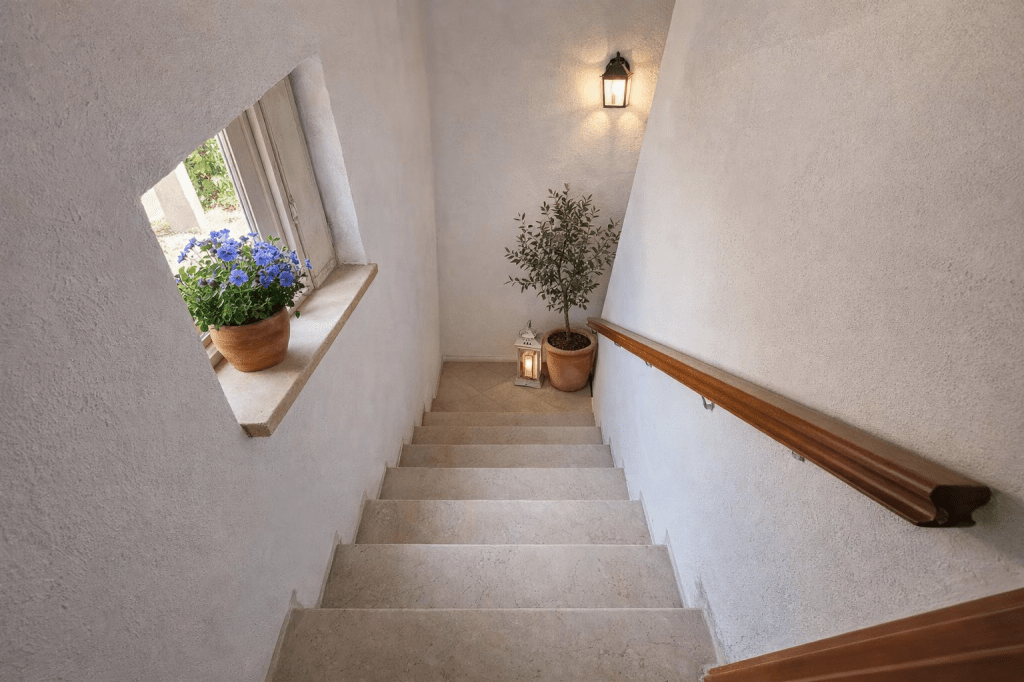
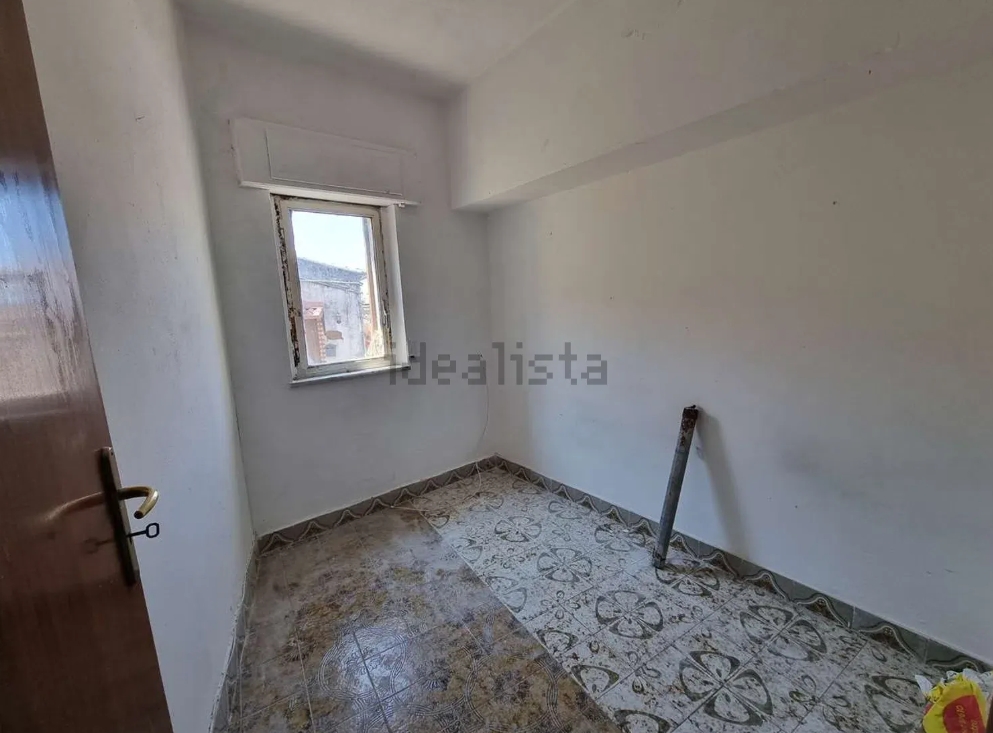
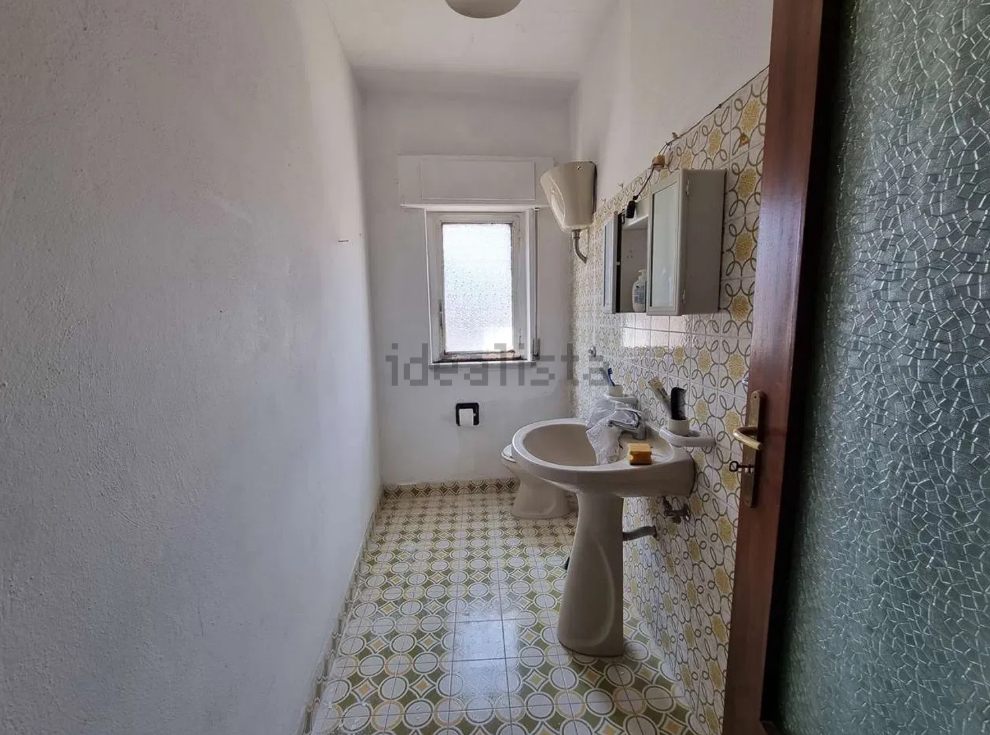
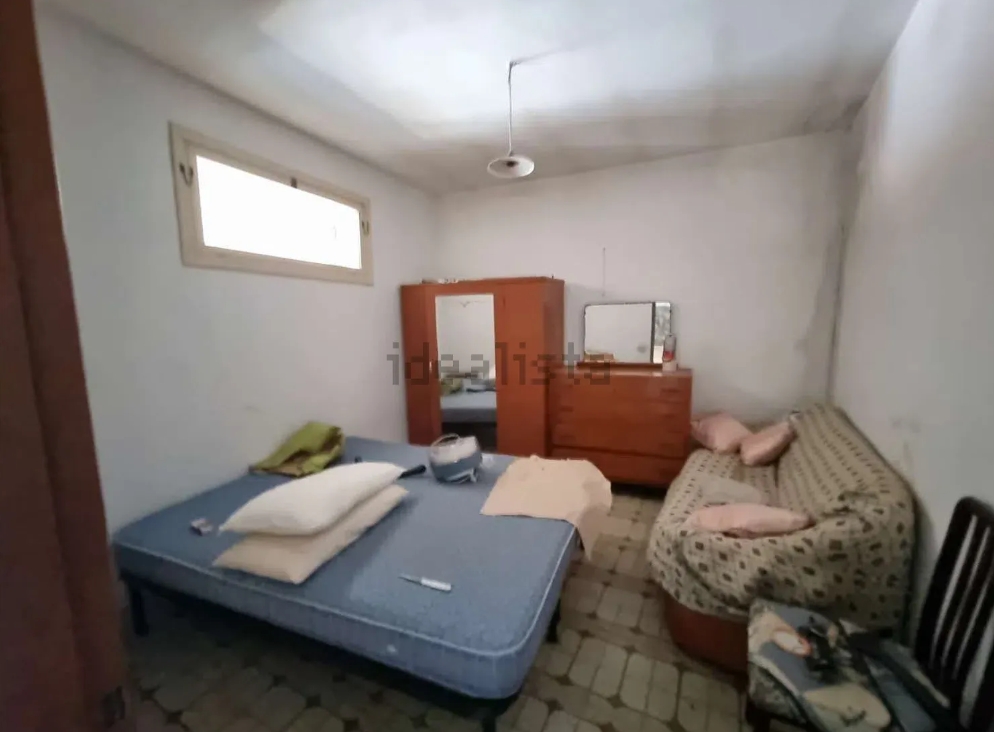
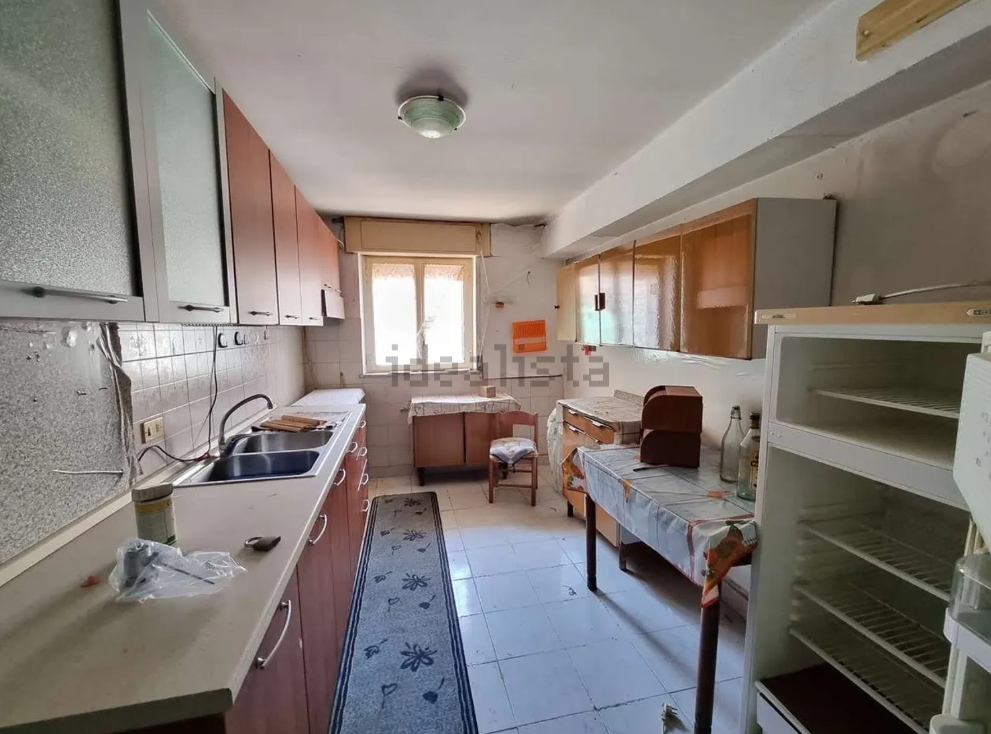
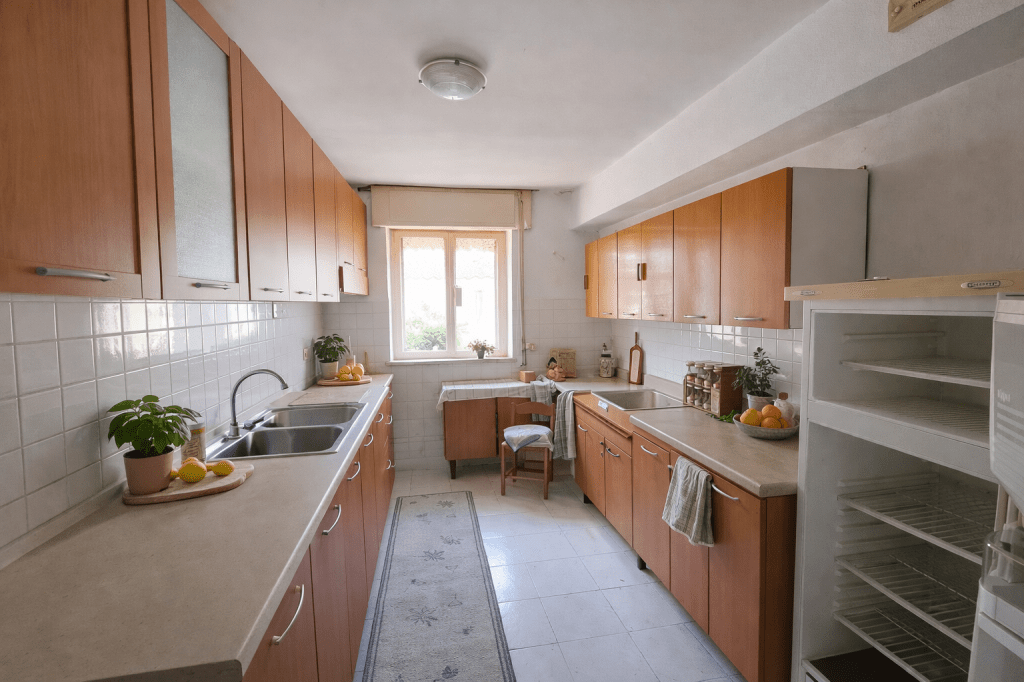
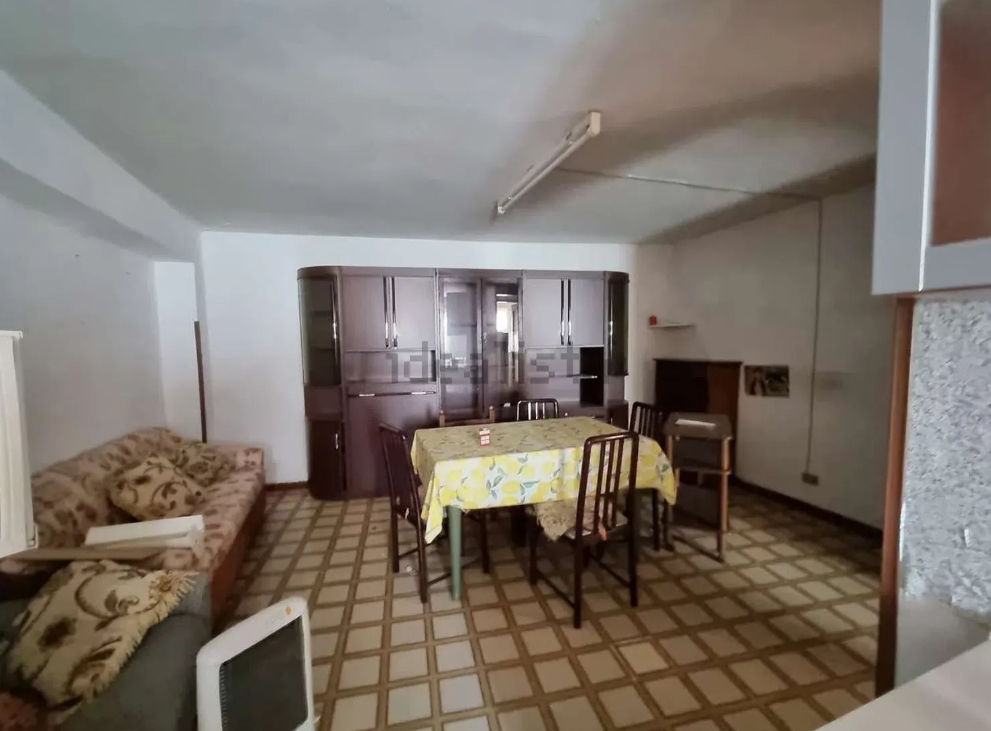
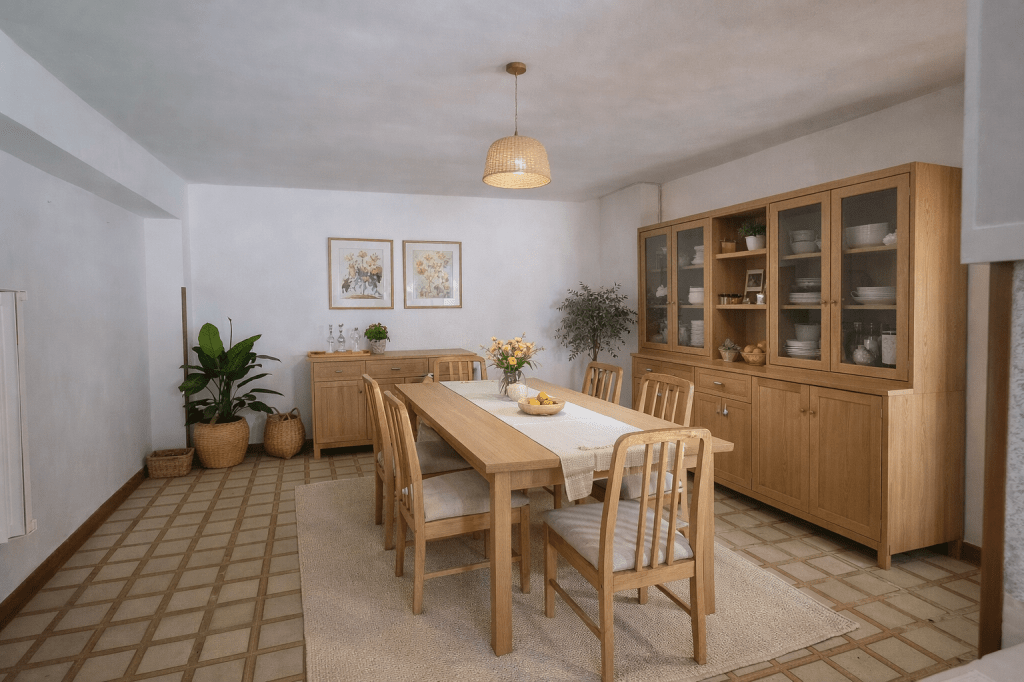
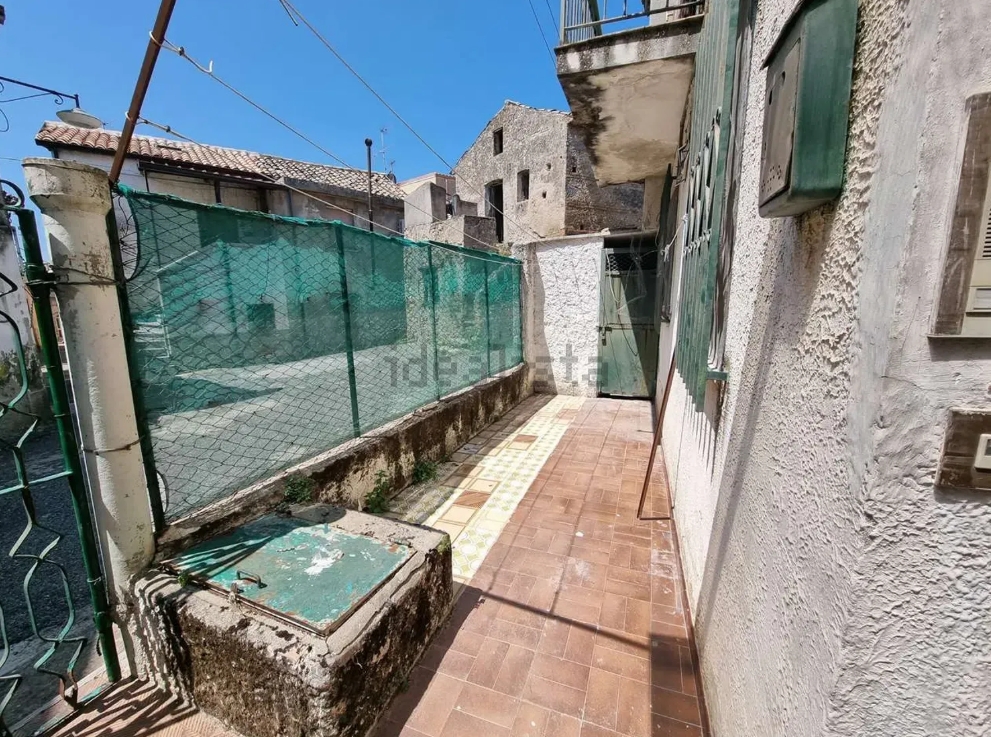
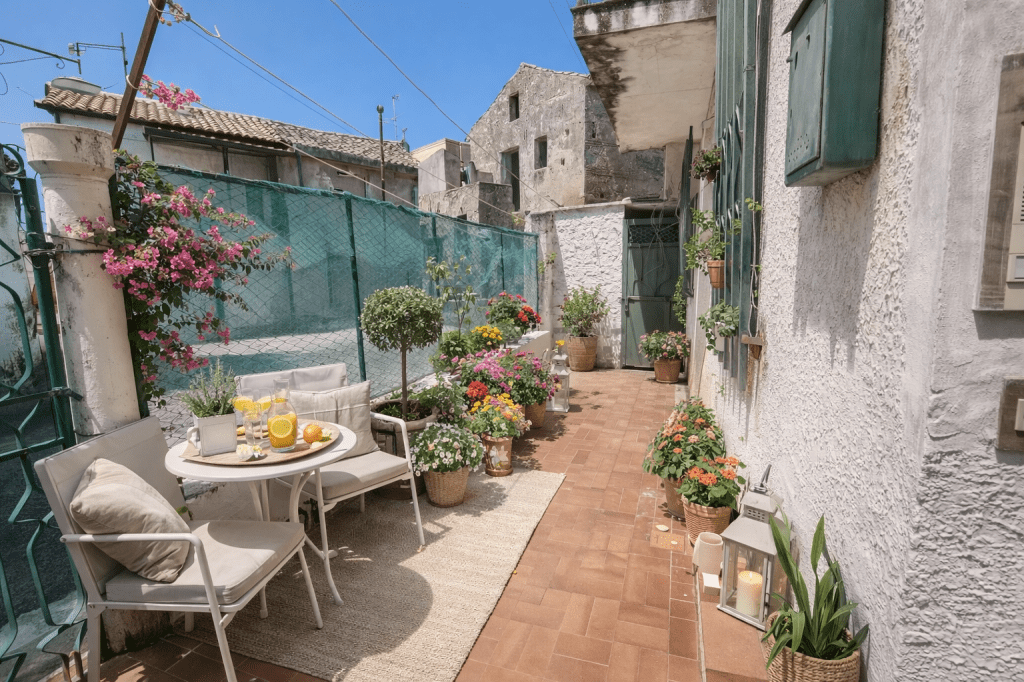
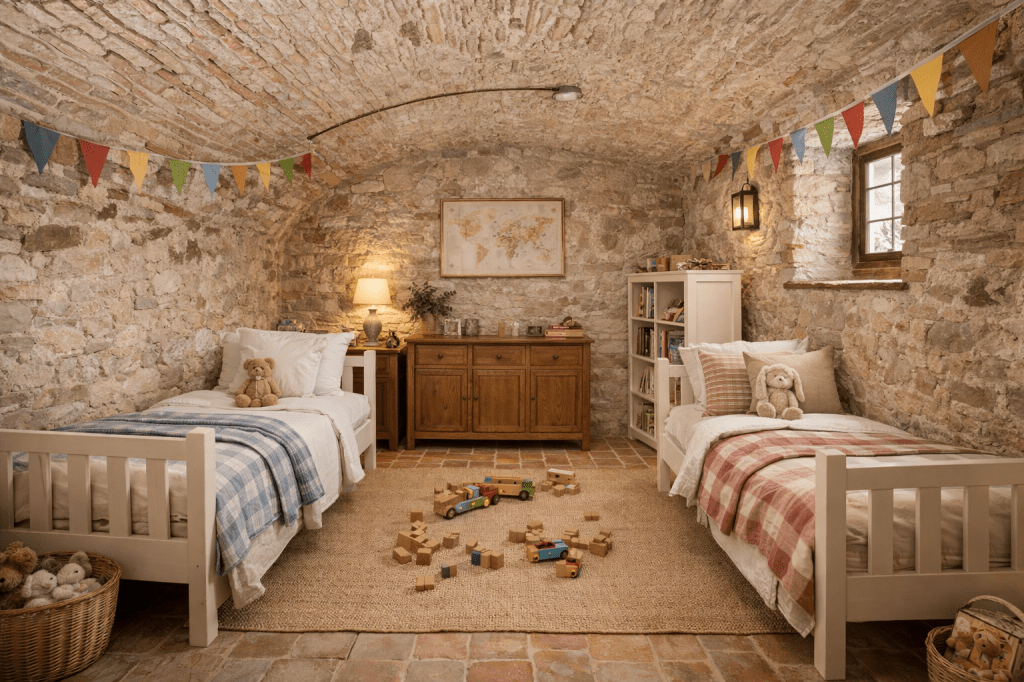
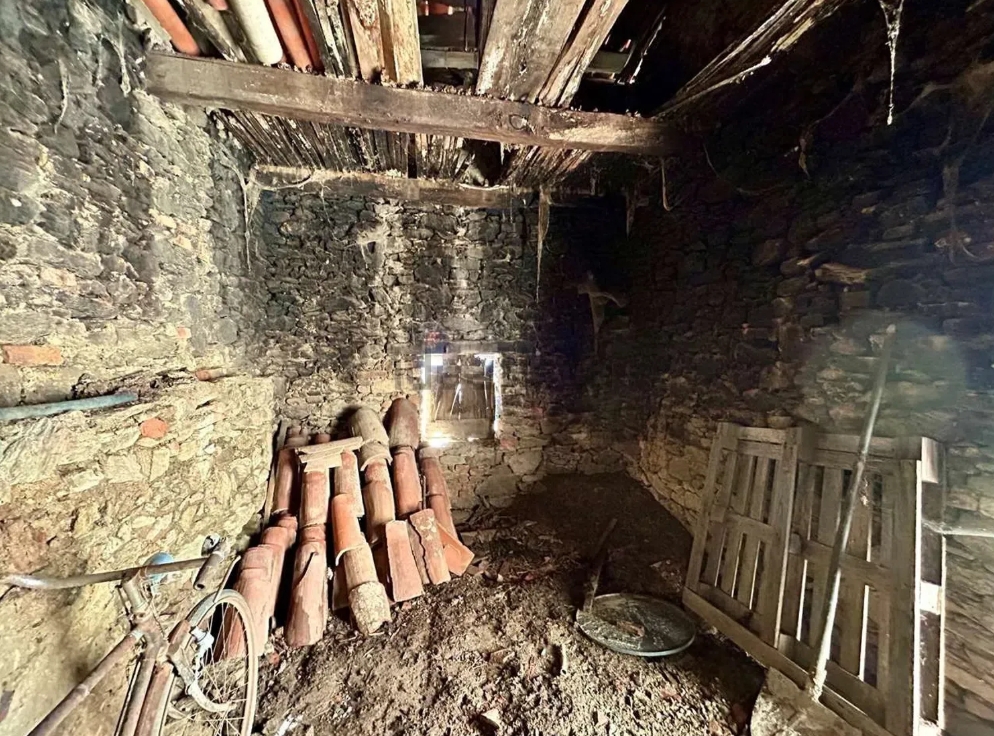
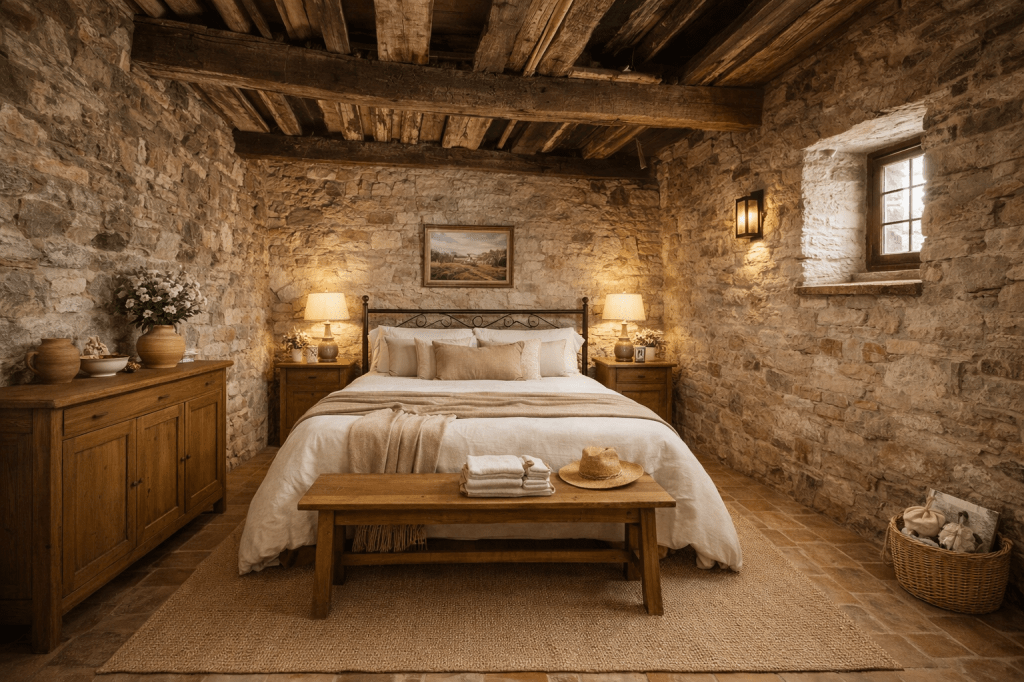
    I try to only share habitable homes in good condition but a lot of Italian homes, especially in the lower price ranges, have plain or boring rooms, scary looking bathroom tiles, outdated kitchen fittings, etc. Also, many have unused cellars/garages/warehouses/tavernas which have so much potential to become additional living space with no need for an architect or geometra or even planning permission.

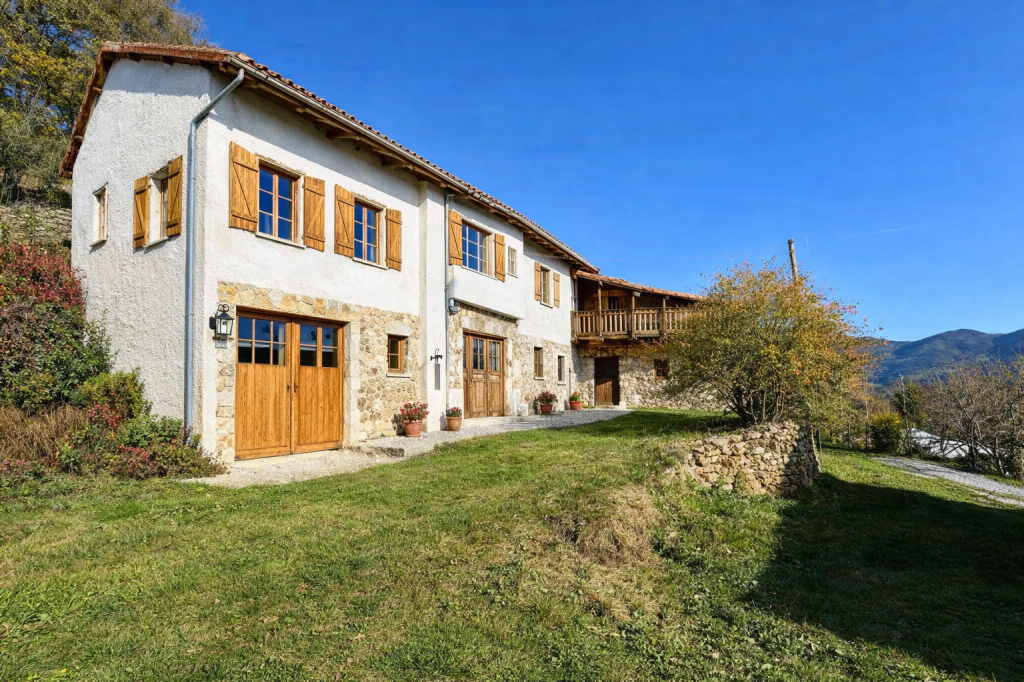
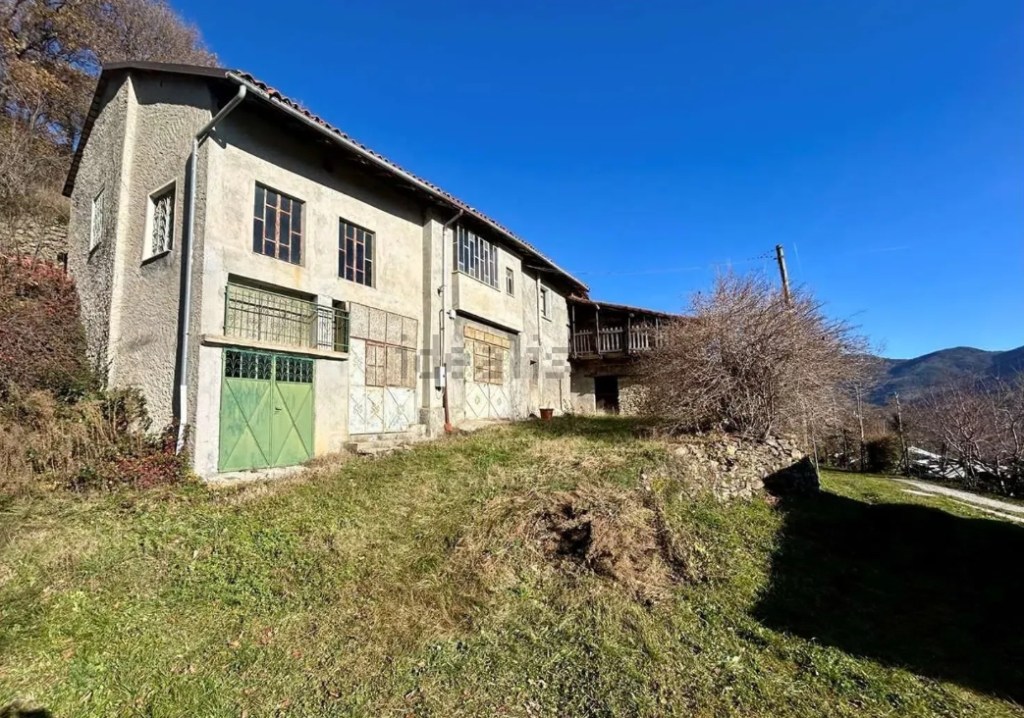
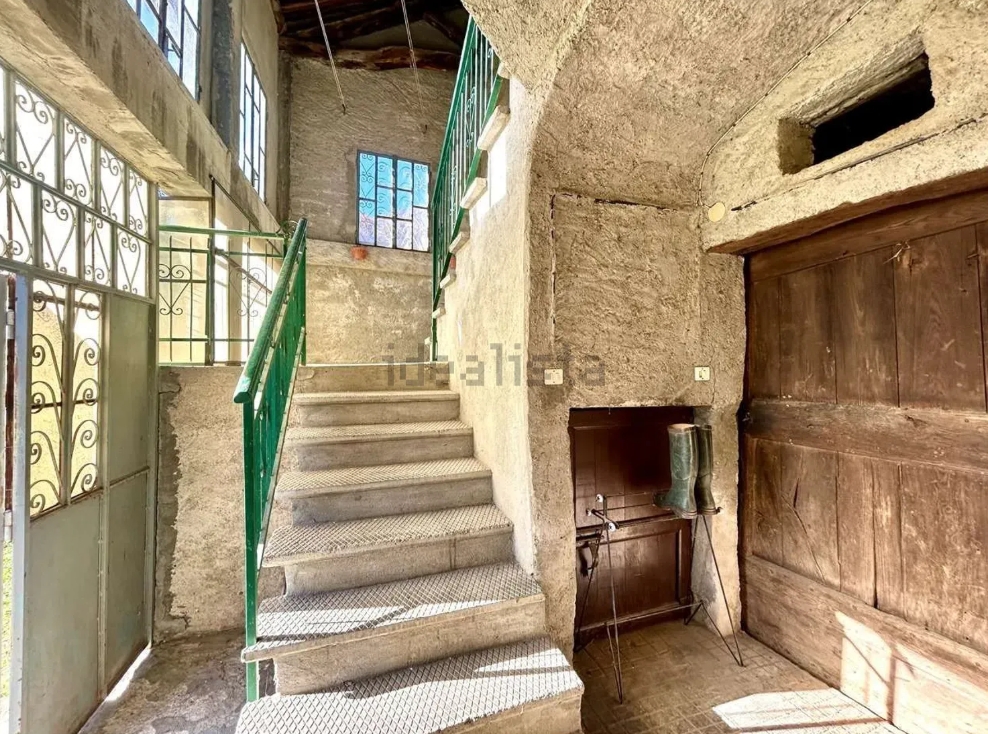
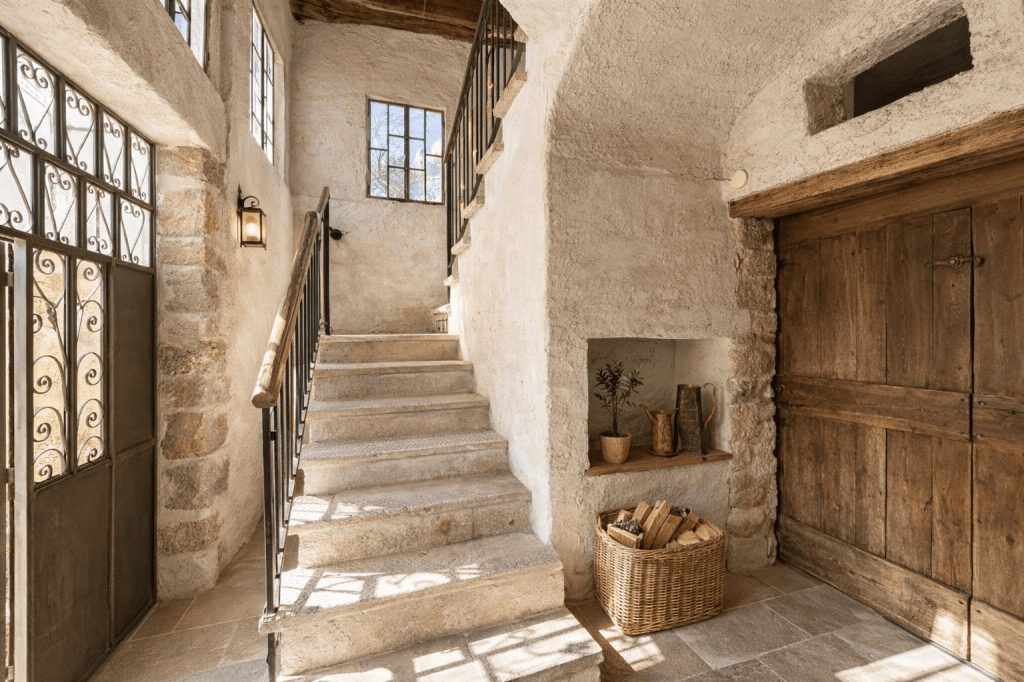
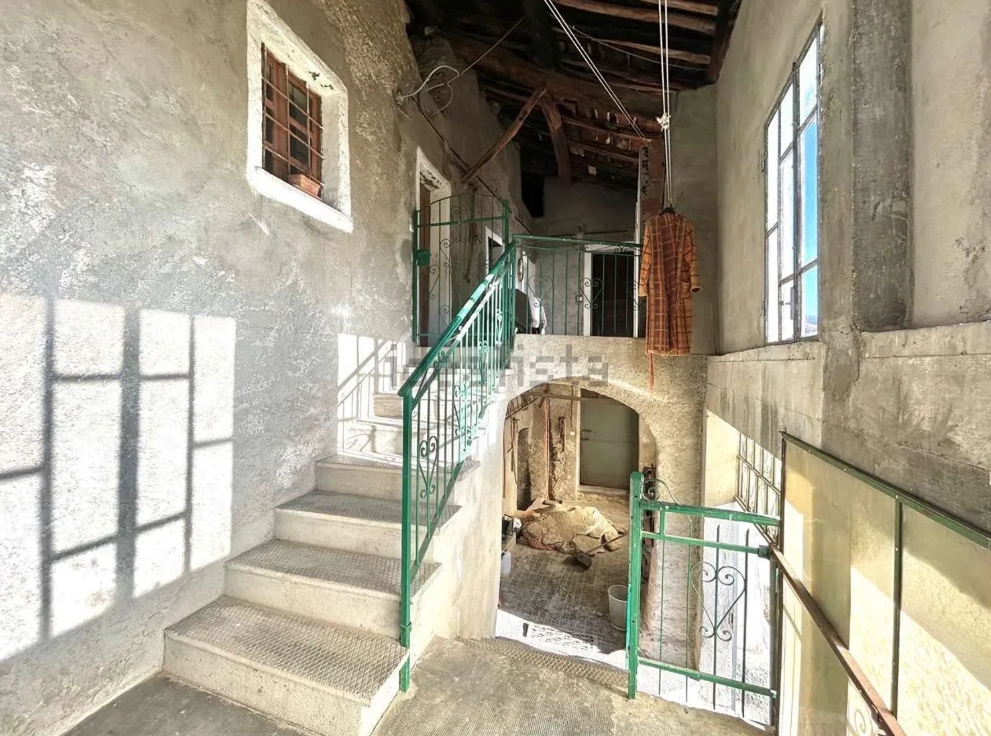
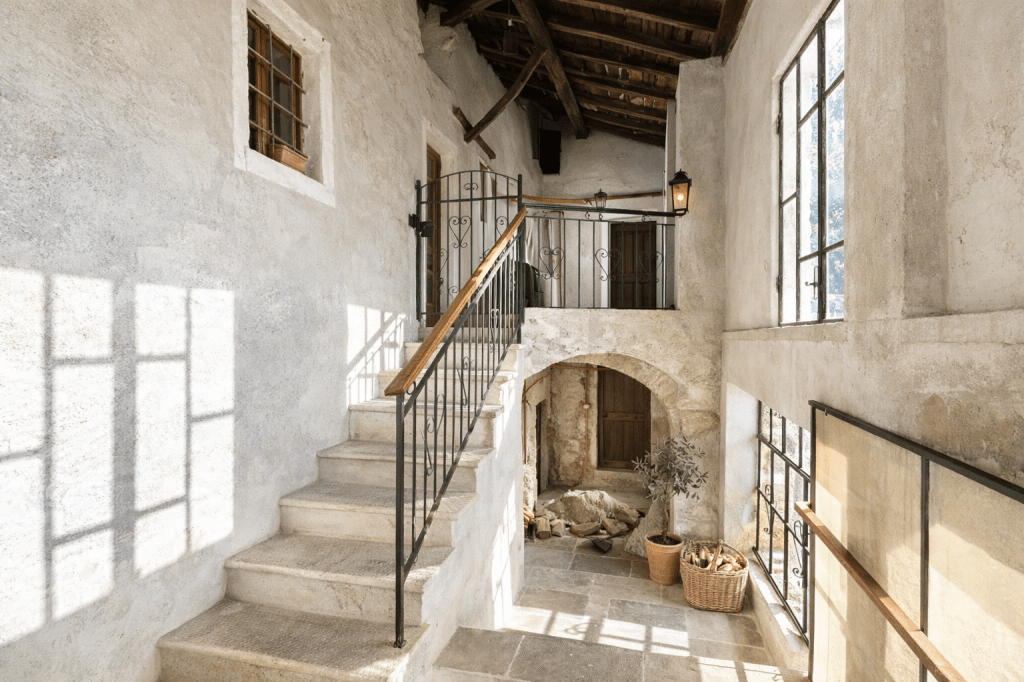
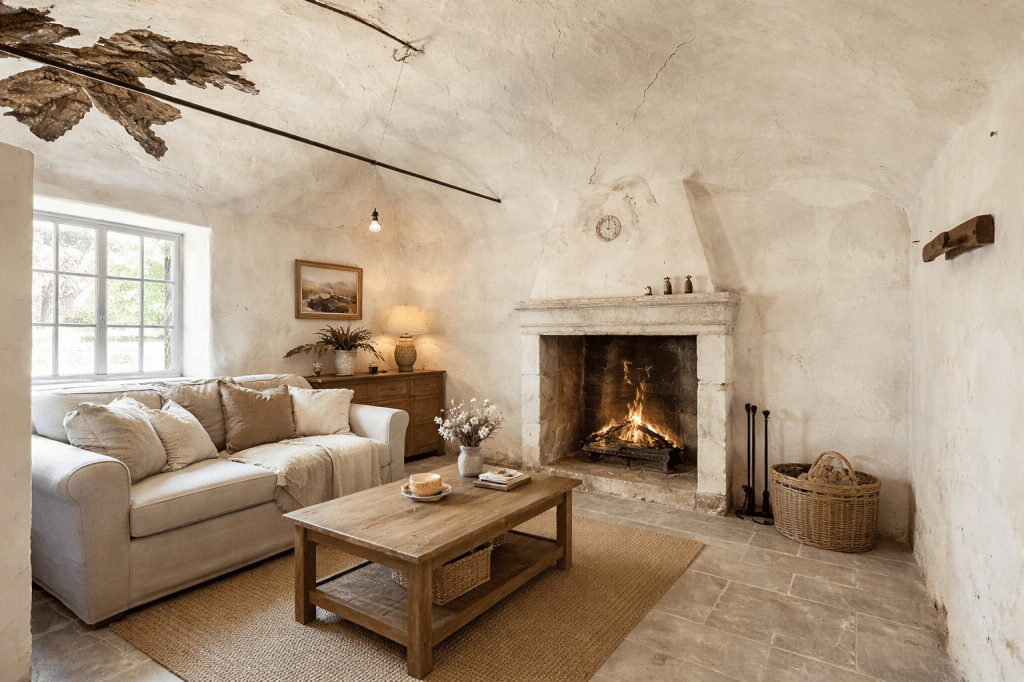
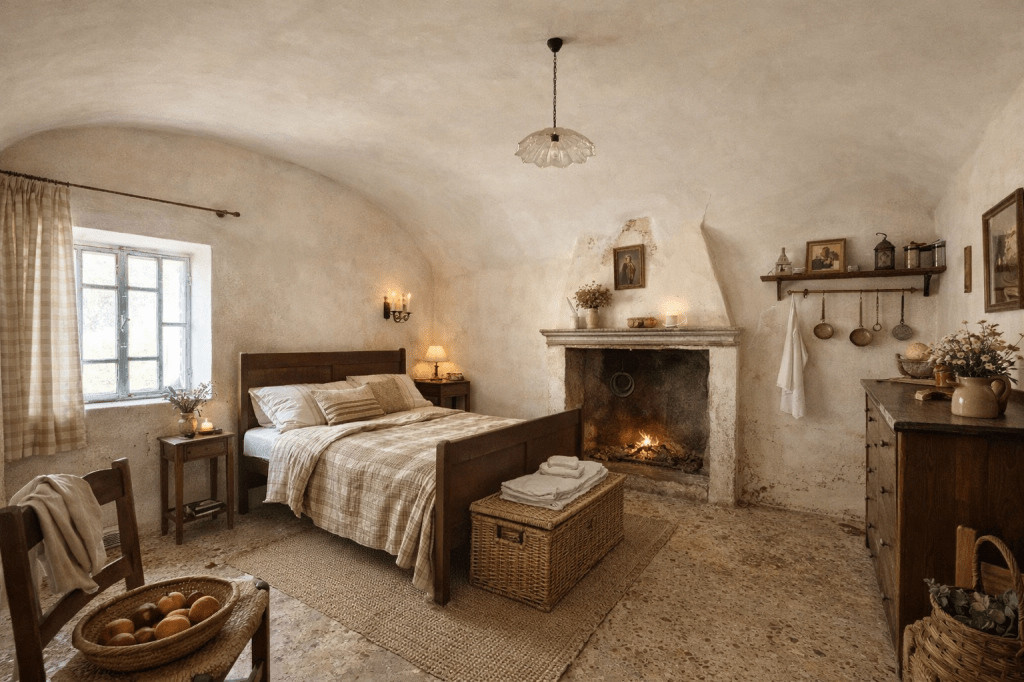
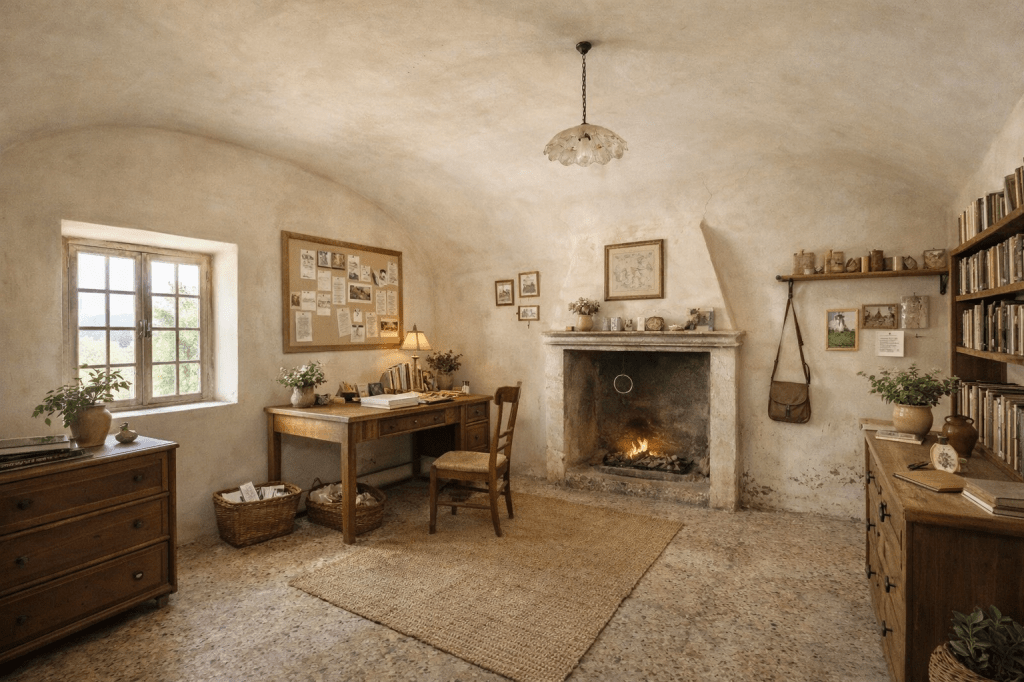
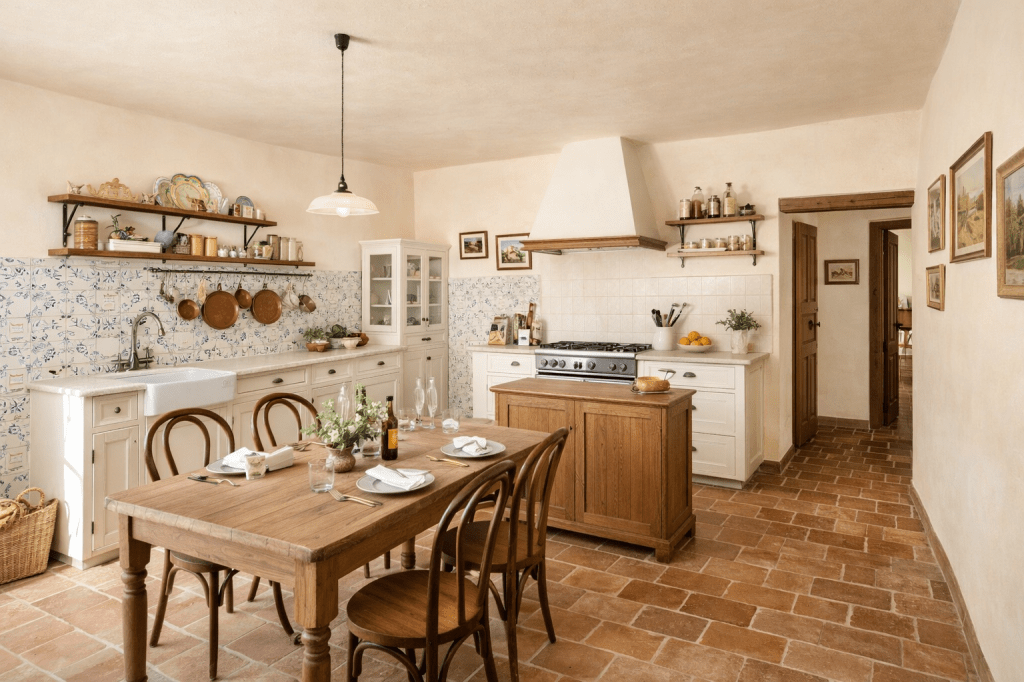
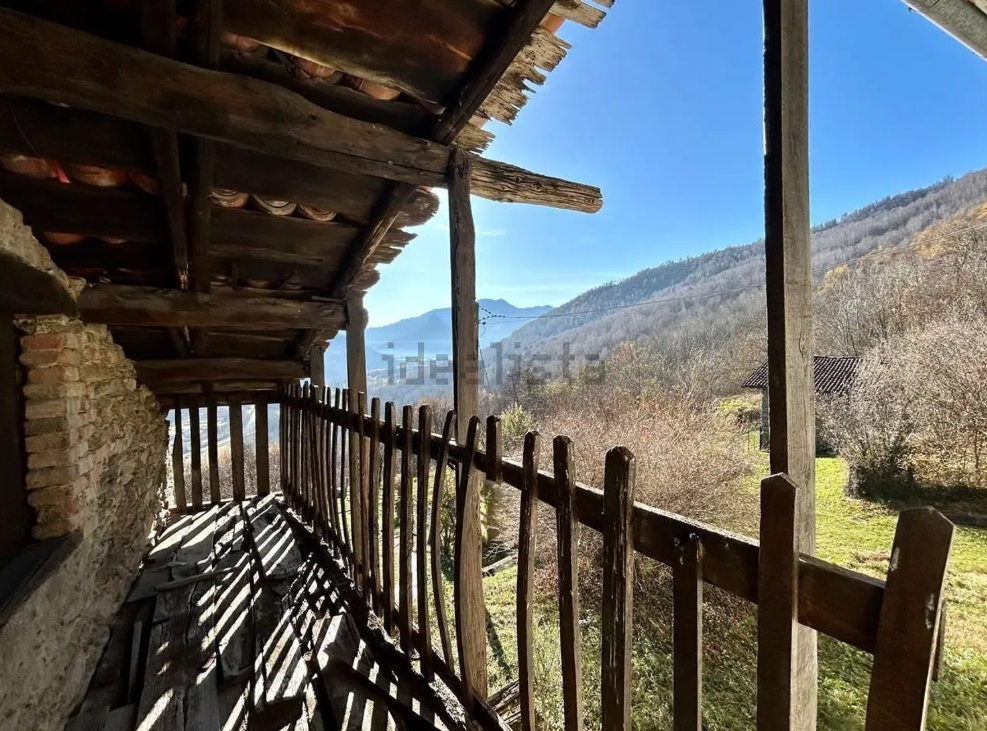
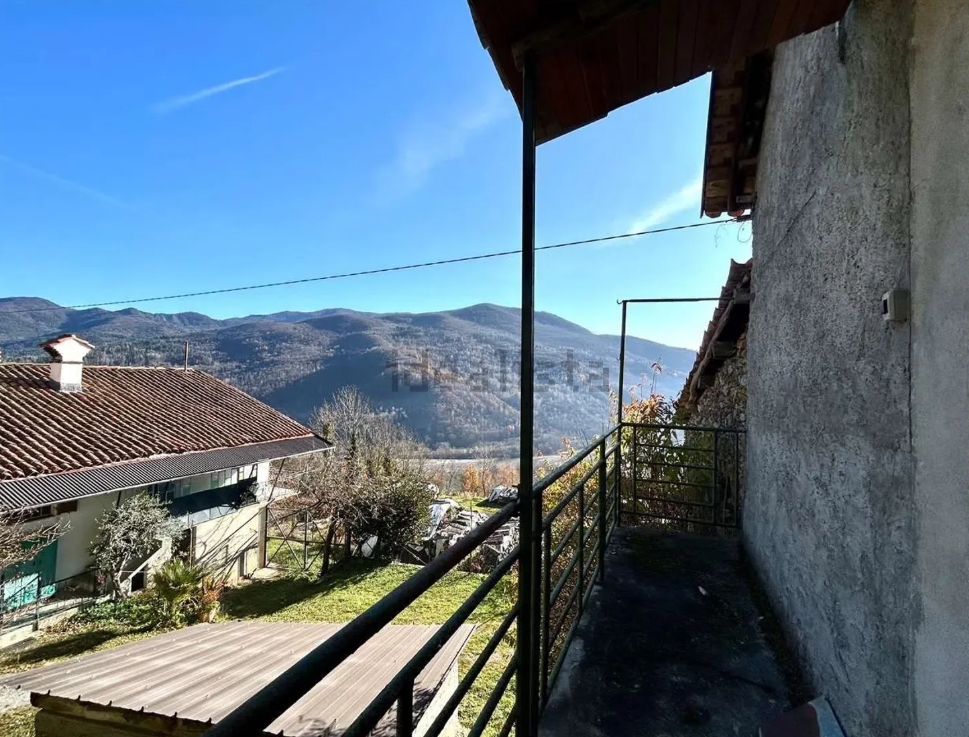
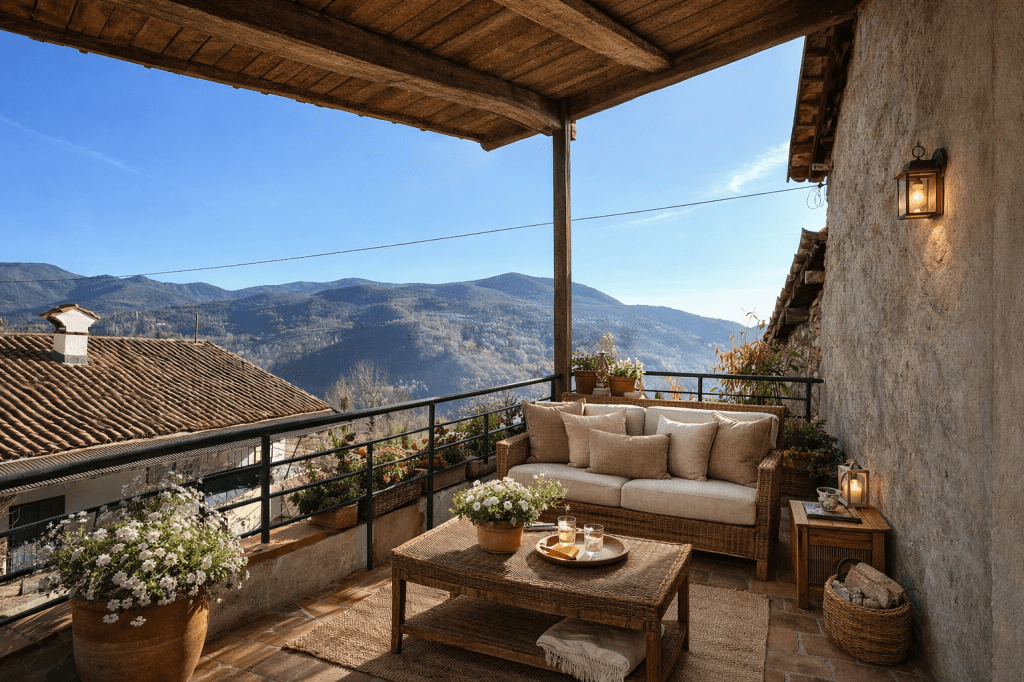
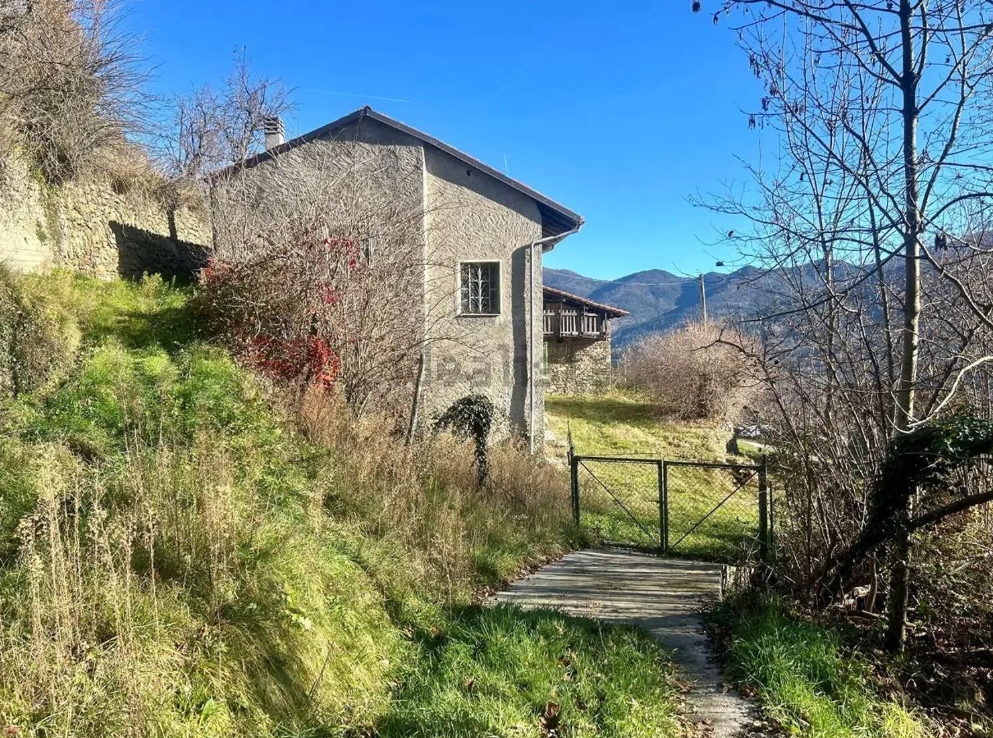
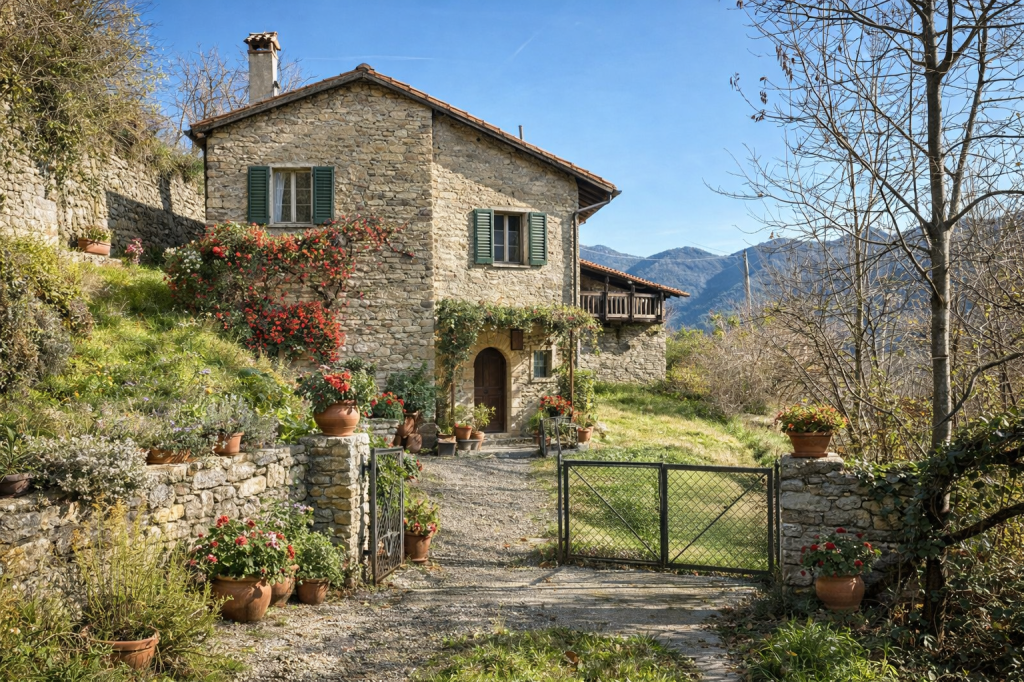
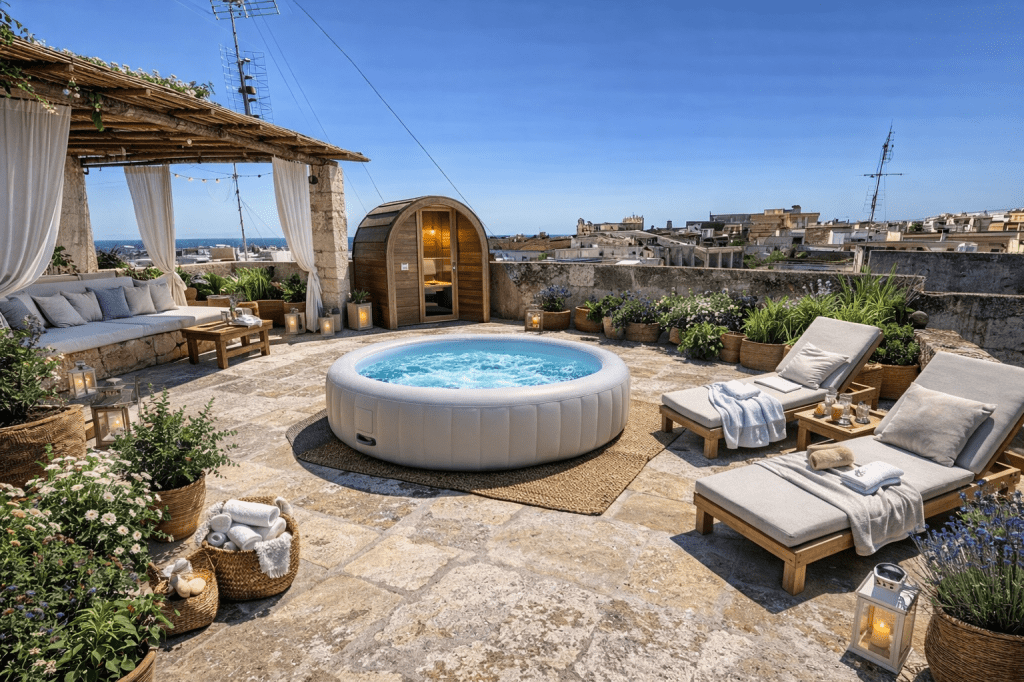
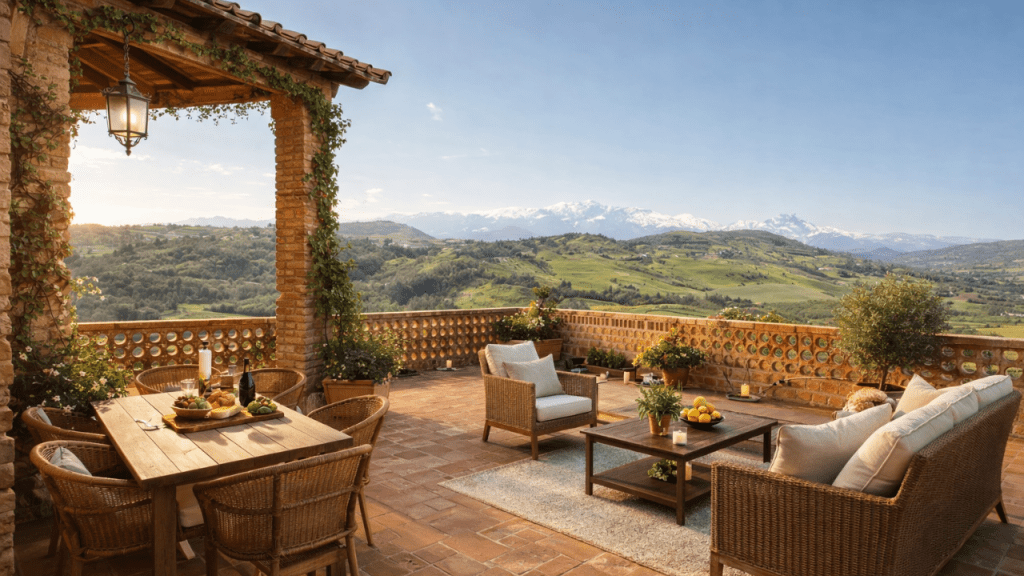
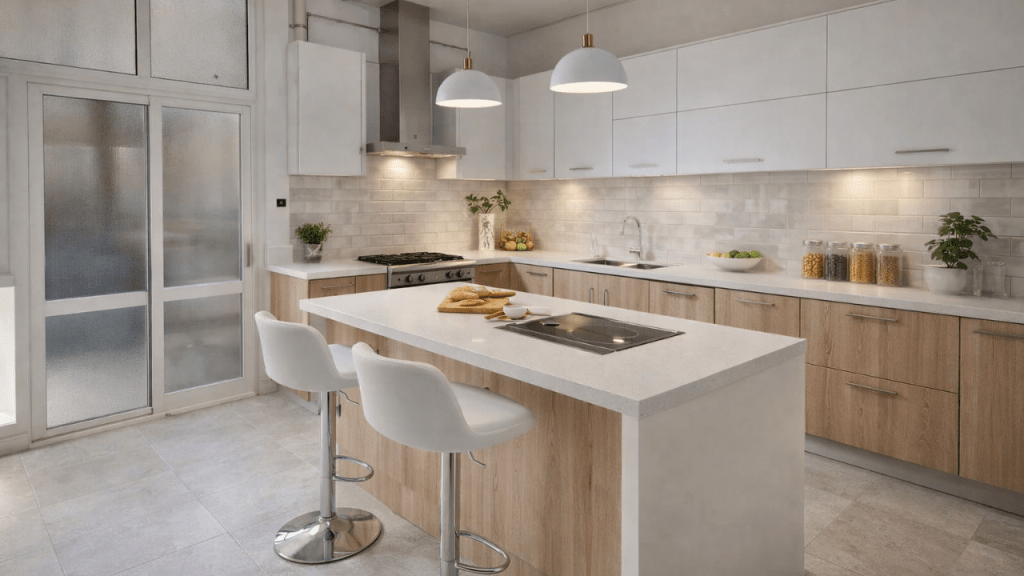
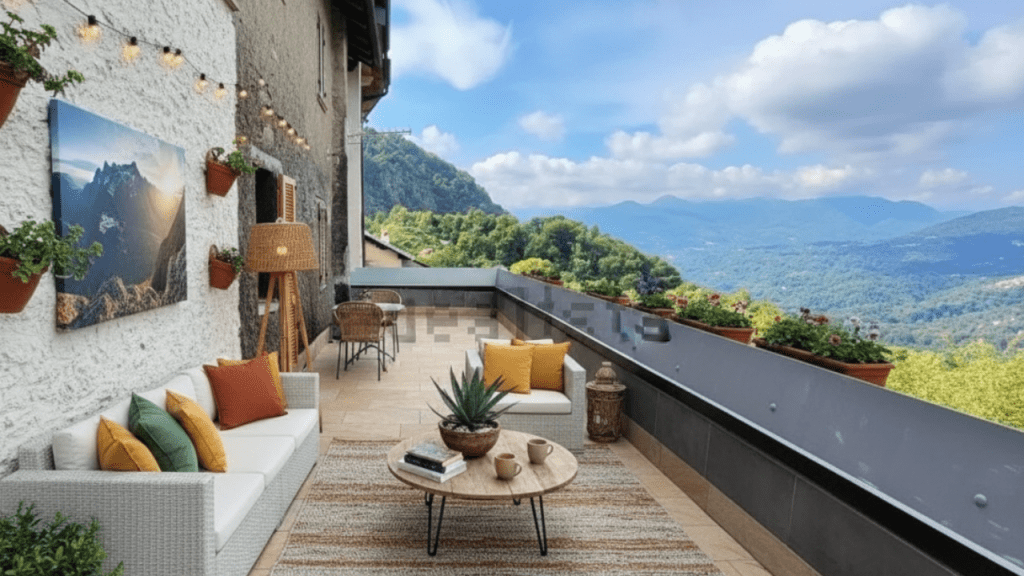
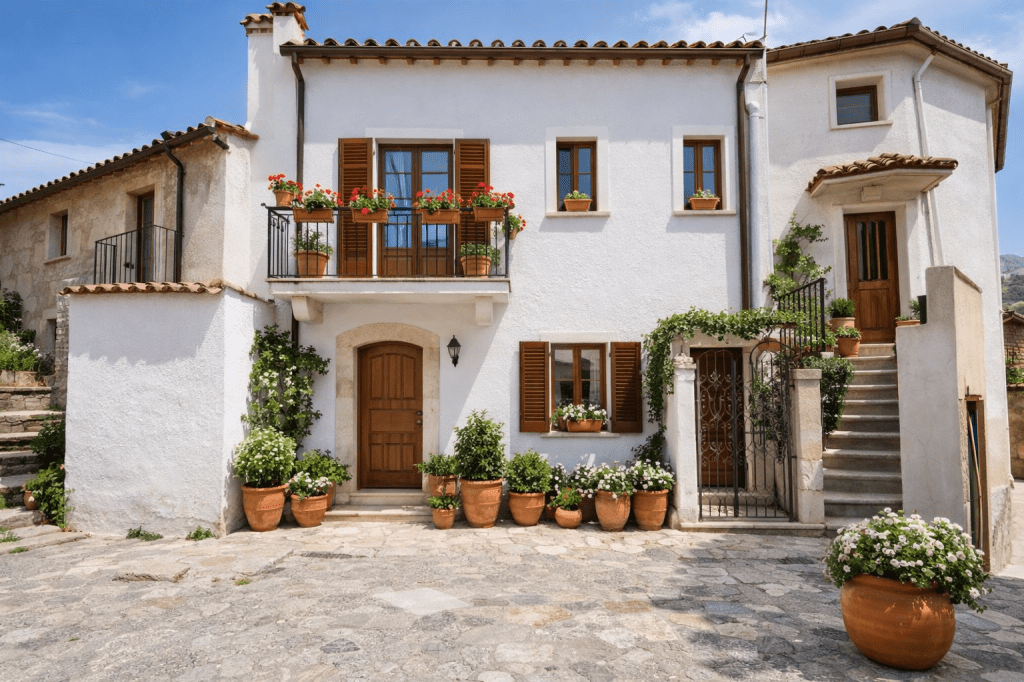
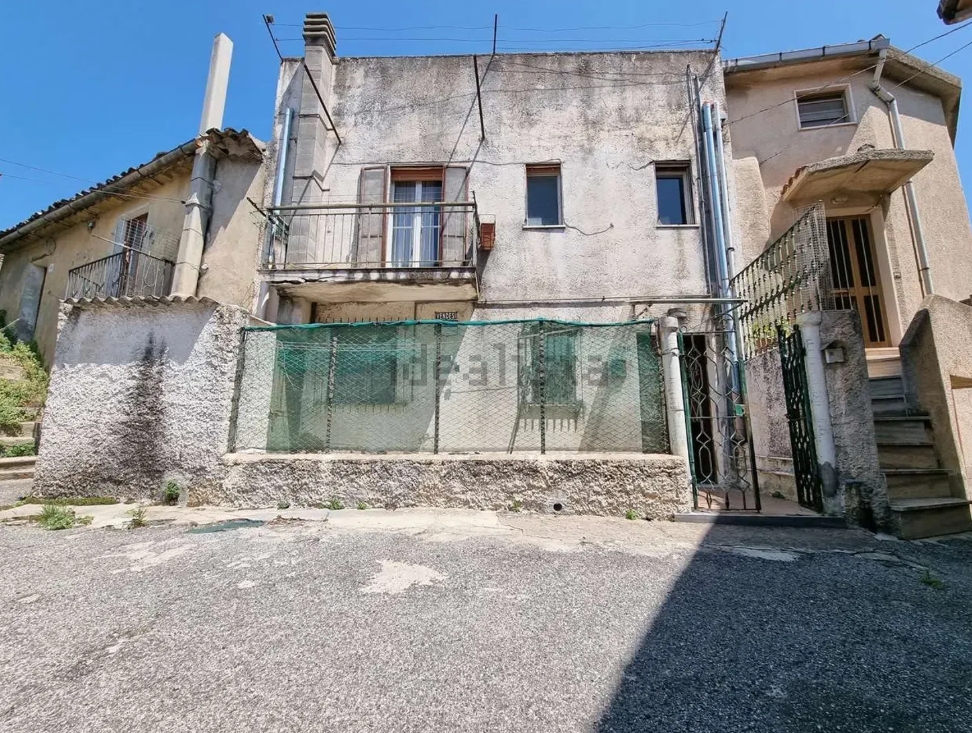
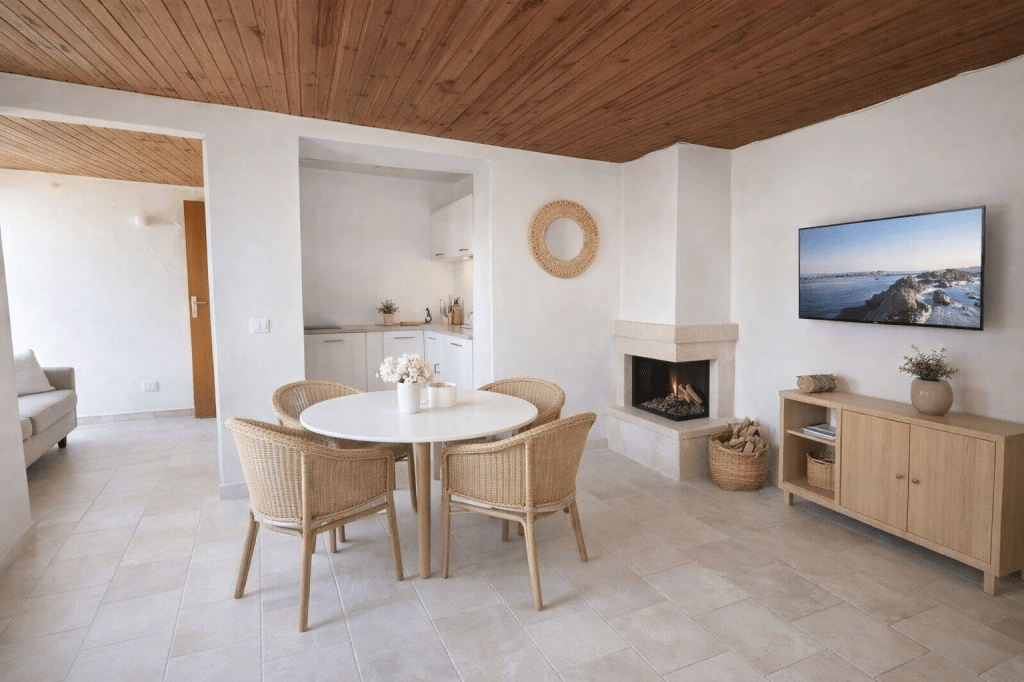
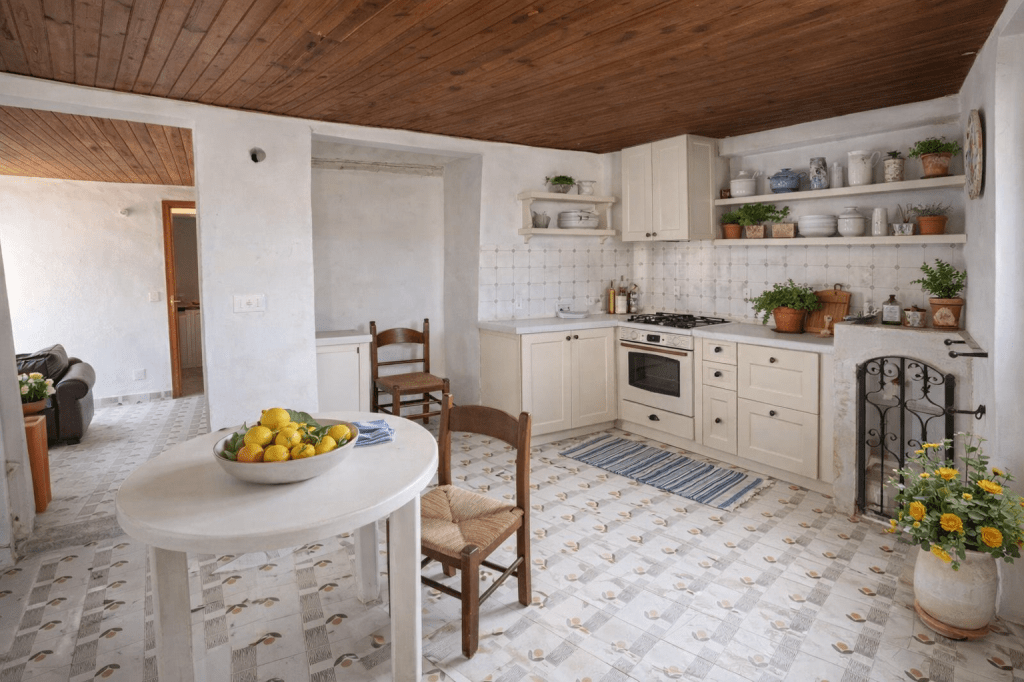
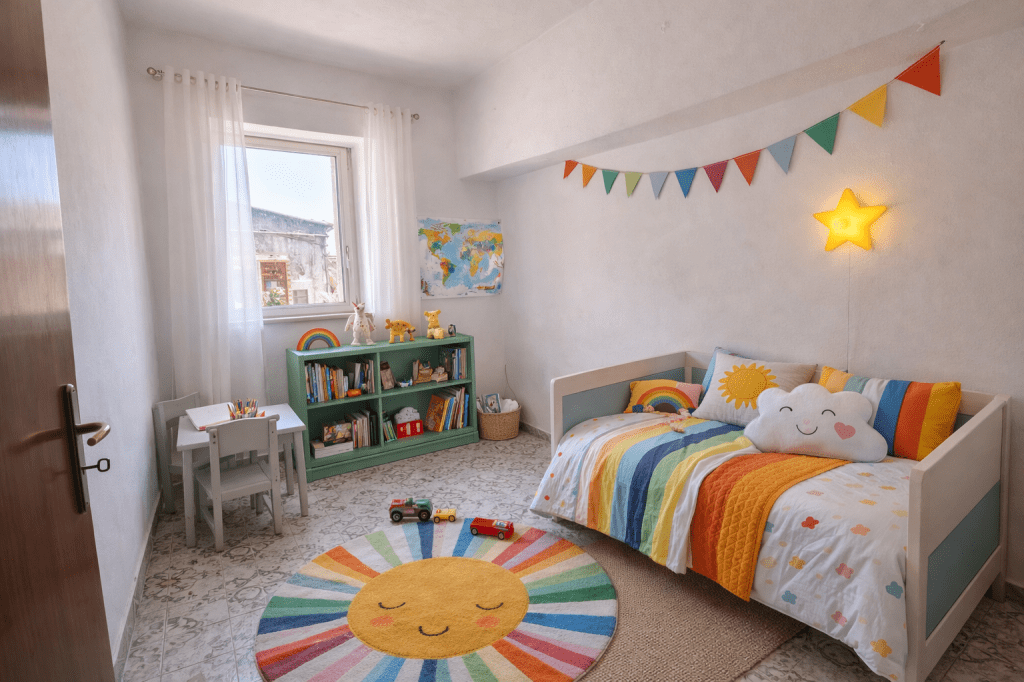
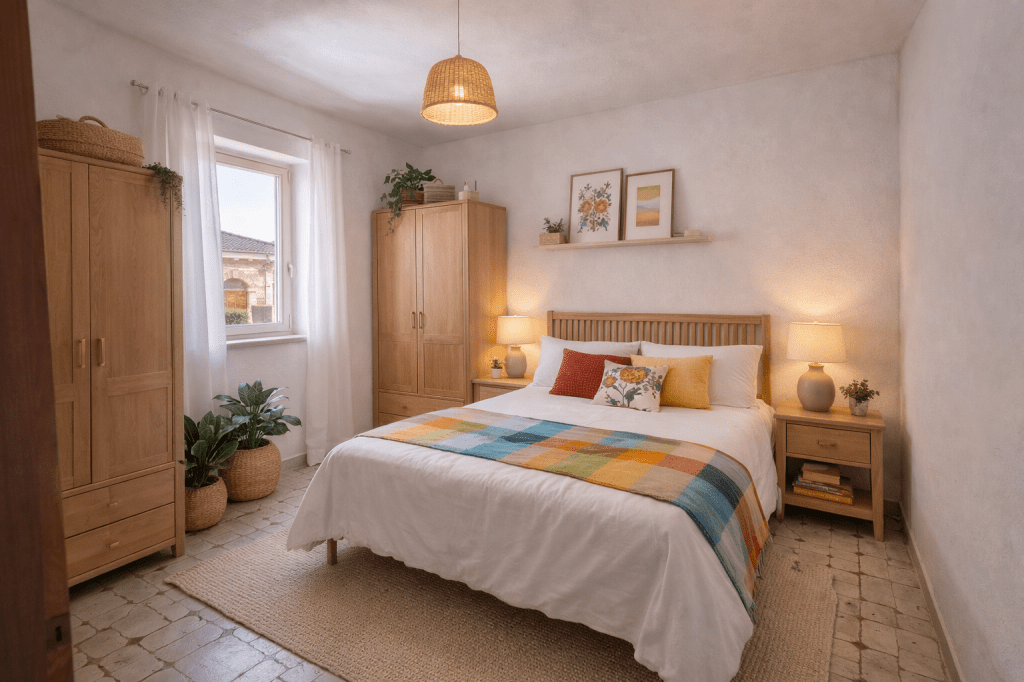
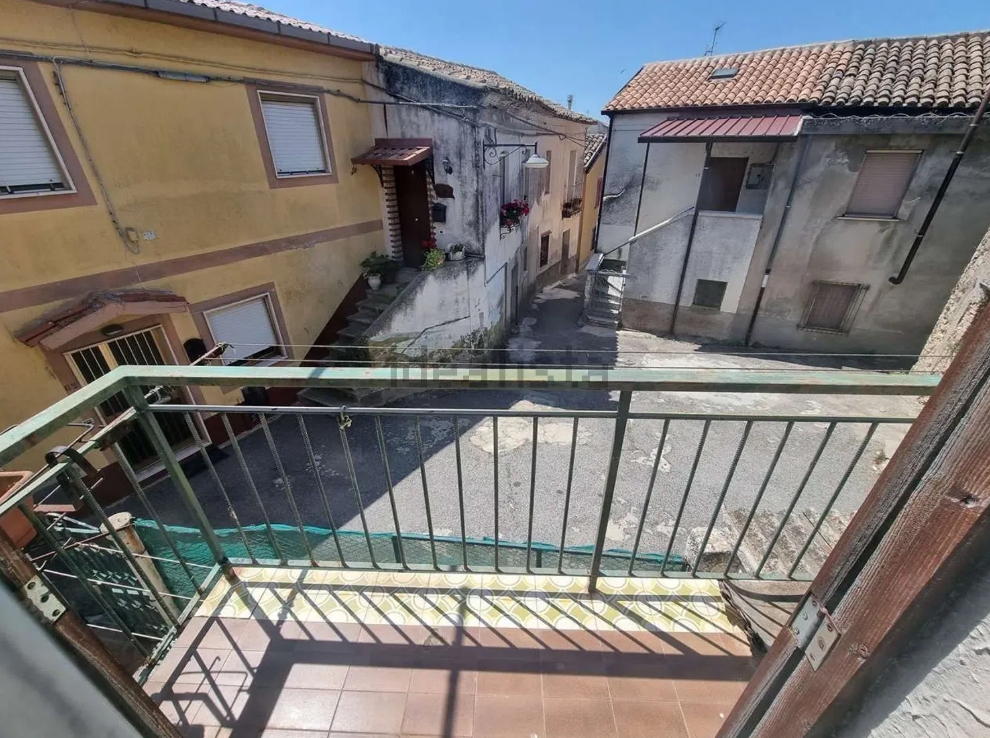
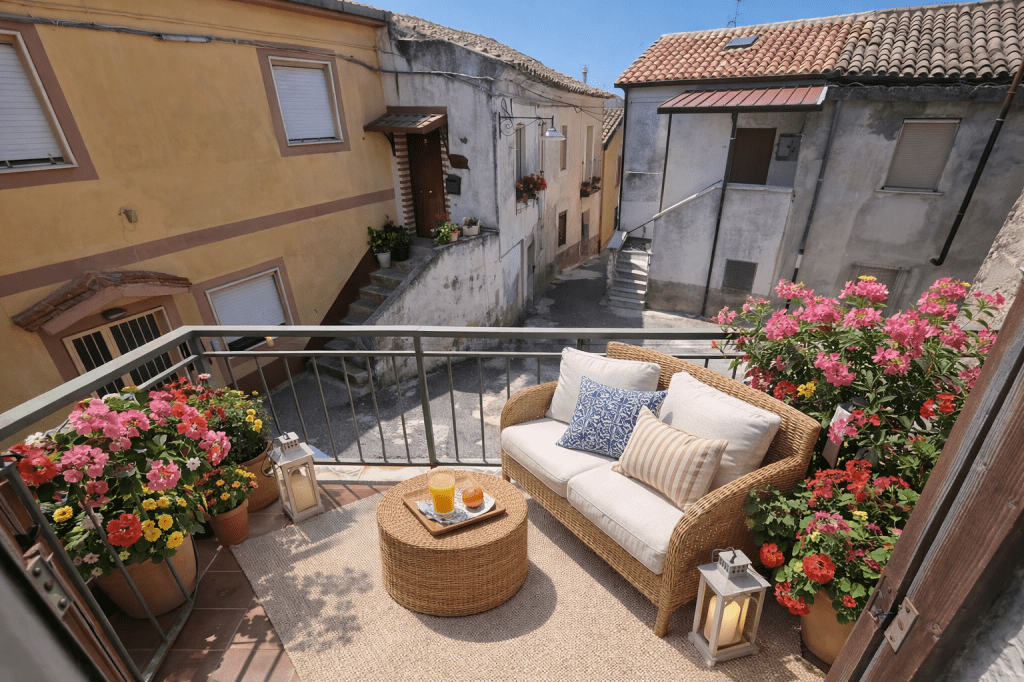
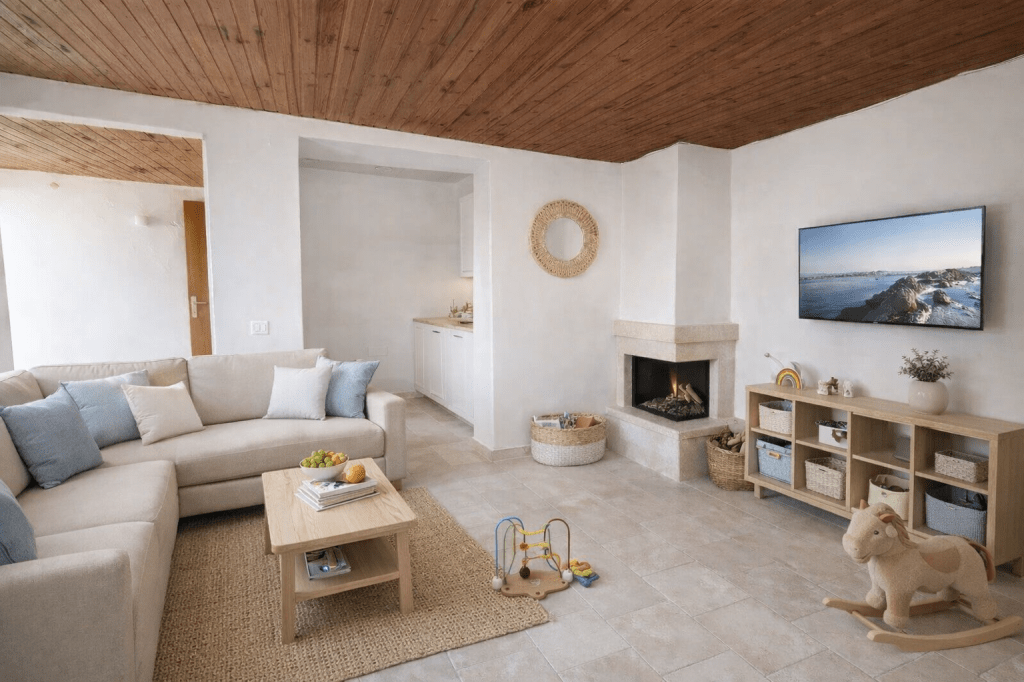
    Here are the results of the transformation of an old farmhouse which I absolutely love in Piedmont using ChatGPT and the prompt: “Please transform this room/barn/balcony into a bright, beautiful entryway/bedroom/outdoor living space/kitchen/home office.”

    What I love about these renditions is that many of them could feasibly be “diy” on a pretty reasonable budget, with the exception of the kitchen and the super decrepit barn. It’s also kept the rustic Italian style and colors (although in reality I might make the rooms a bit brighter.) I tried to keep this as low-cost and authentic as possible without needing any planning permission. One thing I didn’t like is sometimes the room dimensions are altered a bit. For example, the balconies became much bigger in the renditions.

    Please slide right on the slideshows.

    Original Listing ~ FARMHOUSE IN PIEDMONT.

    FARMHOUSE IN PIEDMONT

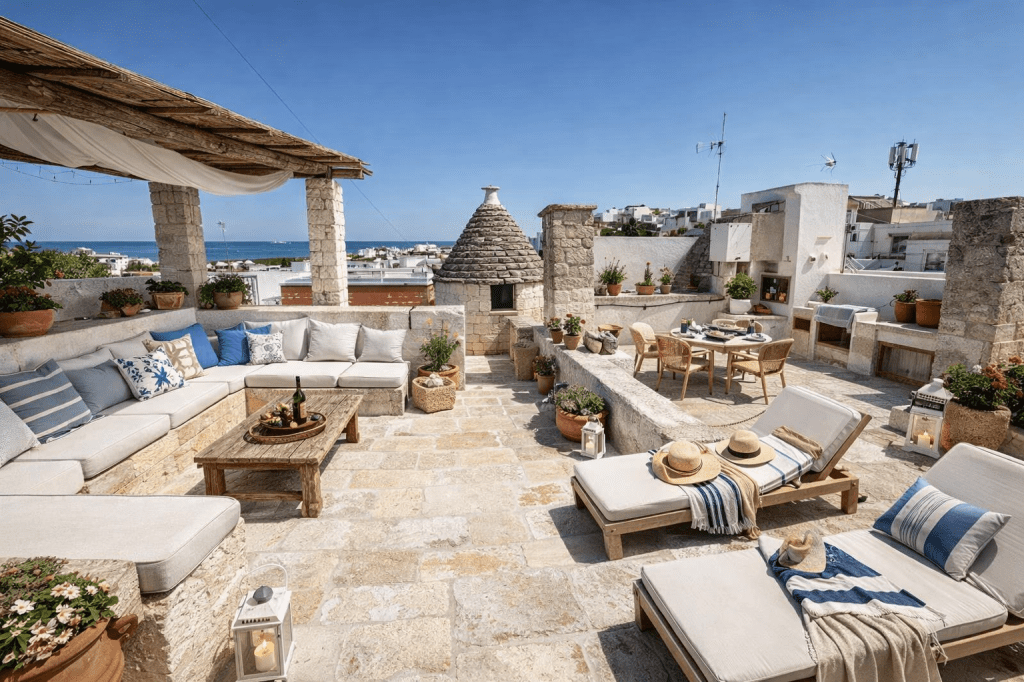
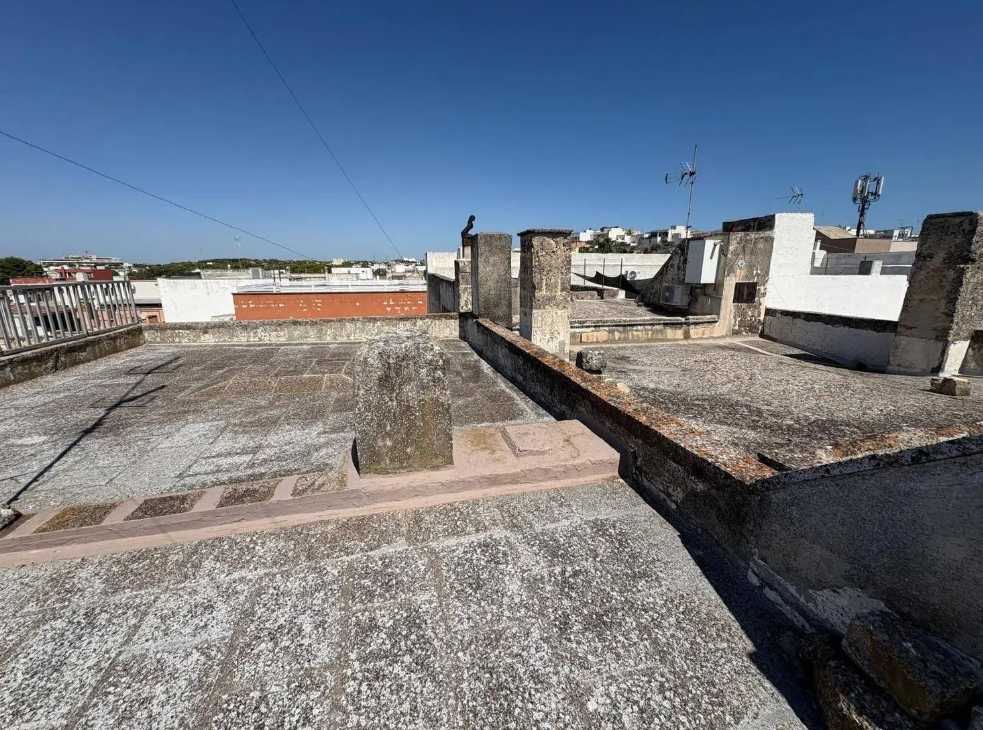
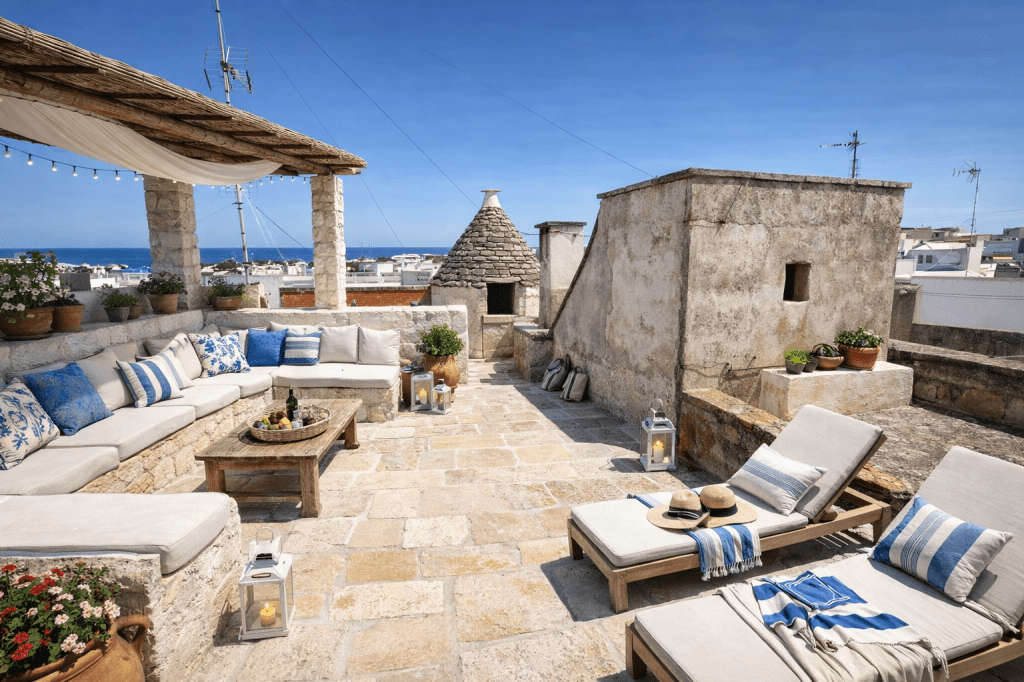
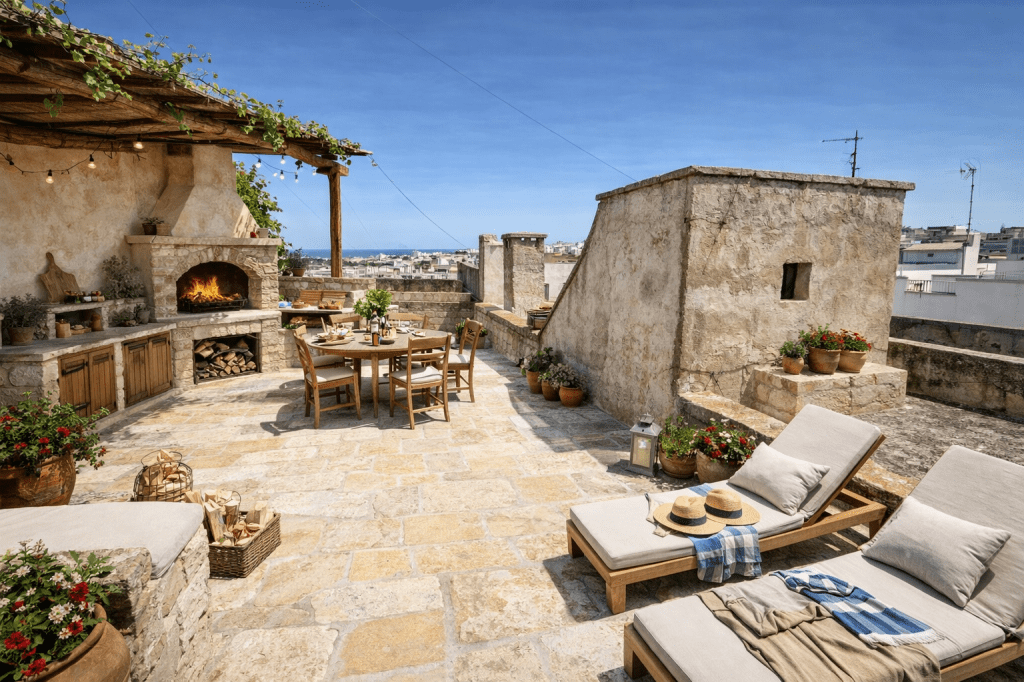
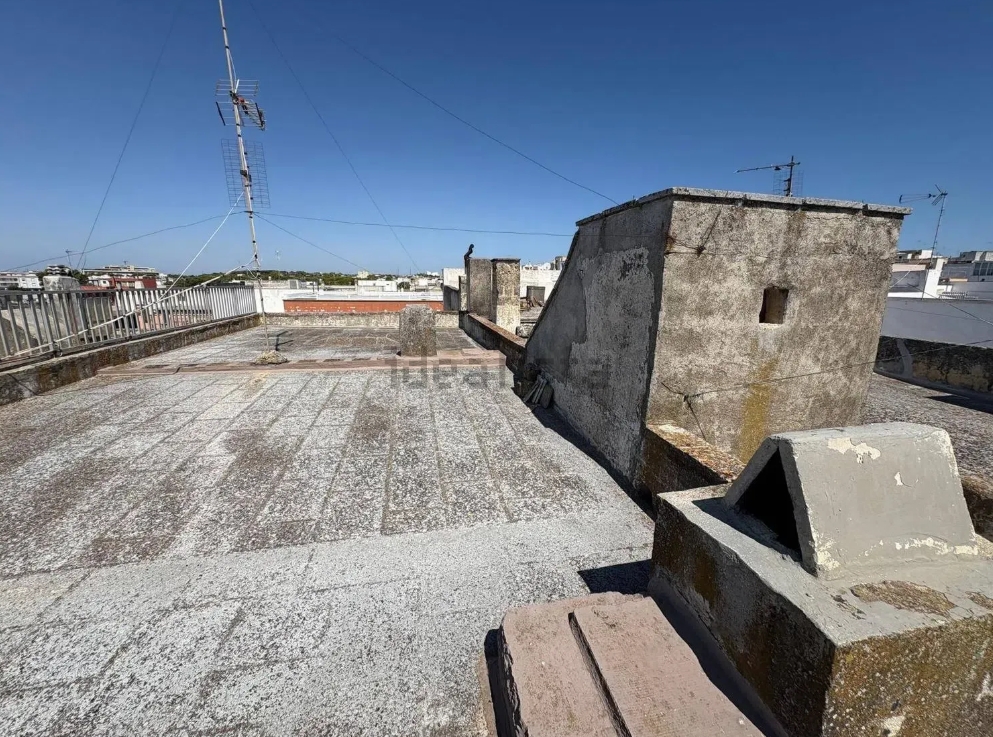
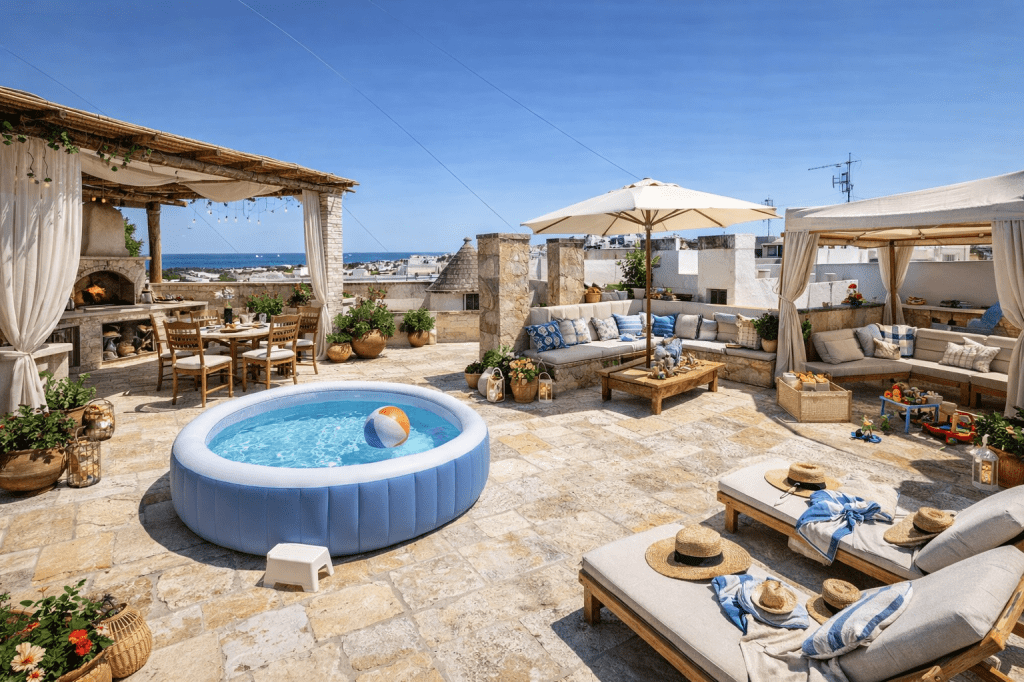
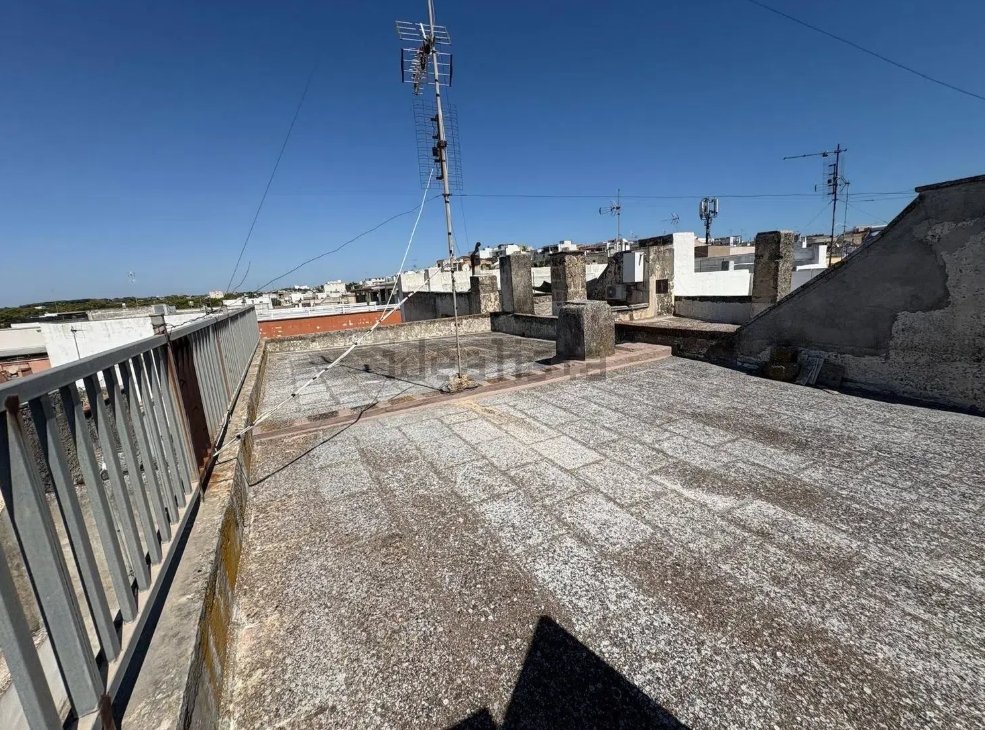
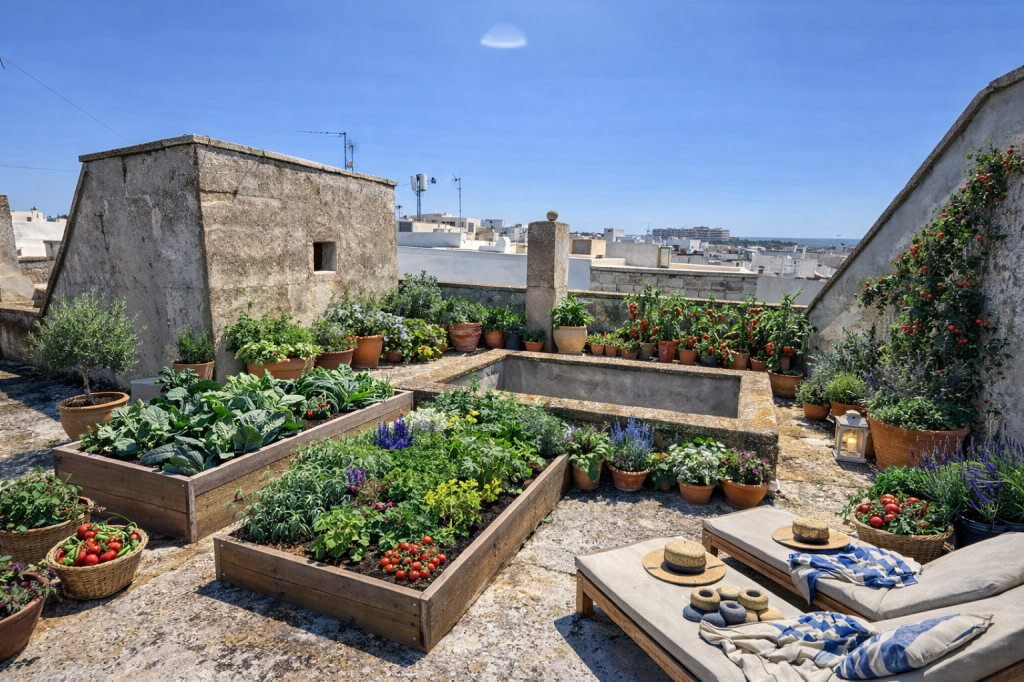
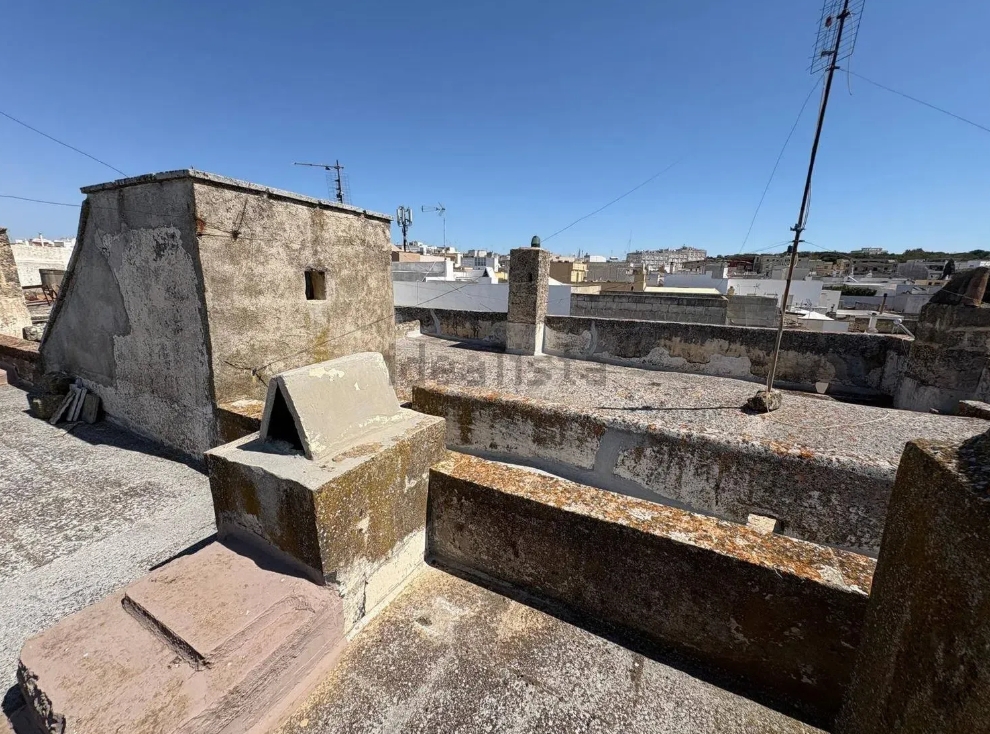
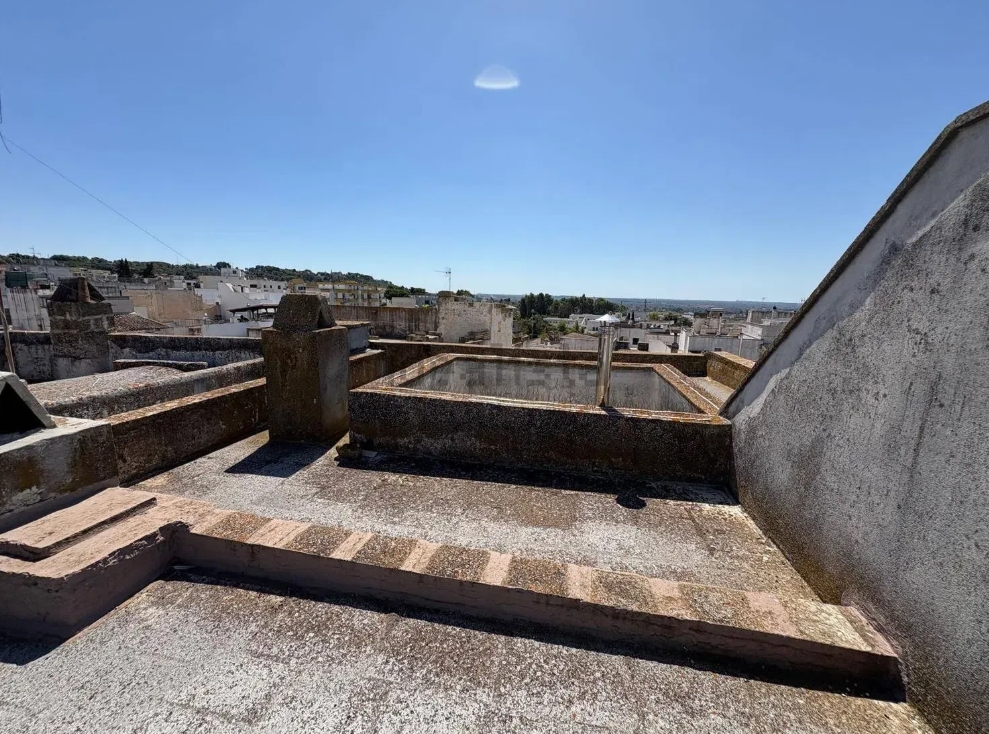
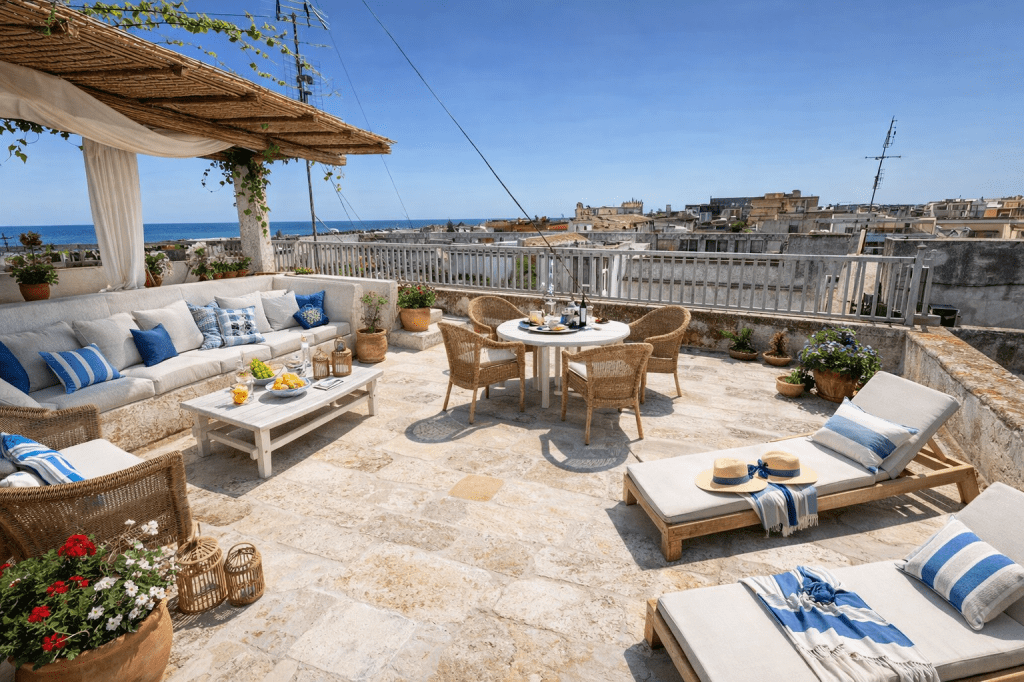
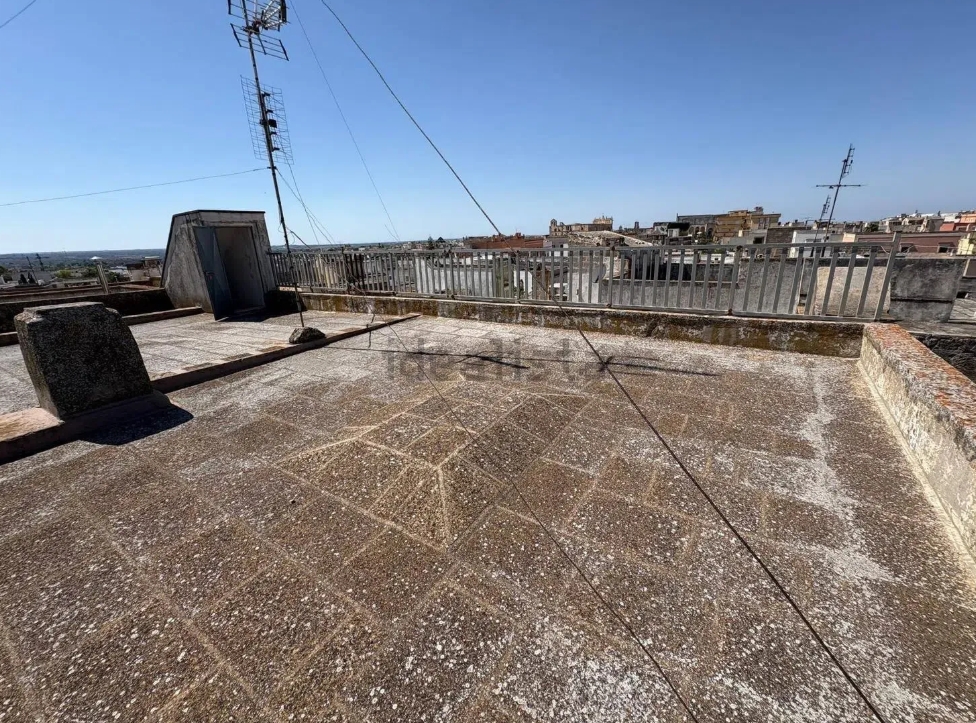
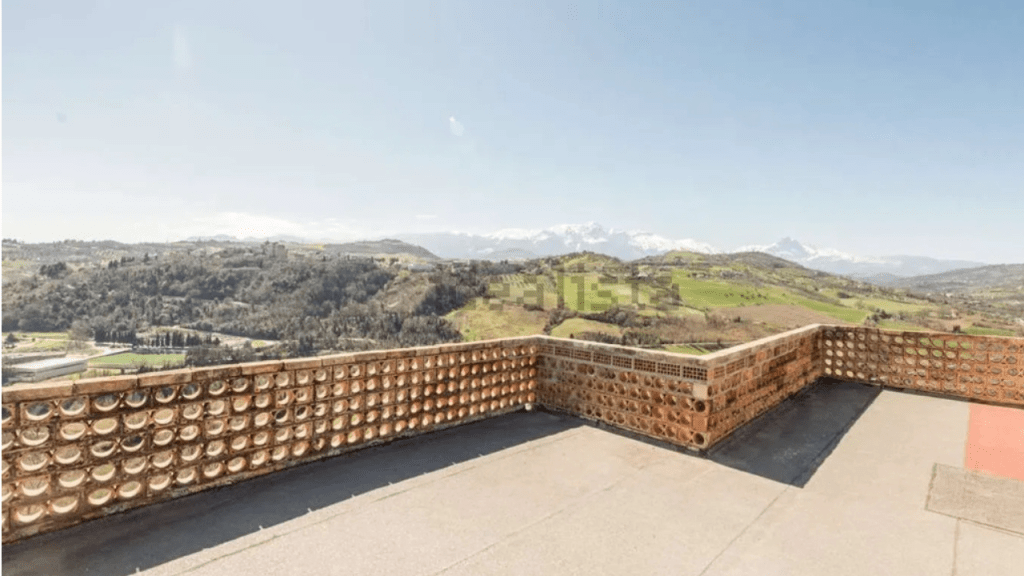
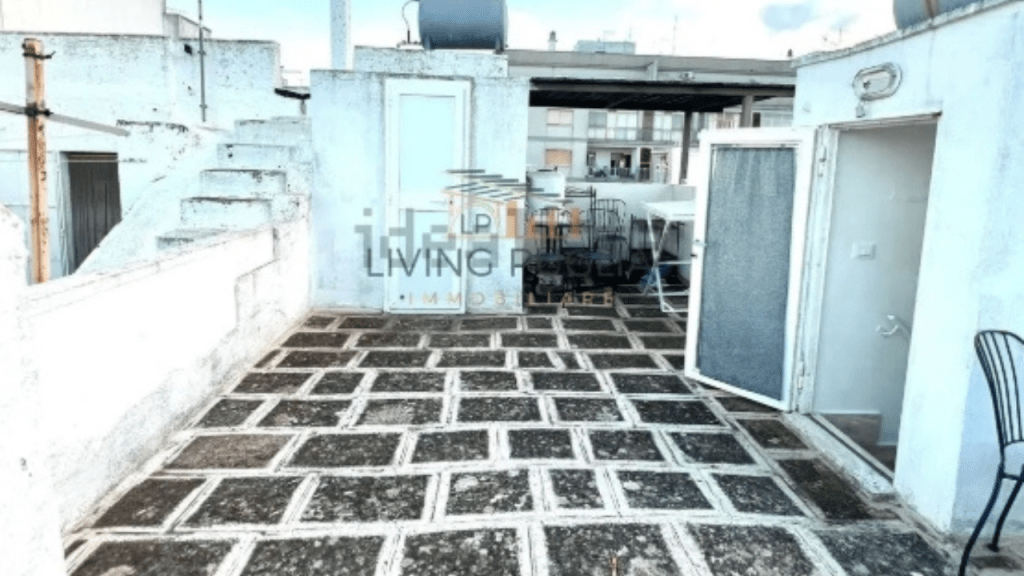
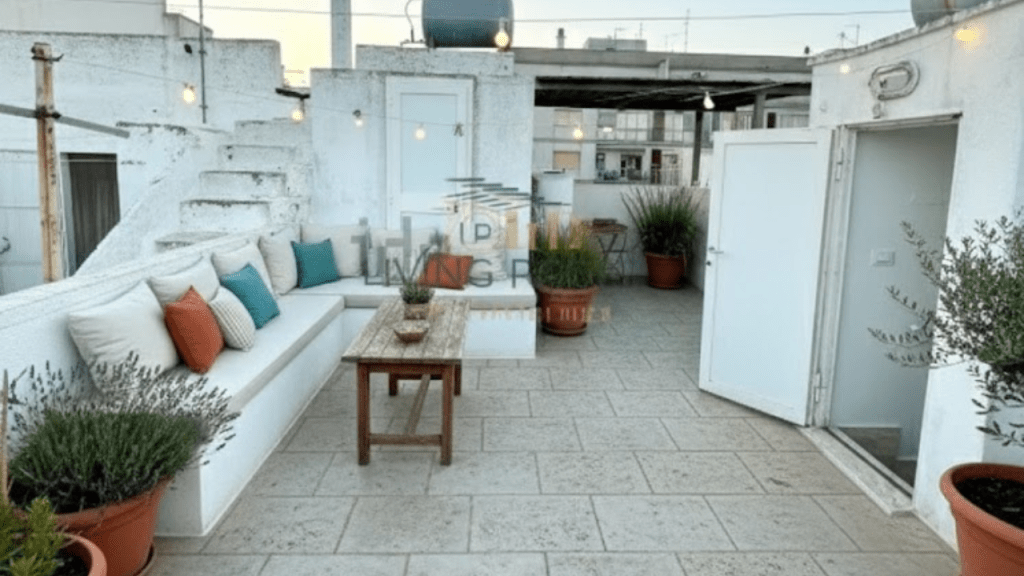
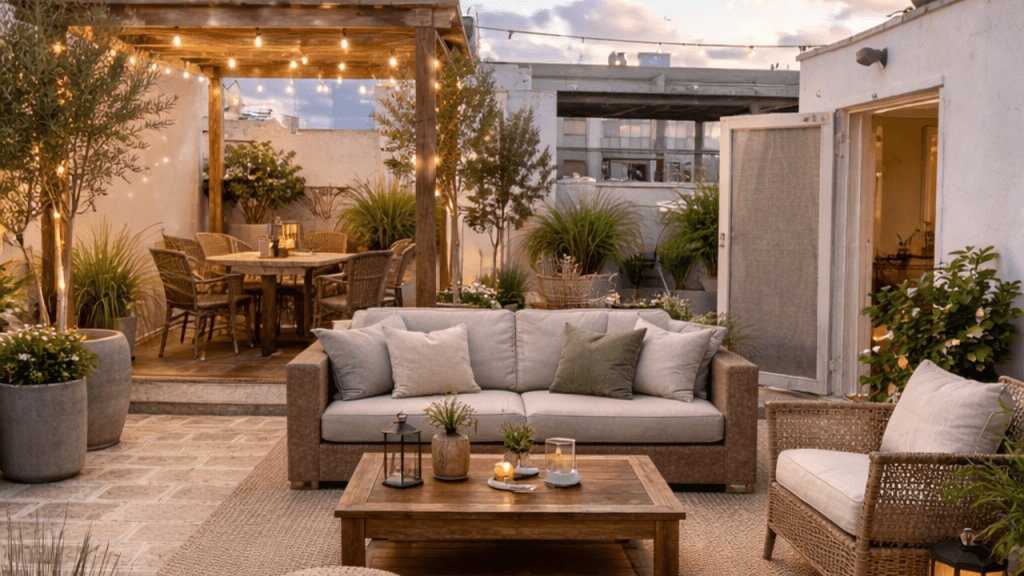
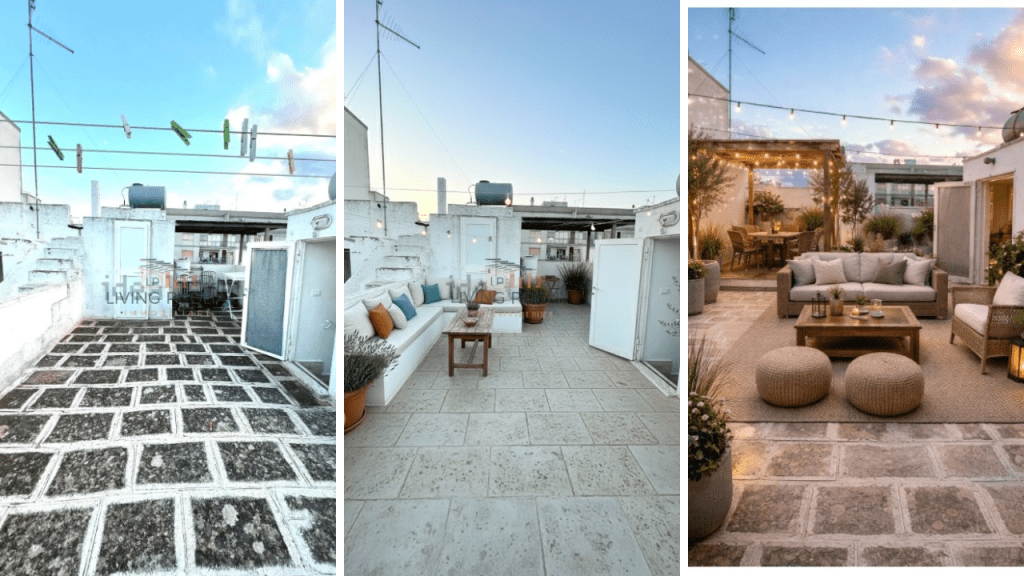
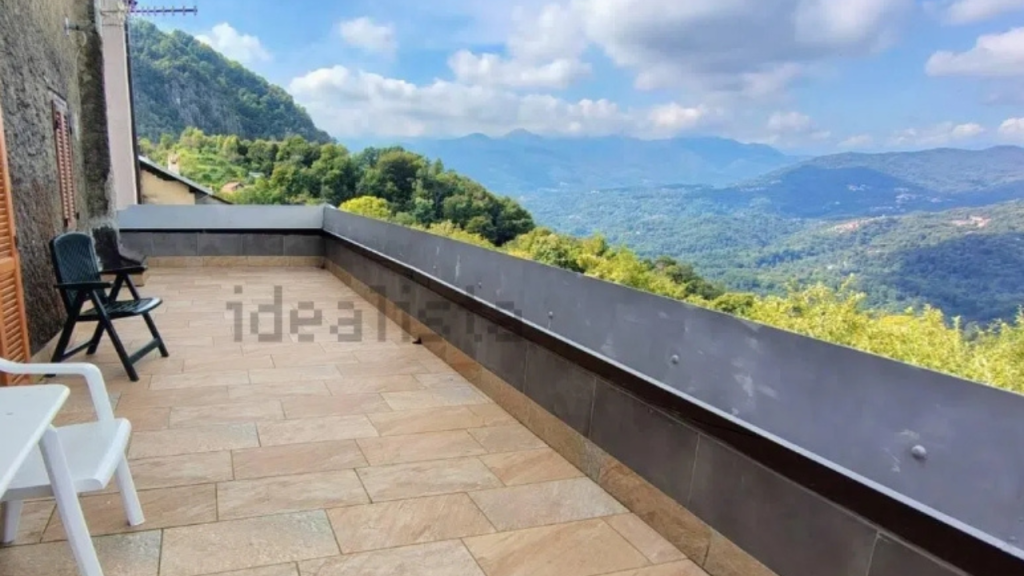
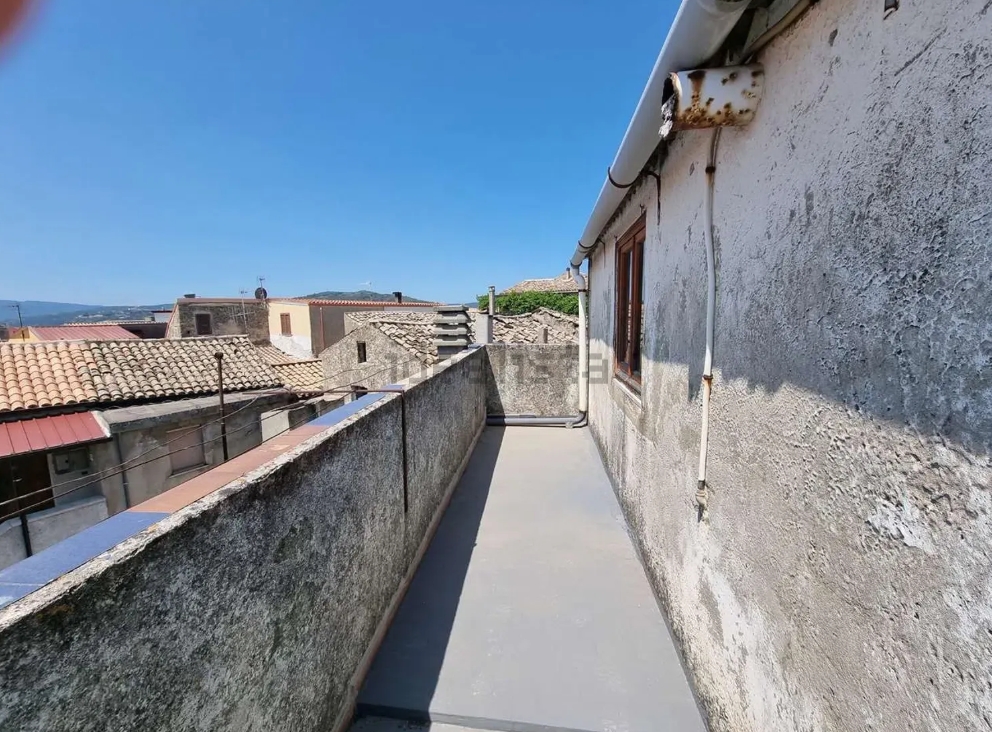
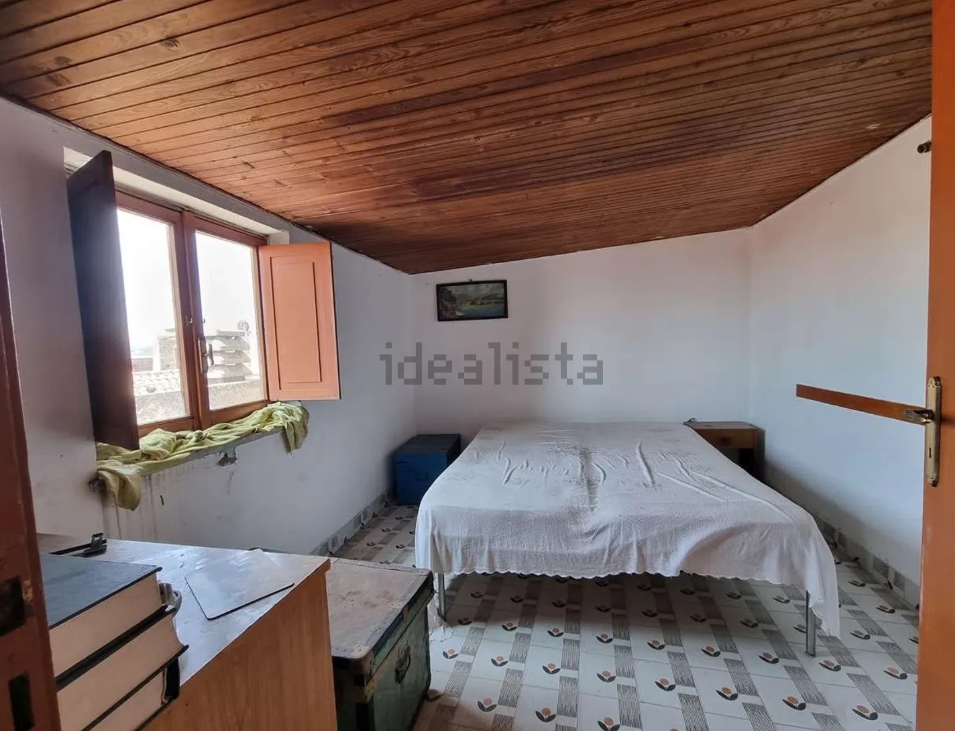
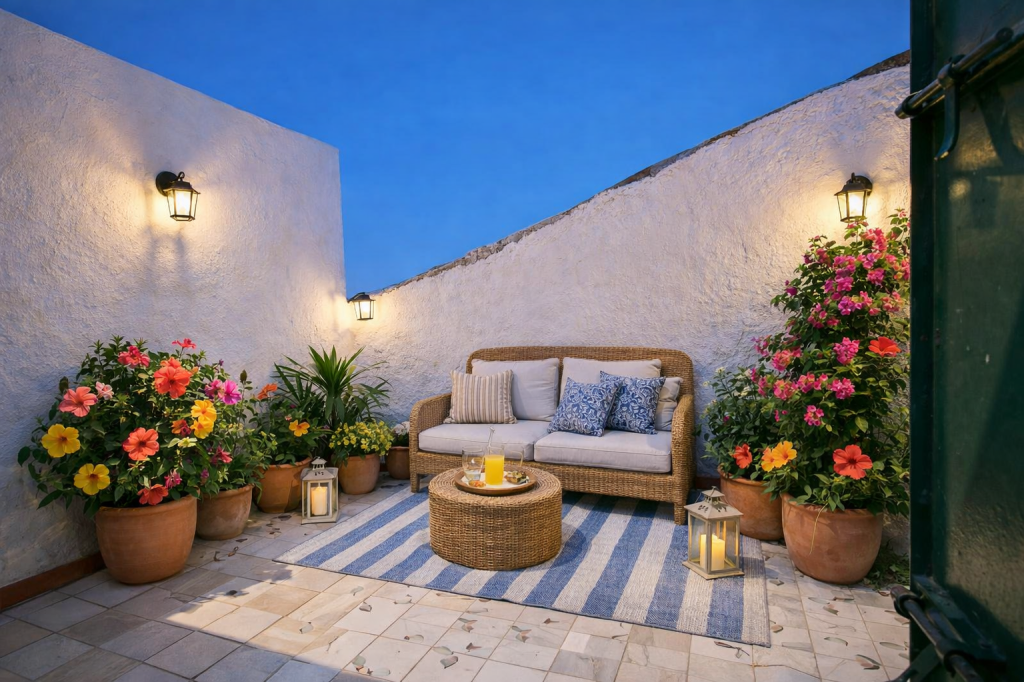
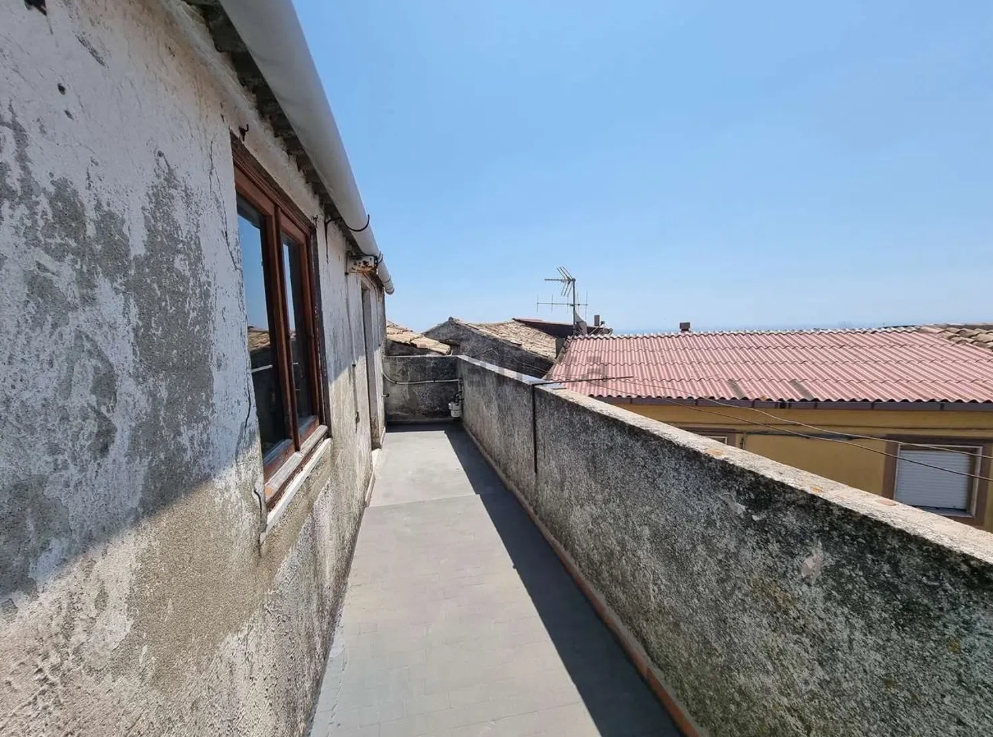
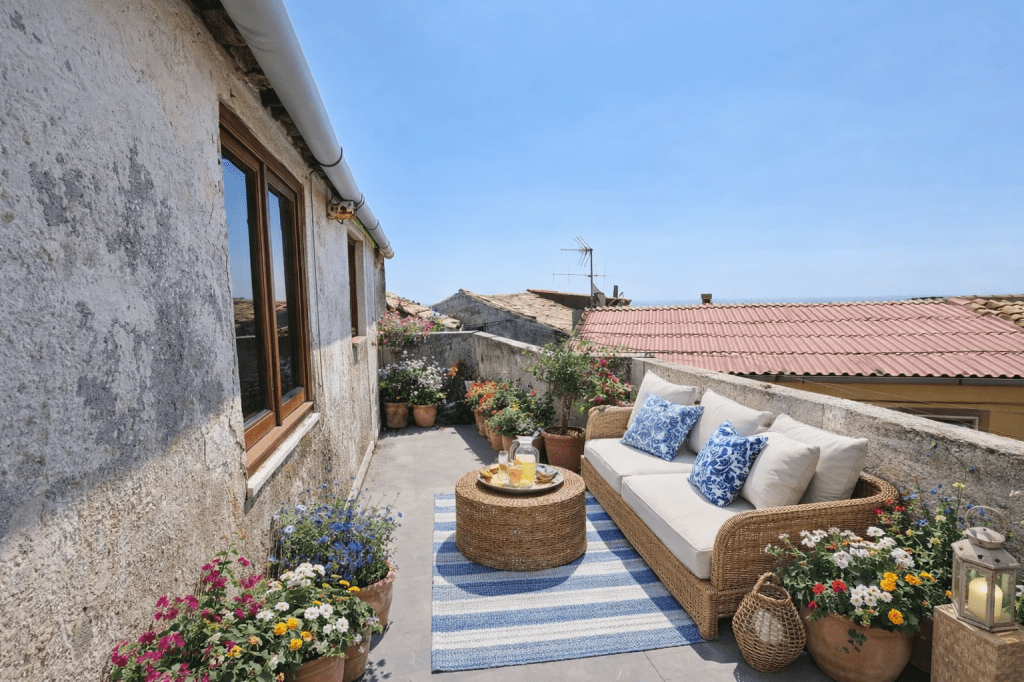
    The next slideshow if of a large roof terrace in Puglia just because there are lots of these and many of them look completely unused. ORIGINAL LISTING (Featured in Week 67 of Italian Homes <€150k.)

    Please note on “View #4” the two photos and their features somehow got combined so it’s not a straight rendition but good enough to get some cool ideas for that space.

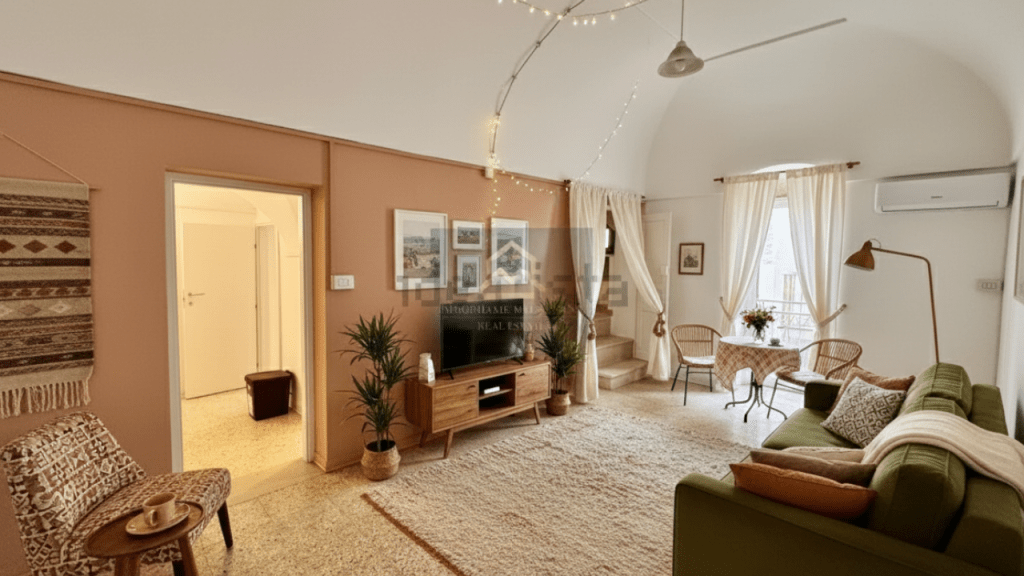
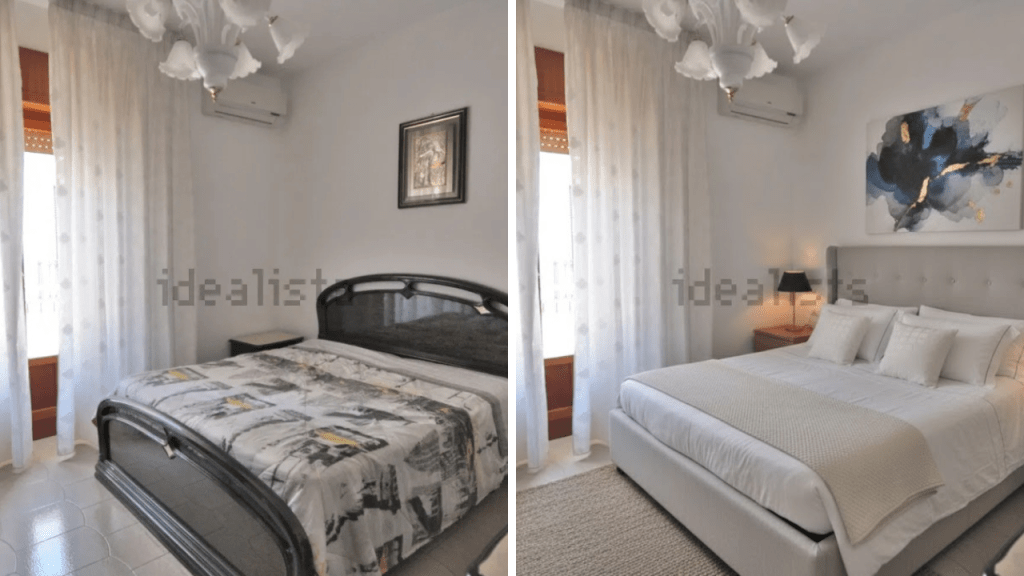
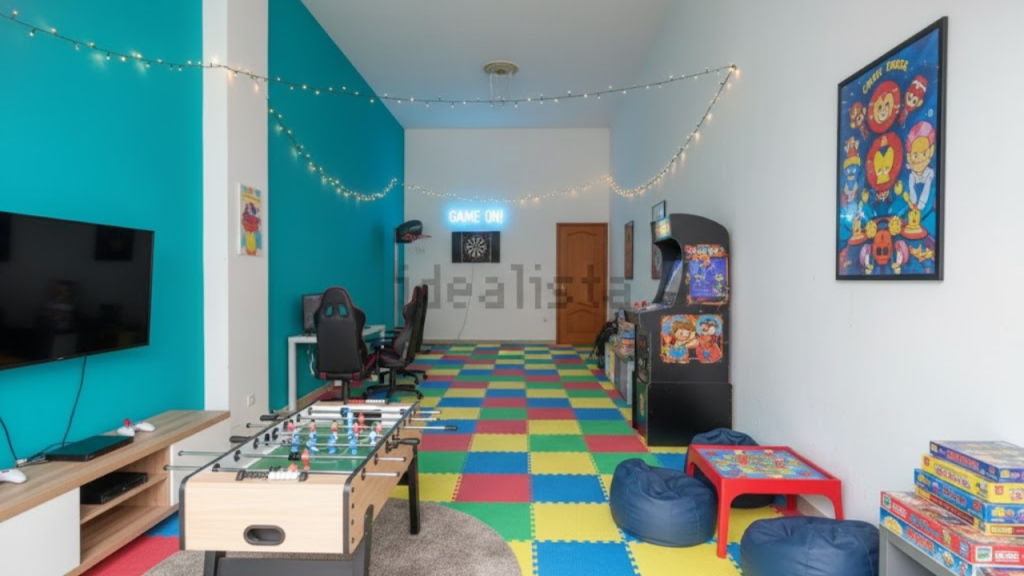
    The slideshow after that features several random photos I altered on ChatGPT and Gemini using these prompts: “create an elegant dining room/bedroom,” “create a beautiful terrace/outdoor living space,” “create a relaxing living room/game room,” “create a modern kitchen” and “create an inviting living space.” I didn’t get any more specific than that and each one took about a minute or two to generate.

    The last slideshow is a home in Staletti, Calabria which looks like it’s in an amazing location. The house is in good condition (especially for €50k!) and with a little imagination, could be transformed into a very enviable home! ORIGINAL LISTINGSTALETTI WEBSITE

    ROOF TERRACE in PUGLIA

    VARIOUS PROPERTIES

    HOUSE IN STALETTI, CALABRIA

    ~~~~~ // ~~~~~

    On the free version of ChatGPT, there was a limit of 8 photos per 24 hours without upgrading to the $20/month plan. There didn’t seem to be a limit on Gemini, but I didn’t like it as much.

    I would definitely upgrade to the paid version of ChatGPT if I were seriously buying a house that needed these rendering. I used the free monthly upgrade trial, and it was pretty much the same speed and quality – but with no limits to how many images you can generate a day. As mentioned before, each image takes about a minute or two to generate.

    I tried to keep the “renovations” as simple and affordable as possible without the need for an architect, geometra or planning permission. Also, with little need for professional help apart from the kitchens and some of the more decrepit cellars.

    There are literally thousands of incredible homes for sale in Italy – especially under €150k – and many just need some “vision and love” to transform them into something really special – and also to increase their resale value. I think this is such a great tool to help with visualizing their potential!

  • What’s a Codice Fiscale? Why do you need one? Why do some people say they are “tricky” to get? This is a quick insight on how to get one very easily.

    A codice fiscale (or CF) is an Italian tax number – similar to a social security number in the US. It’s free and anyone can get one, both Italians and foreigners. You can either apply at an Italian consulate in your country, in person at any Italian Revenue Agency (Agenzia delle Entrate) or through a service. for around €100.

    You’ll need this to:

    ~~ Make an offer on a property
    ~~ Apply for a one-euro house
    ~~ Close on the purchase of a property
    ~~ Put utilities in your name and set up online payments
    ~~ Pay property taxes (IMU)
    ~~ Open a bank account (residents only)
    ~~ Possibly for vehicle related things (I don’t have any experience with this)

    Getting this early means when you do find the property of your dreams you can move on it quickly and not risk losing out by having to faff about with that initial step. I suggest getting this as soon as you decide you’re serious about buying a place – even while still searching and researching.

    Also, please keep in mind that you’ll need one for everyone you want to be on the title.

    If you ever hear or read that this is “tricky” or difficult to get – it can be if you try to get it in person. I tried to apply in person at the Italian Revenue Agency (Agenzia delle Entrate) in Ragusa, Sicily and was told I needed to print the paperwork from their website, fill it out, scan it and then email it back to them. This was shortly after COVID things were a bit screwy, but I have heard other people having similar experiences more recently.

    Another reason people or organizations say this is ‘tricky’ is because they want to make the whole process seem difficult, complicated and confusing so you feel the need to for their visa or relocation assistance (and to be fair, it’s how they make a living and we all have to eat!)

    But by far the easiest way to get one and to avoid all hassles is to apply using a service. I used Studio Legale Mette and it was seriously one of the BEST $120 I’ve ever spent! It was super easy and took about a week. My friend and buying partner applied for hers using their 7-9 days service and received it in just 3 days!

    I don’t have any affiliation to this firm; they just did a stellar job for us and I highly recommend using them as the quickest and most hassle-free way to get your codice fiscale. I have also heard good things from other people.

    Having said that, there are several other law firms and services which can be found through a quick Google search. Some realtors might still do this for you as this was quite common in the past but not so many seem to be offering to do this these days. You can also still apply in person or through the Italian consulate in your country.

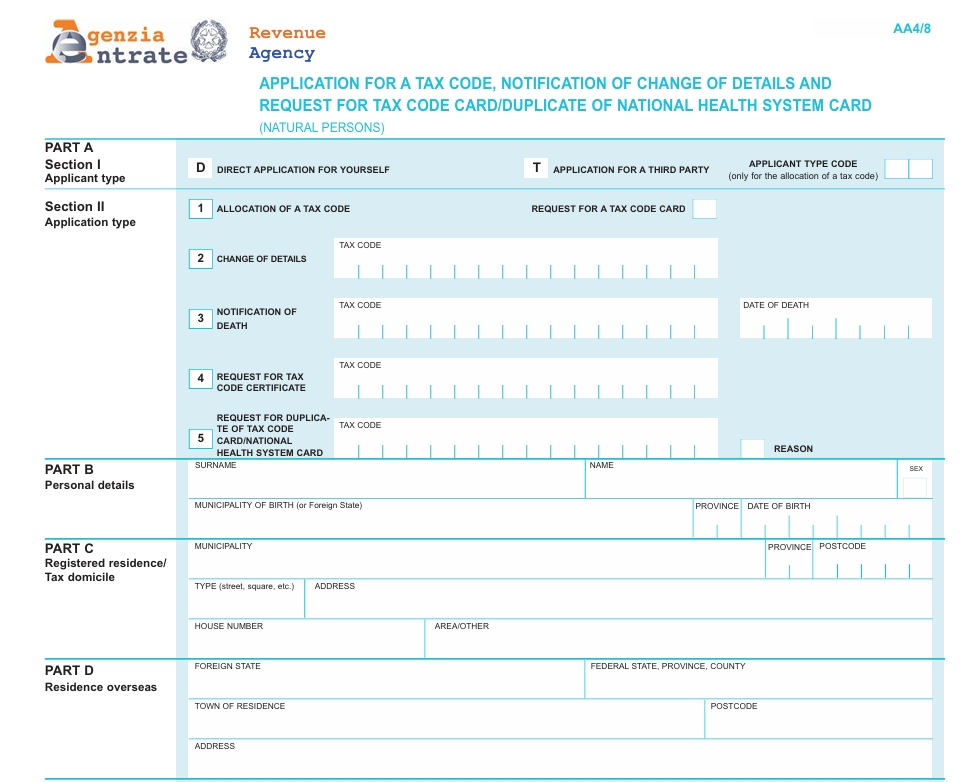
    Here’s a sample of what the form looks like and here’s a link to the form online. Only Italian citizens can apply for one online, but non-Italians can download the form.

    Also, once you receive your codice fiscale, it’s valid for life and you’ll never have to renew it or reapply.

  • I remember when I first started researching buying a place in Italy and it seemed like there were so many pieces to figure out and put together … and it all felt pretty daunting and overwhelming. I had no idea where to even start.

    I’d been to Italy six or seven times and nannied in Sicily for half a year after graduating from university in the 90s but my geography knowledge was basic, and I’d honestly never even heard of half of the regions! So, learning about the different regions and wading through all the incredible choices of homes in each to try to decide where to buy was pretty unexpected. I just assumed I’d buy somewhere in Sicily because it was the place I was most familiar with.

    And I didn’t even want to think about trying to figure out visas, taxes, healthcare and dealing with realtors, notaries, geometras, etc. I just wanted to do the fun part of looking for a house!

    So where do you even begin? In hindsight, this is how I’d go about it:

    >>> First, while you’re doing everything necessary to find and buy a home and make a move to Italy, one of the best things you can do is to learn as much Italian as possible. Please don’t procrastinate this! Download an app you like – free or paid, find some YouTube channels, websites, books or podcasts, take a class, get a private tutor – or whatever works for you and study for at least an hour every day. As in, like, every single day.

    Please don’t tell yourself you’ll start next week or will sign up for a class next fall or make this a priority once you have other things out of the way. Make the most of this time because you’ll never get it back and when you eventually buy somewhere, you’ll be so grateful you did!

    You won’t need Italian to buy a house, but you will need it to communicate in Italy, especially with your new neighbors and in local shops and restaurants. Even if you think you’re hopeless at languages, you WILL make progress if you study consistently every day. And the more Italian you know, the more fun the whole experience is going to be!

    >>> The next most important thing is to decide what you want to do about your residency.

    This will determine what your tax rate you’ll pay on the purchase of your home and possibly what income taxes you’ll need to pay. Your annual property taxes (IMU) will be the same whether you’re a full-time resident or not but if you’re not living in Italy full time, you’ll eventually need to make a plan for paying this in your absence.

    It will also help you navigate which visa you’ll need or if you can just live in Italy part-time on a tourist visa (like me.) Many people automatically assume they’ll need an ERV or Remote Worker Visa when they can easily make the 90/180 work without having to go through the visa process at all. (More on this topic in a future insight.)

    If you do want a visa to reside year-round, do you want to use a law firm or assistance service? This could save you quite a bit of time and hassle which could otherwise be put toward finding and buying your house.

    You also might be eligible for a non-repayable (free!) grant in certain areas of Italy for the purchase and restoration of your home if you plan to become a resident and live there full-time.

    In Sardinia, for example, there are hundreds of villages with populations under 3,000 that offer grants of €15,000. Ours does but since we aren’t planning to reside there full time, we can’t apply for one. You can easily find out about these in whichever area you’re interested in by doing a Google search.

    Other important considerations related to residency are if you can bring or buy a vehicle and if you can drive on your home country’s license of if you’ll need to get an Italian driver’s license.

    >>> Then you should start researching the buying process as much as humanly possible. Consume articles, webinars, blogs, videos, etc. until you feel confident about moving forward. There is no shortage of information out there and a simple Google search will start you down this rabbit hole.

    If you feel like a relocation service or bilingual law firm specializing in real estate might be beneficial, book an initial consultation (this may cost +/-€100 an hour.)

    Please don’t expect realtors to explain everything to you, especially on initial contact. Most are looking for qualified, ready buyers to sell something to – who at least have a basic knowledge of how things work. If you’re not receiving replies from realtors, it might be because you’re doing this. I think of it similar to going to an automobile dealership to buy a car and asking the salesperson to teach you how to drive.

    But having said that, once you get to the serious/make an offer stage, a good realtor should take the time to walk you through the process, timeline and what to expect. 

    There are also lots of Facebook groups and forums where you can learn from other people’s personal experiences but please do not listen to the Negative Nellies! So much of the chatter on these sites can be hearsay or like bad camping stories.
    >>> As soon as you know you’re serious about buying a property and are in a position to start inquiring and even making an offer, it’s a good idea to get your Codice Fiscale, or Italian Tax Code Number. One very easy option is to pay a service to get this for you instead of trying to do it yourself. (More about this in an upcoming insight.)

    >>>Defining your search criteria is also an important starting point, possibly before even deciding on which region you want to focus on. One strategy is to fine tune this by visualizing what your lifestyle and potential day-to-day activities is going to look like.

    Do you want to be able to walk to markets, cafes, restaurants often or live more remotely and have more privacy? Do you want to be able to easily visit galleries, museums, beaches etc. in a day or have these be mini getaways/overnight stays?

    Three of the most common things people say they’re looking for in a house are the number of bedrooms, distance from an airport and distance from a train station or reliable public transportation.

    When thinking about the number of bedrooms … who is going to be staying regularly? Who needs a private bedroom and who can stay on a pull-out sofa or in a mezzanine for occasional visits? Can occasional guests stay in a nearby hotel or rental?

    When considering thedistance from an airport … how often are you really going to be using to the airport – once a month or once or twice a year? Unless you buy in or near a major city, most airport runs are most likely going to involve a long trek or even an overnight stay when you take into consideration early morning or late evening flight times, baggage claim, rental car pick-up, etc. Also, make sure there are international flights year-round to the airport you choose, otherwise you’ll still need to connect through Rome/Milan/Naples/Palermo, etc.

    By needing to be near a train station, you’ll eliminate a lot of small village possibilities. So, how often will you be exploring other parts of Italy or Europe? If not often, can you rely on local busses to get around and/or taxis to get to the station when you do need to take the train?
    My advice is to be open to unexpected possibilities regarding those three factors. More importantly, ask yourself: What are your must haves? What are you willing to compromise on?
    What type of character features do you absolutely love – exposed stone, wood beam ceilings, high ceilings, loggias, fireplaces, cobblestone streets or alleyways? Do you need a creative or workspace? Do you need a garage (which are not as common in Italy as in some countries?)

    If you want a house with a view, what type – village rooftops, historical architecture, rolling hills, majestic mountains, the sea?

    What kind of outdoor space is important to you – a garden, an al fresco dining area, a quaint courtyard, overlooking a town piazza, a big roof terrace, balconies, land? Maybe even quite a bit of land with an olive grove, a vineyard or fruit trees?

    And of course, what’s your preferred condition? Are you open do doing some minor repairs or do you want to bring your suitcases and start living the dream? Would you like a furnished house or ae you itching to hit the antique markets and start furnishing it yourself? Would you like to be able to decorate or re-decorate or even finish a cellar or attic to create some additional living space? Do you love the thought of transforming a project property into your dream home?

    >>> When researching and deciding on a location – be open minded! Don’t only limit yourself to the well-known or popular places. If you think you might want to live in Tuscany or Umbria maybe also check out Emilia-Romagna, Abruzzo, Marche, Campania and Lazio, for example. If you want to be near beaches and are thinking about Puglia. Liguria or Sicily, remember Calabria, Campania, Basilicata and Sardinia also have some stunning beaches! Also, remember that some of the best, most authentic places might be the hardest to find any information about.

    >>> And of course, the funnest part is searching for and finding your dream home! I find the biggest challenge here is that there are actually too many amazing places, not too few, even in the <150k price range! So, instead of going it alone, maybe get on every mailing list – both free and paid – that you can. Also join any Facebook groups that you like and let realtors know what you’re looking for. Many will set up your criteria and sent you automated emails of their new listings.

    On idealista.it (which is what I use almost exclusively) be sure to save favorites and even put them in categories/folders. Then if there’s a price reduction or more photos or videos added, you’ll be sent a notification.

    I’m a pretty big believer that the house chooses you as much as you choose the house.

    Also, allow for some spontaneity and don’t overthink every single thing. Many things will just fall into place when they’re supposed to, and other things can just be dealt with as they happen.

    I talked to someone a few years ago who was figuring out how they would find local repairmen before they’d even found a house or had any repairs to do. And I remember us being concerned about how we would pick friends and family up from the airport – before we even knew which area we’d be buying in. These are both really good examples of getting the cart before the horse.

    So, those are my suggestions of where to start. Of course, there are lots of other ways to do things.

    I’ll definitely be going into more detail about some of these topics in future insights.

    Next insight: BITE SIZE ACTION PLAN: Useful Things You Can Do to Get Ready for When You’re Ready.


  • Here’s an interesting opportunity and it’s not buying a €1 house! This village in Sardinia is looking for remote workers to live in their village while paying just €1 rent a month. I’m not sure how competitive it is but this would be a wonderful chance to test the waters of living in a rural village and also look around at houses for sale that definitely aren’t going be on the open market.

    The village of Ollolai is seeking successful professionals who are eager to contribute to the community by sharing their knowledge through presentations, classes, or projects related to their respective fields, careers, or experiences. In exchange for this valuable contribution, you’ll enjoy an almost free stay in the village! 
     
    During your stay, you’ll have the opportunity to immerse yourself in the lifestyle and culture of the Blue Zone, one of the five areas on the planet with a high concentration of individuals living beyond 100 years old. You’ll also experience close proximity to untouched nature, savor delectable cuisine, and explore the incredible nearby beaches.

  • Ciao e Benvenuti to this new ‘side space’ for Live Your Dream Italy and Italian Homes <€150k. This is where I’ll be sharing random insights, inspiration, motivation, connections, challenges, etc.

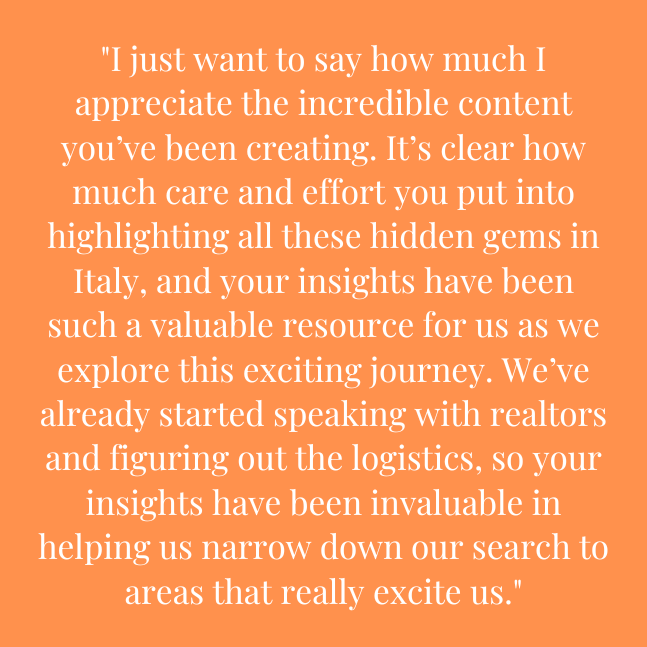
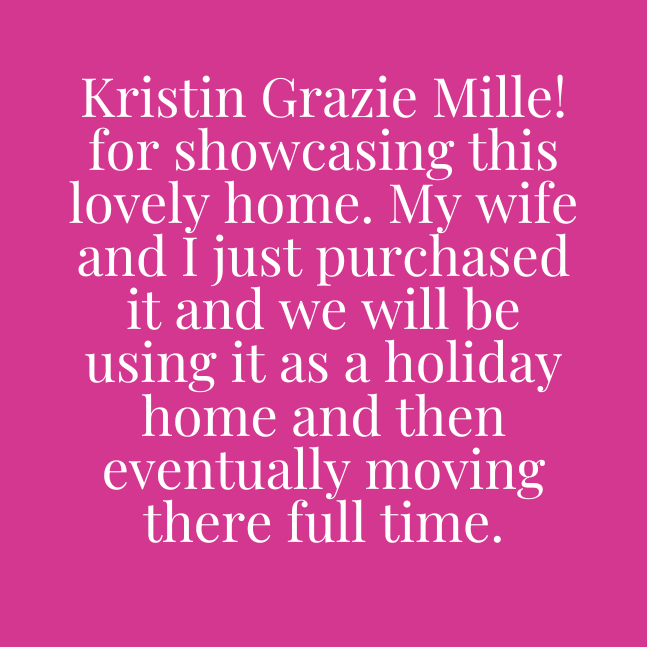
    To kick things off, here are some messages which were sent from members (unsolicited) over the past year. They’re so sweet and encouraging.

    I really can’t thank everyone enough for not only supporting this project but for also being so incredibly positive and enthusiastic. It has been and continues to be so much fun. I look forward to putting the collections together every week and hopefully hearing from more members that they bought a place in Italy and are now living the dream.

    New members are always welcome? More info at: – Live Your Dream Italy / Italian Homes Under 150k