I remember when I first started researching buying a place in Italy and it seemed like there were so many pieces to figure out and put together … and it all felt pretty daunting and overwhelming. I had no idea where to even start.
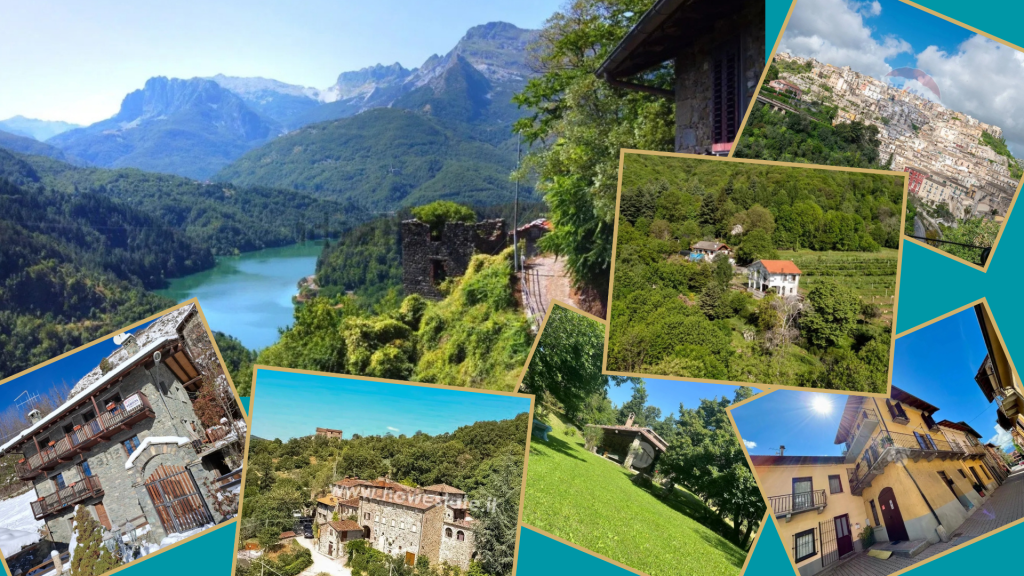
I’d been to Italy six or seven times and nannied in Sicily for half a year after graduating from university in the 90s but my geography knowledge was basic, and I’d honestly never even heard of half of the regions! So, learning about the different regions and wading through all the incredible choices of homes in each to try to decide where to buy was pretty unexpected. I just assumed I’d buy somewhere in Sicily because it was the place I was most familiar with.
And I didn’t even want to think about trying to figure out visas, taxes, healthcare and dealing with realtors, notaries, geometras, etc. I just wanted to do the fun part of looking for a house!
So where do you even begin? In hindsight, this is how I’d go about it:
>>> First, while you’re doing everything necessary to find and buy a home and make a move to Italy, one of the best things you can do is to learn as much Italian as possible. Please don’t procrastinate this! Download an app you like – free or paid, find some YouTube channels, websites, books or podcasts, take a class, get a private tutor – or whatever works for you and study for at least an hour every day. As in, like, every single day.
Please don’t tell yourself you’ll start next week or will sign up for a class next fall or make this a priority once you have other things out of the way. Make the most of this time because you’ll never get it back and when you eventually buy somewhere, you’ll be so grateful you did!
You won’t need Italian to buy a house, but you will need it to communicate in Italy, especially with your new neighbors and in local shops and restaurants. Even if you think you’re hopeless at languages, you WILL make progress if you study consistently every day. And the more Italian you know, the more fun the whole experience is going to be!
>>> The next most important thing is to decide what you want to do about your residency.
This will determine what your tax rate you’ll pay on the purchase of your home and possibly what income taxes you’ll need to pay. Your annual property taxes (IMU) will be the same whether you’re a full-time resident or not but if you’re not living in Italy full time, you’ll eventually need to make a plan for paying this in your absence.
It will also help you navigate which visa you’ll need or if you can just live in Italy part-time on a tourist visa (like me.) Many people automatically assume they’ll need an ERV or Remote Worker Visa when they can easily make the 90/180 work without having to go through the visa process at all. (More on this topic in a future insight.)
If you do want a visa to reside year-round, do you want to use a law firm or assistance service? This could save you quite a bit of time and hassle which could otherwise be put toward finding and buying your house.
You also might be eligible for a non-repayable (free!) grant in certain areas of Italy for the purchase and restoration of your home if you plan to become a resident and live there full-time.
In Sardinia, for example, there are hundreds of villages with populations under 3,000 that offer grants of €15,000. Ours does but since we aren’t planning to reside there full time, we can’t apply for one. You can easily find out about these in whichever area you’re interested in by doing a Google search.
Other important considerations related to residency are if you can bring or buy a vehicle and if you can drive on your home country’s license of if you’ll need to get an Italian driver’s license.
>>> Then you should start researching the buying process as much as humanly possible. Consume articles, webinars, blogs, videos, etc. until you feel confident about moving forward. There is no shortage of information out there and a simple Google search will start you down this rabbit hole.
If you feel like a relocation service or bilingual law firm specializing in real estate might be beneficial, book an initial consultation (this may cost +/-€100 an hour.)
Please don’t expect realtors to explain everything to you, especially on initial contact. Most are looking for qualified, ready buyers to sell something to – who at least have a basic knowledge of how things work. If you’re not receiving replies from realtors, it might be because you’re doing this. I think of it similar to going to an automobile dealership to buy a car and asking the salesperson to teach you how to drive.
But having said that, once you get to the serious/make an offer stage, a good realtor should take the time to walk you through the process, timeline and what to expect.
There are also lots of Facebook groups and forums where you can learn from other people’s personal experiences but please do not listen to the Negative Nellies! So much of the chatter on these sites can be hearsay or like bad camping stories.
>>> As soon as you know you’re serious about buying a property and are in a position to start inquiring and even making an offer, it’s a good idea to get your Codice Fiscale, or Italian Tax Code Number. One very easy option is to pay a service to get this for you instead of trying to do it yourself. (More about this in an upcoming insight.)
>>>Defining your search criteria is also an important starting point, possibly before even deciding on which region you want to focus on. One strategy is to fine tune this by visualizing what your lifestyle and potential day-to-day activities is going to look like.
Do you want to be able to walk to markets, cafes, restaurants often or live more remotely and have more privacy? Do you want to be able to easily visit galleries, museums, beaches etc. in a day or have these be mini getaways/overnight stays?
Three of the most common things people say they’re looking for in a house are the number of bedrooms, distance from an airport and distance from a train station or reliable public transportation.
When thinking about the number of bedrooms … who is going to be staying regularly? Who needs a private bedroom and who can stay on a pull-out sofa or in a mezzanine for occasional visits? Can occasional guests stay in a nearby hotel or rental?
When considering thedistance from an airport … how often are you really going to be using to the airport – once a month or once or twice a year? Unless you buy in or near a major city, most airport runs are most likely going to involve a long trek or even an overnight stay when you take into consideration early morning or late evening flight times, baggage claim, rental car pick-up, etc. Also, make sure there are international flights year-round to the airport you choose, otherwise you’ll still need to connect through Rome/Milan/Naples/Palermo, etc.
By needing to be near a train station, you’ll eliminate a lot of small village possibilities. So, how often will you be exploring other parts of Italy or Europe? If not often, can you rely on local busses to get around and/or taxis to get to the station when you do need to take the train?
My advice is to be open to unexpected possibilities regarding those three factors. More importantly, ask yourself: What are your must haves? What are you willing to compromise on?
What type of character features do you absolutely love – exposed stone, wood beam ceilings, high ceilings, loggias, fireplaces, cobblestone streets or alleyways? Do you need a creative or workspace? Do you need a garage (which are not as common in Italy as in some countries?)
If you want a house with a view, what type – village rooftops, historical architecture, rolling hills, majestic mountains, the sea?
What kind of outdoor space is important to you – a garden, an al fresco dining area, a quaint courtyard, overlooking a town piazza, a big roof terrace, balconies, land? Maybe even quite a bit of land with an olive grove, a vineyard or fruit trees?
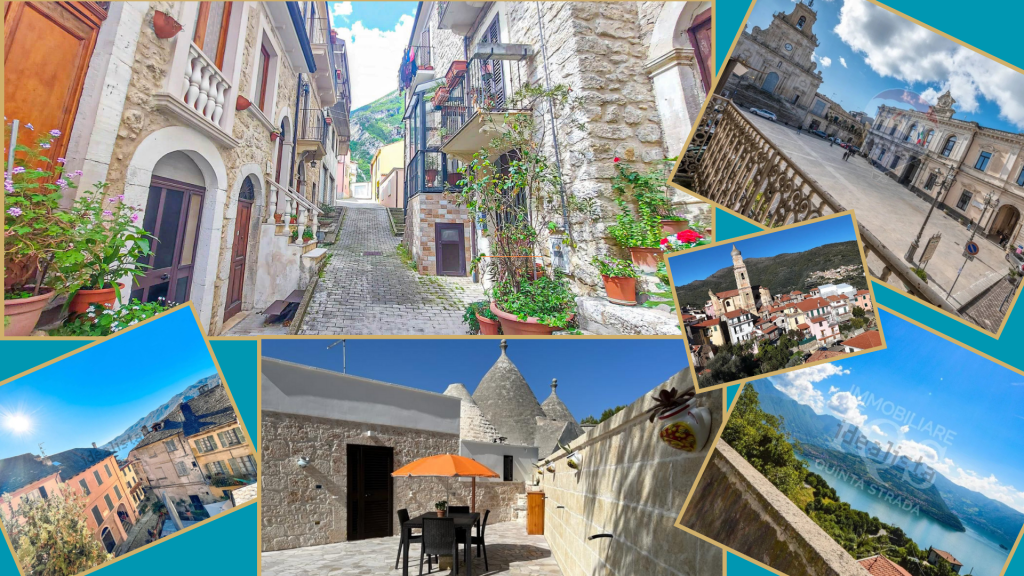
And of course, what’s your preferred condition? Are you open do doing some minor repairs or do you want to bring your suitcases and start living the dream? Would you like a furnished house or ae you itching to hit the antique markets and start furnishing it yourself? Would you like to be able to decorate or re-decorate or even finish a cellar or attic to create some additional living space? Do you love the thought of transforming a project property into your dream home?
>>> When researching and deciding on a location – be open minded! Don’t only limit yourself to the well-known or popular places. If you think you might want to live in Tuscany or Umbria maybe also check out Emilia-Romagna, Abruzzo, Marche, Campania and Lazio, for example. If you want to be near beaches and are thinking about Puglia. Liguria or Sicily, remember Calabria, Campania, Basilicata and Sardinia also have some stunning beaches! Also, remember that some of the best, most authentic places might be the hardest to find any information about.
>>> And of course, the funnest part is searching for and finding your dream home! I find the biggest challenge here is that there are actually too many amazing places, not too few, even in the <150k price range! So, instead of going it alone, maybe get on every mailing list – both free and paid – that you can. Also join any Facebook groups that you like and let realtors know what you’re looking for. Many will set up your criteria and sent you automated emails of their new listings.
On idealista.it (which is what I use almost exclusively) be sure to save favorites and even put them in categories/folders. Then if there’s a price reduction or more photos or videos added, you’ll be sent a notification.
I’m a pretty big believer that the house chooses you as much as you choose the house.
Also, allow for some spontaneity and don’t overthink every single thing. Many things will just fall into place when they’re supposed to, and other things can just be dealt with as they happen.
I talked to someone a few years ago who was figuring out how they would find local repairmen before they’d even found a house or had any repairs to do. And I remember us being concerned about how we would pick friends and family up from the airport – before we even knew which area we’d be buying in. These are both really good examples of getting the cart before the horse.
So, those are my suggestions of where to start. Of course, there are lots of other ways to do things.
I’ll definitely be going into more detail about some of these topics in future insights.
Next insight: BITE SIZE ACTION PLAN: Useful Things You Can Do to Get Ready for When You’re Ready.
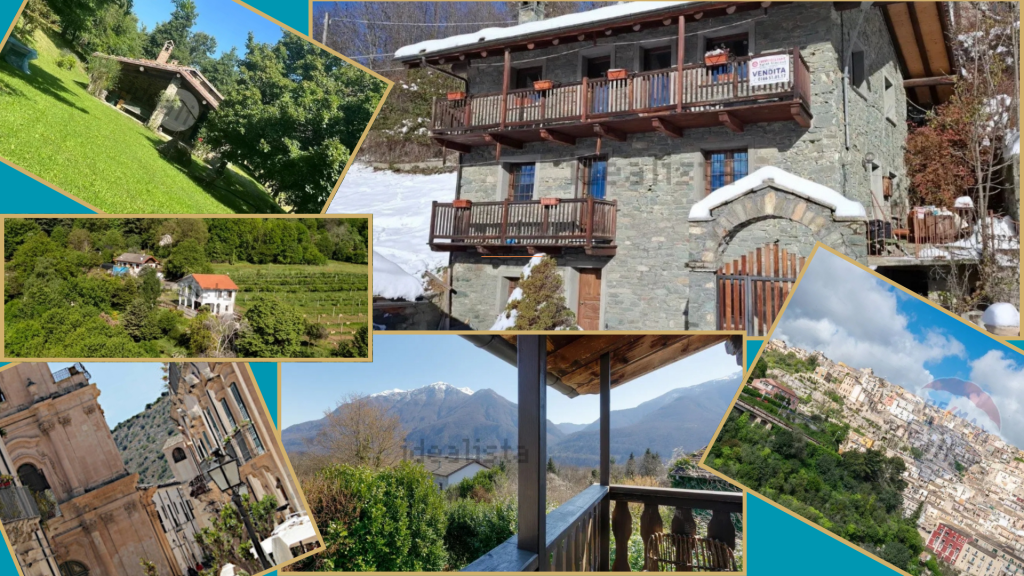
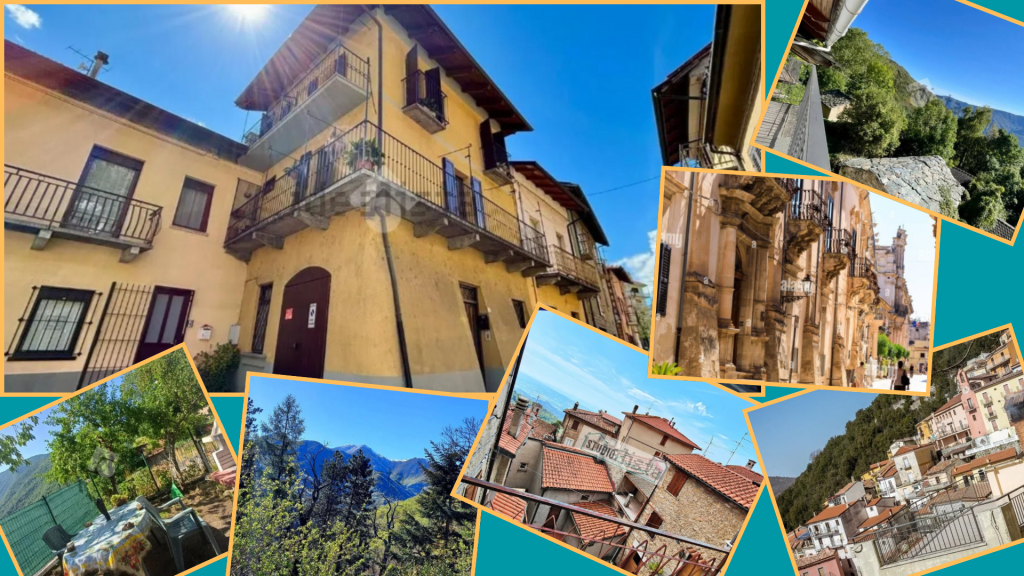
 Italian Homes Under 150k